Putin’s G20 Invitation Puts Ukraine Talks, Sanctions and Markets in Focus
Germany says a ceasefire would be the clearest signal of Moscow’s readiness to negotiate, as households and investors watch geopolitical risk.
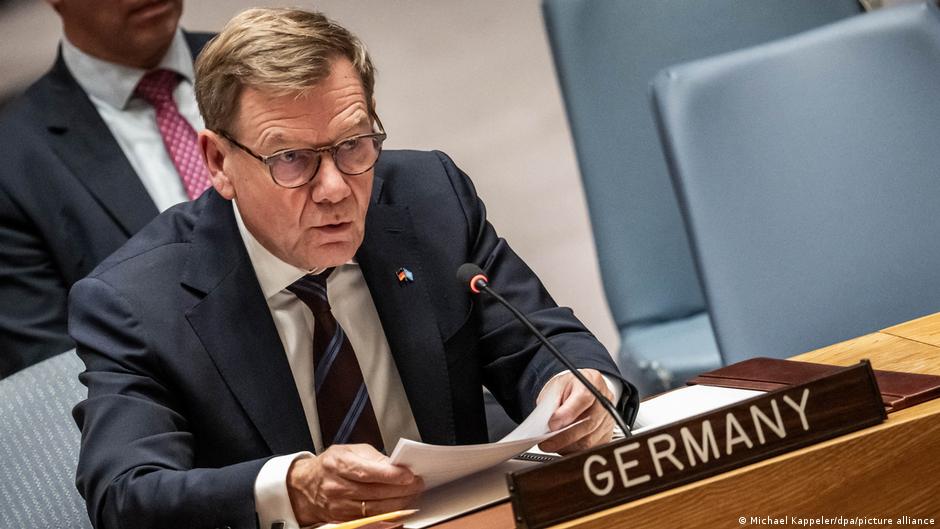
A possible appearance by Russian President Vladimir Putin at the December G20 summit in Miami is emerging as a test of whether the Kremlin is prepared to enter serious negotiations to end the war in Ukraine, German Foreign Minister Johann Wadephul said on Friday, September 25.
Speaking in Ottawa during a meeting with Canadian Foreign Minister Anita Anand, Wadephul described the U.S. invitation to Putin as a “litmus test” for Moscow. He said Germany and other Western allies of Ukraine have repeatedly called on Russian authorities, and Putin personally, to come to the negotiating table. In Wadephul’s view, the signal that would matter most is not attendance at a summit, but a ceasefire in Ukraine.
For households and everyday investors, the diplomatic dispute is not just a question of protocol. The war in Ukraine has remained a source of pressure across energy markets, defense spending, sanctions policy, currency sentiment and inflation expectations. Any sign of a credible ceasefire process could affect the way consumers, savers and investors judge risk in the months ahead, even if the path to negotiations remains highly uncertain.
Why the G20 question matters beyond diplomacy
The immediate issue is whether Putin should be allowed to attend a summit hosted by the United States while Russian forces continue military operations in Ukraine. Wadephul was asked whether countries should boycott the G20 if Putin continues the fighting. He said Russia’s participation remains “very hypothetical” and urged governments to wait for developments in the coming weeks.
He nevertheless stressed that Moscow should move toward talks quickly.
“Russia must negotiate, the sooner the better,” Wadephul said.
Anand also said Putin’s potential attendance would not be grounds for a boycott. She framed the issue as a test of diplomatic endurance rather than a reason to leave the room.
“Diplomacy means that we must remain at the negotiating table and have difficult conversations,” Anand said.
For consumers, the stakes are indirect but familiar. Geopolitical shocks have repeatedly fed into household budgets through fuel prices, food costs, utility bills and borrowing conditions. While one summit invitation does not change grocery receipts or mortgage rates by itself, investors often price geopolitical risk quickly. If the possibility of talks appears more realistic, risk premiums in some markets can ease. If tensions rise, the opposite can happen.
That is why the ceasefire question is central. Wadephul’s comments suggest Western governments are looking for a measurable change on the ground before treating any G20 appearance as evidence of a meaningful negotiating process. For families managing budgets, that distinction matters: diplomatic theater rarely lowers costs, while an actual reduction in hostilities could eventually influence commodity markets, fiscal pressures and confidence.
Sanctions and investor risk
U.S. Secretary of State Marco Rubio earlier said the Kremlin leader had been invited to the G20 summit, which is scheduled to take place in December in Miami. Rubio said such a visit would give Putin an opportunity to hold talks with U.S. President Donald Trump and other heads of state and government. The Kremlin has not yet decided how to respond to the invitation.
The invitation has drawn pushback in Washington. According to The Washington Post, a bipartisan group of 14 U.S. senators has urged Trump to withdraw it. In their appeal to the White House, Republican and Democratic senators argued that Putin bears sole responsibility for Russia’s full-scale war of aggression against Ukraine. They said allowing him to participate in a G20 summit in the United States raises serious concerns about legitimizing and normalizing authorities that continue daily strikes on civilian targets in Ukraine.
The senators also pointed out that Vladimir Putin and other members of the Russian delegation are under U.S. sanctions for actions Washington considers a threat to national security. They argued that if Putin is not isolated from the international community, he will have less motivation to stop the war in Ukraine.
That sanctions issue is important for markets as well as politics. Sanctions shape trade flows, investment restrictions, banking relationships and corporate risk calculations. For ordinary investors, the result can show up in portfolio volatility, exposure to European assets, defense-sector valuations, energy holdings and currency movements. Even people who do not own individual stocks may be exposed through retirement funds, pension plans or broad index investments.
Currency markets may also react to signs of either de-escalation or renewed confrontation. The war has influenced sentiment around the euro, energy-importing economies and safe-haven assets. Households planning travel, sending money abroad or holding foreign-currency investments could feel the effects of any sustained shift in exchange rates, even if those effects arrive gradually.
What consumers should watch next
The most important near-term question is whether Russia signals readiness for substantive negotiations by accepting a ceasefire in Ukraine. Wadephul made clear that this, rather than attendance at the G20 itself, would be the meaningful indicator. The second question is whether the Kremlin accepts the invitation at all. The third is whether U.S. political pressure grows strong enough to change the White House’s position before the December summit.
For household budgets, the practical takeaway is caution rather than prediction. A diplomatic opening could reduce some geopolitical uncertainty, but the source article does not indicate that any ceasefire has been agreed, that Russia has accepted the invitation, or that Western sanctions policy is changing. Consumers should therefore avoid assuming that lower energy prices, calmer markets or stronger currencies will automatically follow from summit speculation.
Everyday investors may want to watch how markets respond to concrete developments rather than headlines alone. A ceasefire announcement, a confirmed Putin visit, a withdrawn invitation, or new sanctions language would each carry different implications. Until then, the G20 dispute remains a political signal with potential financial consequences, but not yet a change in the underlying economic facts facing households.