Russia-Taliban Military Cooperation Raises Concerns for Global Security and Economic Stability
The recent military-technical agreement between Russia and the Taliban may impact global arms flow and influence economic conditions affecting households and investors.
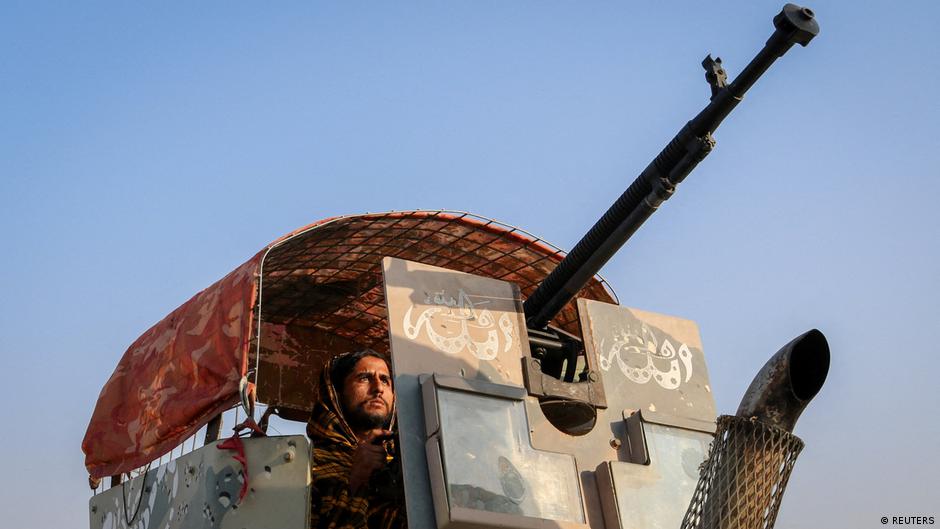
Russia has signed a military-technical cooperation agreement with the Taliban, the radical Islamist group currently ruling Afghanistan. This development, formalized at the International Security Forum in the Moscow region, carries significant implications beyond geopolitics, potentially affecting global arms markets and economic stability impacting household budgets and investors worldwide.
Details and Potential Economic Implications
The specifics of the agreement remain undisclosed, but such accords typically involve the exchange of weapons, licenses, military technologies, and joint development projects. While some analysts describe the pact as largely symbolic without immediate operational collaboration, the possibility of Russian weaponry and technology transferring to the Taliban could alter regional security dynamics and international arms trade flows.
"The agreement might open channels for Islamist militants to obtain advanced Russian military technology, influencing security and economic landscapes far beyond Afghanistan," experts warn.
For households and consumers, the ramifications may seem distant but are tangible. Increased regional instability often leads to fluctuations in global commodity prices, including energy and raw materials. Such volatility can inflate household expenses, from heating costs to food prices, squeezing family budgets. Investors, particularly those with exposure to emerging markets or defense sectors, may also face heightened risks due to geopolitical uncertainty.
Moreover, the agreement comes at a time when Western nations are being urged to unfreeze Afghan assets and finance the country's reconstruction. Russia's position could complicate international financial flows, affecting currency stability in the region and potentially contributing to broader financial market unpredictability.
Broader Context and Consumer Impact
The Taliban regained control over Afghanistan in 2021 after the U.S. military withdrawal. Since then, Russia has shifted its stance, with President Vladimir Putin calling the Taliban allies in the fight against terrorism in 2024 and officially removing the group from its list of terrorist organizations in 2025. This evolving relationship may influence global perceptions and regulatory environments affecting trade and investment.
For everyday investors, the deal signals a potential shift in defense industry dynamics and international relations that may affect asset valuations and currency movements. Households might experience indirect effects through inflationary pressures stemming from geopolitical tensions.
In conclusion, while the military cooperation agreement between Russia and the Taliban might appear primarily a political maneuver, its repercussions could ripple through the global economy. Consumers and investors alike should remain attuned to how such geopolitical shifts can influence market stability, currency valuations, and ultimately, personal finances.