Russian Regions Restore Gasoline Rationing as Supply Strains Return
Kaluga and Zabaykalsky are limiting fuel sales again, adding fresh pressure on drivers, household budgets and local price expectations.
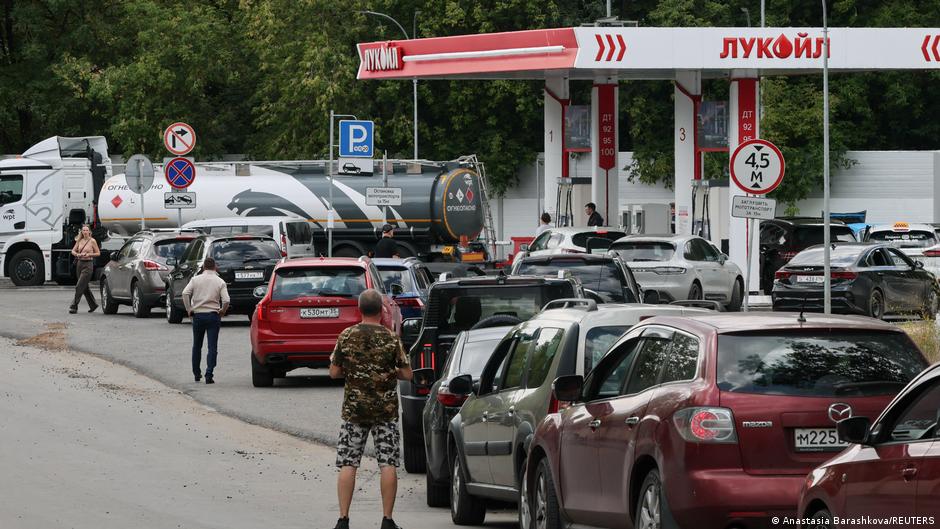
Two Russian regions have restored restrictions on gasoline sales after renewed supply problems, a move that is likely to be felt first by households that rely on cars for commuting, school runs and local business. Authorities in Kaluga region and officials in Zabaykalsky Krai said the limits would take effect from September 23, after fuel deliveries to filling stations again became uneven.
In Kaluga, a region bordering Moscow and the Moscow region, Governor Vladislav Shapsha said on Tuesday, September 22, that drivers would once again be allowed to refuel only on alternating days, depending on whether the first digit of a vehicle's registration number is even or odd. The rules also state that gasoline may be dispensed only directly into the vehicle's fuel tank, restricting the ability of motorists to fill separate containers.
"We are now recording local logistics disruptions in fuel supplies to individual filling stations. Queues have returned. This is causing justified dissatisfaction," Shapsha wrote on Telegram.
For consumers, the return of lines at gas stations is more than an inconvenience. Rationing affects when households can travel, how they plan work shifts, and whether they need to keep more cash on hand for fuel. In regions where public transportation options are limited, even short-term restrictions can quickly become a budgeting issue, especially for families already balancing food, utilities and loan payments.
Limits Return After Earlier Easing
Kaluga had already imposed an even-odd gasoline sales regime on August 15. Those restrictions were lifted on September 1, making the latest announcement a rapid reversal. The renewed limits come as Ukrainian strikes on Russian oil refineries have intensified, according to the regional authorities' explanation cited in the source article.
Zabaykalsky Krai, in Russia's Far East, is also bringing back controls. The regional operations headquarters said that from September 23, the BRK and Kors filling-station networks would set a limit of 15 liters of AI-92 or AI-95 gasoline per vehicle. First Deputy Prime Minister of the regional government Buyanto Batomunkuyev said the restrictions were linked to fuel stocks: total remaining supplies at filling stations and oil depots amounted to 17,000 tons, which he said would last only 20 days at the current rate of distribution.
Similar limits had been introduced in Zabaykalsky Krai in June and were lifted on July 23. Their return suggests that the fuel market has not stabilized evenly across the country, despite earlier efforts to unwind emergency measures.
For household budgets, a 15-liter ceiling changes the economics of ordinary mobility. Drivers may have to make more frequent trips to filling stations, spend extra time in queues, or postpone nonessential travel. Small businesses that depend on cars and vans can face higher operating friction even if official pump prices do not immediately surge. Delivery drivers, tradespeople and rural households are especially exposed because their fuel needs are less flexible.
Why Fuel Shortages Matter for Savings and Prices
The immediate problem is physical access to gasoline, but the personal finance implications can spread. When fuel becomes harder to buy, households tend to adjust behavior quickly: they consolidate trips, delay travel, or shift spending from discretionary items toward transport. That can hit local retailers and service providers, particularly in smaller towns where consumer activity depends on car access.
Fuel shortages can also influence expectations. Even without a new official price figure in the source article, queues and rationing may encourage households to anticipate higher costs, bringing forward purchases where possible. The Kaluga rule allowing gasoline only into a vehicle's tank appears designed in part to prevent hoarding in canisters, which can worsen shortages and make supply problems harder to manage.
For everyday investors and savers, the renewed restrictions are another signal that Russia's energy infrastructure and domestic fuel market remain under pressure. Fuel availability affects transport costs, agricultural logistics, retail distribution and regional business margins. Investors watching Russian consumer sectors, transport companies or inflation trends may see these regional limits as evidence that refinery disruptions can feed into the broader economy even when crude oil remains a major national export.
The article links the shortages to drone attacks on Russian refineries by Ukraine, which has been defending itself for more than four years against Russia's military invasion. Strikes and fires at refineries forced some facilities to reduce production or halt it entirely. Restrictions were later canceled, but since early August Ukrainian attacks on refineries have intensified again, and Russia has entered what the source describes as a second wave of the fuel crisis.
Fuel sale restrictions, imposed either by regional authorities or by filling-station chains themselves, were introduced this summer in almost all Russian regions, as well as in annexed Crimea. The scale of the disruption led Russian President Vladimir Putin on June 28 to order systemic measures to stabilize the market.
By mid-September, the gasoline deficit in Russia had worsened. According to Novaya Gazeta Europe, citing data from the gdebenzin service, fuel was unavailable at nearly every second filling station. That detail is particularly important for consumers because it shows the problem is not limited to headline policy decisions; availability at the pump has become inconsistent enough to shape everyday financial planning.
For now, the new measures in Kaluga and Zabaykalsky Krai point to a practical reality for drivers: access to gasoline may depend not only on price, but on timing, registration rules and regional stock levels. For households, that means transportation has become less predictable. For savers and small investors, it is another reminder that infrastructure shocks can move quickly from geopolitics into family budgets.



