US Considers Allowing Saudi Arabia to Enrich Uranium, Raising Economic and Financial Concerns
Potential nuclear cooperation between the US and Saudi Arabia could impact global markets, currencies, and household finances.
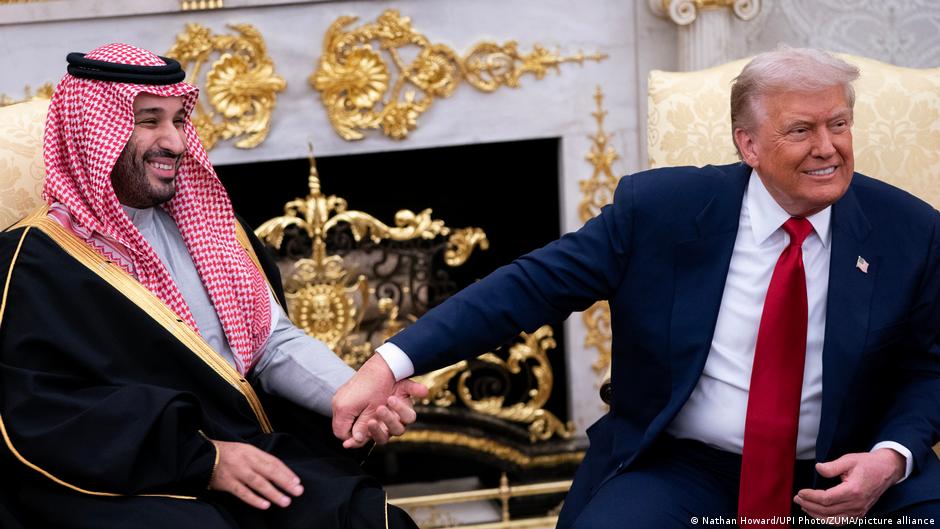
The Trump administration has tentatively agreed to permit Saudi Arabia to enrich uranium without stringent International Atomic Energy Agency (IAEA) safeguards, according to reports. This move could have multifaceted consequences not only for geopolitics but also for household budgets, currency stability, and everyday investors worldwide.
Implications for Consumer Finance and Markets
The proposed bilateral agreement between Washington and Riyadh aims to support Saudi Arabia’s development of civilian nuclear energy. However, it notably omits requirements for Saudi adherence to the IAEA’s Additional Protocol, which empowers inspectors to conduct enhanced verification of undeclared nuclear sites. Experts warn this loophole may facilitate Riyadh's potential path to nuclear weapons capability.
“The absence of robust safeguards could introduce geopolitical uncertainties that ripple into global energy prices, currency fluctuations, and market volatility,” analysts suggest.
For average consumers, such geopolitical shifts often translate into changes in household expenses. An escalation in Middle East tensions tends to drive up global oil prices, increasing costs for gasoline, heating, and transportation. These higher living expenses can erode savings and reduce discretionary spending, affecting overall economic well-being.
Currency markets are also sensitive to developments in US-Saudi relations and nuclear negotiations. The Saudi riyal is pegged to the US dollar, but instability could pressure the dollar itself, impacting exchange rates globally. This affects everyday investors and expatriates who rely on currency stability for remittances and investment returns.
Moreover, the uncertainty around nuclear proliferation in the region may cause volatility in energy stocks and commodities. Investors with exposure to these sectors could see heightened risk, prompting a reassessment of portfolios. Financial advisors might recommend diversifying assets to mitigate the potential fallout from geopolitical tensions.
Saudi Crown Prince Mohammed bin Salman previously stated that Saudi Arabia would seek nuclear weapons if Iran developed them, underscoring the regional arms race risks. The timing of the agreement’s signing has been delayed amid the US and Israel's military actions against Iran, adding to the unpredictability.
Overall, while the agreement centers on nuclear cooperation, its ripple effects extend deeply into global financial markets and everyday economic realities. Households should stay informed about these developments, as they may influence inflation rates, currency values, and investment landscapes in the coming years.