Impact of Recent Missile Strikes on Kyiv Raises Concerns for Household Budgets and Consumer Stability
The latest missile attacks on Kyiv have caused property damage and casualties, potentially affecting everyday finances and local economies.
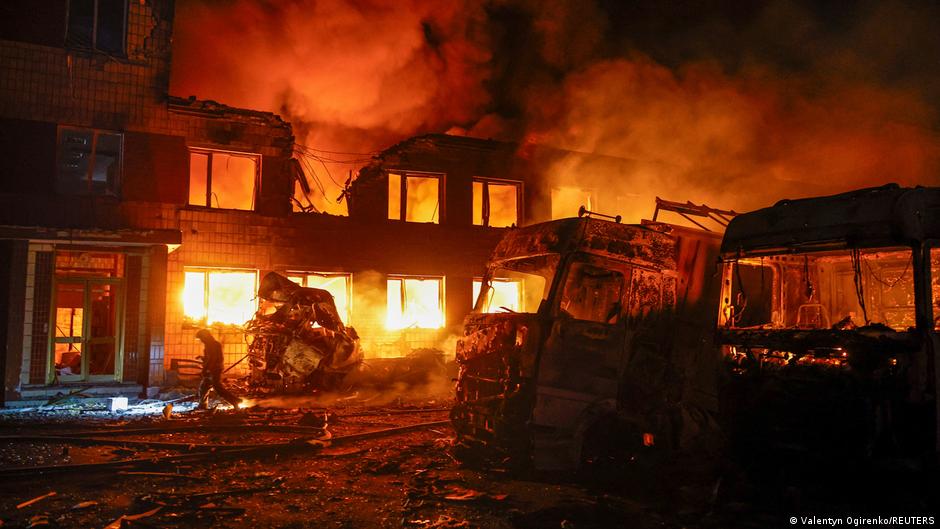
On the night of July 19, the Russian military launched a large-scale missile attack on Kyiv, resulting in significant damage to residential areas, commercial properties, and vehicles. This recent escalation not only endangers lives but also poses critical challenges to household budgets, local economies, and consumer confidence in the Ukrainian capital.
Economic Fallout on Households and Local Markets
The attack caused fires in several locations, including a supermarket, a dormitory, and multiple residential buildings. Over ten parked cars were damaged, and windows in residential blocks were shattered. Such destruction implies immediate financial burdens for families forced to repair damages or replace lost property, often without insurance coverage due to ongoing conflict.
These unexpected expenses strain household budgets, forcing many to divert funds from savings or essential consumption, thereby reducing overall economic resilience. Small businesses, particularly those operating in affected shopping centers or market areas, face interruptions in operations and inventory losses, which can lead to decreased income and potential layoffs.
Local currency stability often suffers during periods of intensified conflict. Increased uncertainty can lead to currency depreciation against stronger global currencies, raising import costs and inflationary pressures. For everyday investors, the volatile environment increases the risk profile of local markets, discouraging investment and complicating financial planning.
"The recent attacks highlight how geopolitical conflicts can have a direct ripple effect on ordinary citizens' financial stability and long-term economic health," says a financial analyst.
The psychological impact of such attacks also influences consumer behavior, often leading households to increase precautionary savings and reduce discretionary spending. This shift can slow economic recovery and deepen the financial strain on sectors reliant on consumer demand.
In summary, while the immediate human toll of the missile strikes is evident, the broader consequences for personal finances, savings, and local currency stability serve as a cautionary tale for citizens and policymakers alike. Protecting household economic security requires addressing both physical safety and financial resilience amidst ongoing instability.