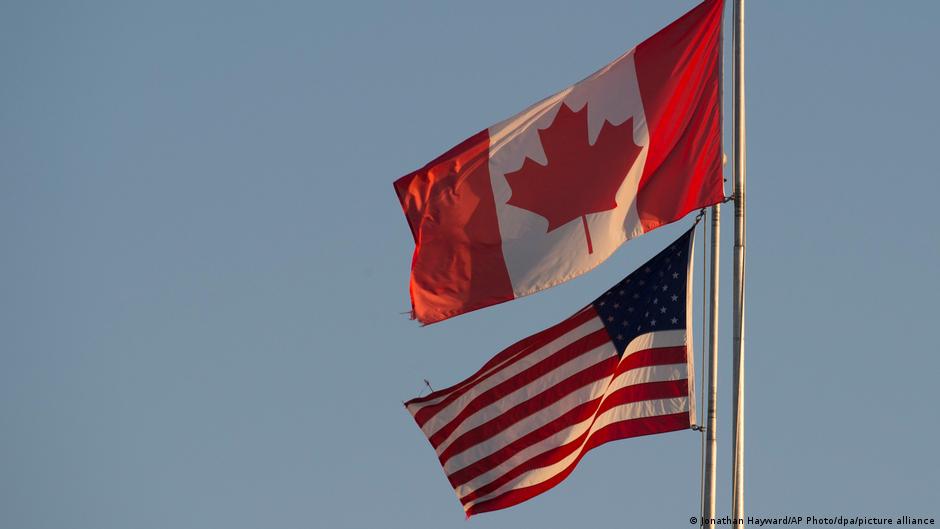
Trump Proposes Hosting Another FIFA World Cup in US Without Canada and Mexico
President Trump suggests the US should host a future World Cup alone, impacting event economics and local investments.
Trump's World Cup Hosting Proposal and Its Financial Implications for US Households
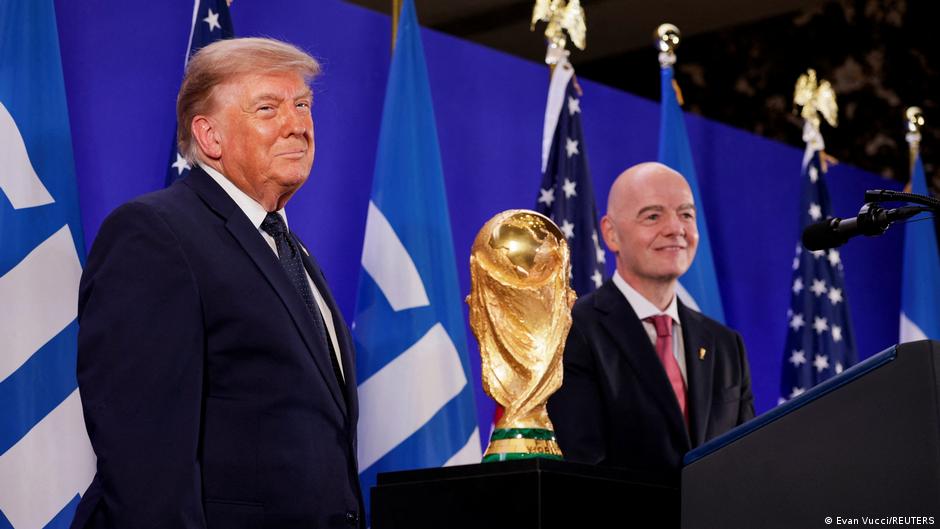
At a recent press conference in New York, former President Donald Trump announced his intention to have the United States host another FIFA World Cup, this time without the inclusion of Canada and Mexico. Trump suggested that the US could co-host the tournament with China, aiming to provide shorter travel distances for players and presumably a more streamlined event.
"Next time, you should choose the US again," Trump said. "This time we are ready to host without Canada and Mexico. Previously, I was very generous and allowed them to join. Now we'll do it without them, pick ourselves, and next time invite someone else." This marks a shift from the 2026 tournament, which was hosted jointly by the US, Canada, and Mexico.
"I thought we were not a soccer country. It turned out that's not the case. I think it will be that way going forward," Trump remarked, emphasizing the growing popularity and economic impact of soccer in the United States.
FIFA President Gianni Infantino expressed support for the idea and described the 2026 World Cup as "the greatest World Cup of all time." He also praised Trump's role in making the event a success, highlighting the scale of the tournament held across North America.
Economic Impact: What This Means for American Households
Hosting global sporting events like the FIFA World Cup has multifaceted effects on the national economy and household finances. The 2026 World Cup, distributed across three countries, brought significant investment in infrastructure, tourism, and local businesses. Should the US host again alone, the financial dynamics would shift, with concentrated spending in US cities and potential changes in ticket pricing, transportation costs, and currency considerations for travelers.
For everyday consumers and investors, hosting such a major event can influence currency strength, particularly the US dollar, which may appreciate due to increased foreign demand for dollars related to travel and spending. Additionally, local economies near stadiums might see temporary boosts in employment and business revenues, although these benefits can be unevenly distributed.
Consumers planning to attend future World Cups hosted in the US may face different budget considerations, including airfare, accommodation, and event pricing, especially if the tournament excludes neighboring countries that previously facilitated cross-border travel. This could increase costs for some fans who would otherwise have traveled shorter distances within North America.
Moreover, co-hosting with China introduces new variables, such as currency exchange fluctuations and geopolitical factors that can affect international investment flows and consumer confidence. Investors with exposure to sports franchises, infrastructure companies, or tourism-related businesses could see opportunities or risks depending on how these partnerships evolve.
Looking Ahead: The Next World Cups and Opportunities
The 2030 FIFA World Cup is slated to be held across Morocco, Portugal, Spain, Uruguay, Paraguay, and Argentina, with the 2034 tournament planned for Saudi Arabia. The next available slot for the US to host again is in 2038, aligning with Trump’s vision of a future event possibly held solely on American soil or with new international partners.
As discussions continue, households and investors alike should monitor how such large-scale events might affect national spending, currency markets, and local economies. While the excitement around soccer grows in the US, so too does the need for strategic financial planning to navigate the economic ripple effects of hosting world-class sports competitions.