Russia Proposes Expanding Military Contract Eligibility to Include Convicted Offenders
New Russian legislation would allow individuals convicted of serious crimes to sign military contracts, impacting labor markets and household economic stability.
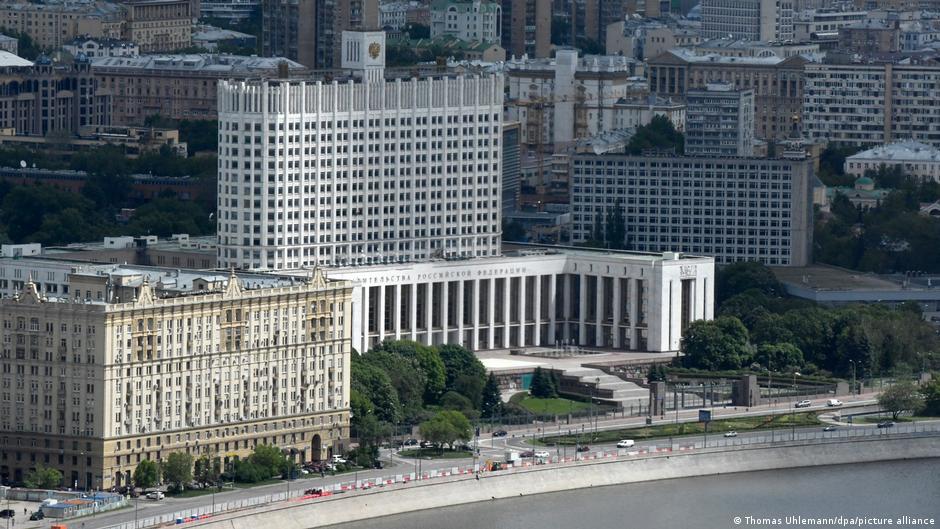
The Russian government has submitted a draft law to the State Duma that would broaden the range of criminal offenses for which convicted individuals are permitted to enter into military service contracts with the Ministry of Defense. The proposed legislation includes serious crimes such as banditry and drug smuggling.
This measure is aimed at increasing the pool of contract soldiers during mobilization, martial law, and wartime. According to the draft, persons convicted under several articles of the Criminal Code—including participation in banditry (Part 2, Article 209), organized criminal communities (Part 2, Article 210), drug trafficking (Article 229.1), illegal migration (Part 2, Article 322.1), and offenses related to nuclear and radioactive materials—would be eligible to enlist under contract.
Implications for Households and the Labor Market
The government maintains that these changes will not have adverse socioeconomic or financial effects, nor will they negatively impact the achievement of state program goals. However, from a personal finance perspective, the expansion of military recruitment to include individuals with criminal records may signal a tightening labor market and growing pressure on households.
Allowing a wider demographic, including convicted offenders, to join the military suggests a shortage of willing or available personnel, potentially driven by ongoing military engagements. For families, this raises concerns about the stability of household income if breadwinners are recruited, possibly under pressure or coercion, as reported in some regions.
"The law aims to increase contract soldiers, but the broader impact on families' financial security and savings cannot be overlooked," said an economic analyst.
Recent months have seen additional incentives and measures to attract contract soldiers, including debt forgiveness schemes extended by presidential decree, recruitment drives abroad in Belarus and China, and even coercive recruitment tactics reported in certain Russian regions. Furthermore, educational institutions like the Higher School of Economics are offering to finance education for students who enlist under specific military units.
For everyday consumers and investors, these developments could affect economic stability, currency valuations, and domestic confidence levels. Heightened military conscription risks disrupting labor supply, increasing household dependency ratios, and straining social safety nets.
Moreover, discussions of potential new mobilization waves add uncertainty to financial planning for many Russian households. The partial mobilization conducted between September and October 2022 has not been officially rescinded, with government officials indicating that certain provisions remain in force to ensure military readiness.
In summary, while this legislative move may address military staffing needs, its ripple effects on household budgets, savings security, and the broader consumer economy warrant close observation.