Drone Attacks on Russian Logistics Hubs Raise Concerns for Consumer Supply and Household Budgets
Recent drone strikes on Russian warehouses and residential areas may disrupt supply chains and impact everyday consumers and investors.
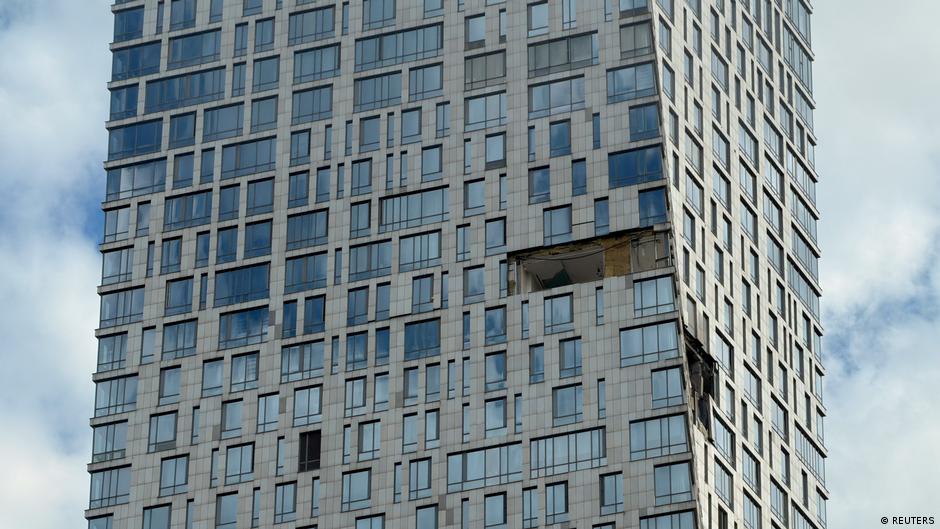
On the night of July 18, Ukrainian drone attacks targeted several Russian regions, including critical logistics centers and residential buildings, raising concerns about potential disruptions to supply chains and economic stability that directly affect household budgets and consumer markets.
Impact on Logistics and Consumer Goods Supply
One of the most significant incidents involved a drone attack on a Wildberries warehouse in Kotovsk, Tambov region. The warehouse, a key node in the distribution network of one of Russia's largest online retailers, caught fire, resulting in the deaths of seven employees and injuring 24 others. Wildberries plays a crucial role in supplying consumer goods across Russia, and damage to its logistics facilities may lead to delays or shortages in product availability.
“The fire at the Wildberries logistics center, caused by drone strikes, highlights vulnerabilities in supply chains that can ripple through to consumer prices and availability,” said a logistics industry analyst.
Additionally, reports indicate a similar fire at another Wildberries warehouse in Elektrostal near Moscow. This doubles the risk of disrupted deliveries in the Moscow metropolitan area and surrounding regions, potentially affecting household access to essential goods.
Wider Economic and Consumer Implications
Beyond the immediate physical damage, these attacks have broader implications for Russian households and investors. Interruptions in logistics can cause supply shortages, leading to higher retail prices for everyday products. Consumers may face increased costs for basic goods, straining household budgets already challenged by inflationary pressures.
The situation is further complicated by attacks on residential buildings, such as the drone strike in Vladimir that sparked a fire in a multi-story apartment block, prompting evacuations. While no casualties were reported there, the threat to civilian housing adds a layer of uncertainty for residents regarding safety and stability.
In Moscow, air defense forces intercepted dozens of drones in a series of attacks, with the mayor reporting over 370 drones targeted during the night. Though most were shot down before causing damage, the sheer scale of the attack signals potential risks to urban infrastructure, which could indirectly affect the financial markets and consumer confidence.
Furthermore, the strikes have targeted fuel storage facilities near Moscow, such as a reported fire at a petroleum base in Noginsk. Damage to fuel supplies can impact transportation costs, further adding inflationary pressure to consumer goods and daily expenses.
Currency and Investment Market Concerns
Geopolitical instability can influence currency values and investment sentiment. Heightened security risks and the visible strain on critical logistics infrastructure may lead to increased volatility in the Russian ruble and stock markets. Everyday investors could see fluctuations in asset values, affecting retirement savings and investment portfolios.
Economic disruptions of this nature often prompt cautious consumer spending, as households prioritize essential expenditures over discretionary purchases. This shift can dampen retail sector growth, impacting companies like Wildberries and others operating in the consumer goods market.
Overall, the recent drone attacks emphasize how geopolitical conflicts extend their reach into economic and personal finance realms, underscoring the interconnectedness between security events and everyday financial wellbeing.