Bulgaria to Veto New EU Sanctions on Russia Over Economic Concerns and Energy Risks
Bulgarian Prime Minister warns new EU sanctions could disrupt fuel supplies, metro parts, and fertilizer availability, impacting household budgets.
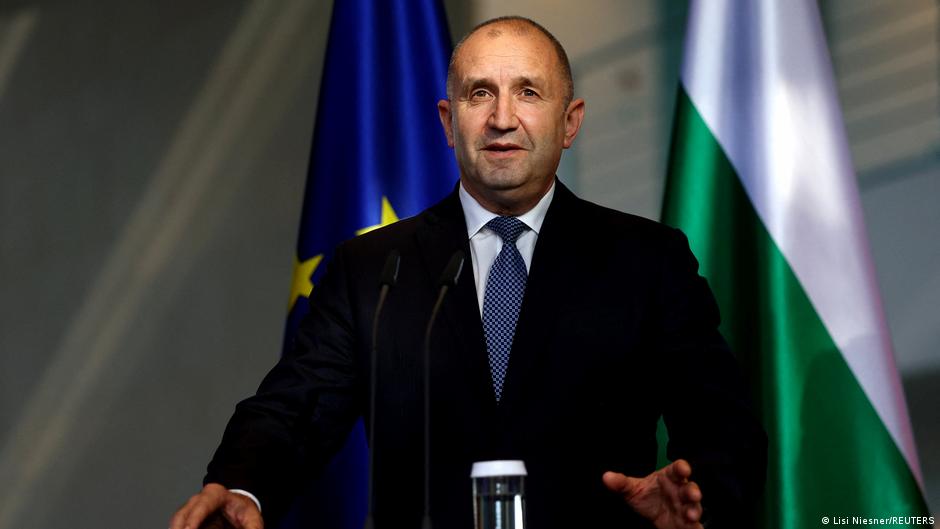
On June 18, Bulgarian Prime Minister Rumen Radev announced that Bulgaria will veto the European Union's new package of sanctions against Russia. The decision stems from concerns about the potential negative effects the sanctions could have on the Bulgarian economy and essential sectors affecting everyday consumers.
Economic and Consumer Impacts Behind Bulgaria's Veto
Prime Minister Radev highlighted the "significant risk" posed to the operations of Lukoil in Bulgaria, calling for the company to be removed from the EU's sanctions list. Lukoil owns the only oil refinery in Bulgaria, located in Burgas, and is one of the largest fuel retailers in the country. Disruptions to Lukoil's operations could directly affect fuel availability and prices, with a ripple effect on transportation costs and household expenses.
Beyond fuel, Radev expressed worries about potential shortages in spare parts for Sofia's metro system and the supply of fertilizers. Both sectors are critical to daily commuting and the agricultural supply chain. Any interruptions could increase costs for consumers, from higher commuting expenses to elevated food prices.
"How have these sanctions so far stopped the war? And how have they helped establish peace?" asked Radev, emphasizing the need to evaluate the real impact of sanctions on economic stability and societal welfare.
Despite his veto stance, Radev affirmed Bulgaria's support for Ukraine's EU membership negotiations, indicating a nuanced position balancing geopolitical alignment with domestic economic interests.
Context of the EU's Expanded Sanctions
On June 15, the EU expanded its sanctions against Russia, targeting 34 individuals and 47 entities connected to the Russian military-industrial complex and oil exports, including the use of a "shadow fleet" for crude oil transport. Notable additions include Lukoil-West Siberia and various companies registered in Russia, Liberia, Turkey, UAE, Azerbaijan, and Hong Kong.
The sanctions also extended to public figures within Russia, such as Anatoly Kuzichev, host of the program "Time Will Tell" on Channel One Russia, and Metropolitan Tikhon of Simferopol and Crimea, known as a spiritual advisor to President Vladimir Putin.
Implications for Bulgarian Households and Investors
Bulgaria's veto reflects broader concerns about how sanctions might reverberate through national economies and consumer markets. For Bulgarian households, disruptions in fuel supply or increased fuel prices can inflate transportation and heating costs, putting additional pressure on already tight budgets.
Fertilizer supply issues could affect agricultural output and food prices, further straining household expenses. Moreover, interruptions to public transport due to parts shortages could force greater reliance on private vehicles or less efficient alternatives, adding to daily costs.
For everyday investors and consumers, the unfolding sanction dynamics underscore the volatility of energy markets and the interconnectedness of global supply chains. Currency fluctuations and inflationary pressures may follow, influencing savings and purchasing power.
In sum, Bulgaria's stance spotlights the dilemma faced by EU member states balancing geopolitical strategies with protecting their citizens' economic well-being in uncertain times.