US House Passes Resolution Restricting War Powers Against Iran, Impacting Economy and Investors
The US House restricts presidential war powers on Iran, signaling potential shifts in geopolitical risk affecting household budgets and currency markets.
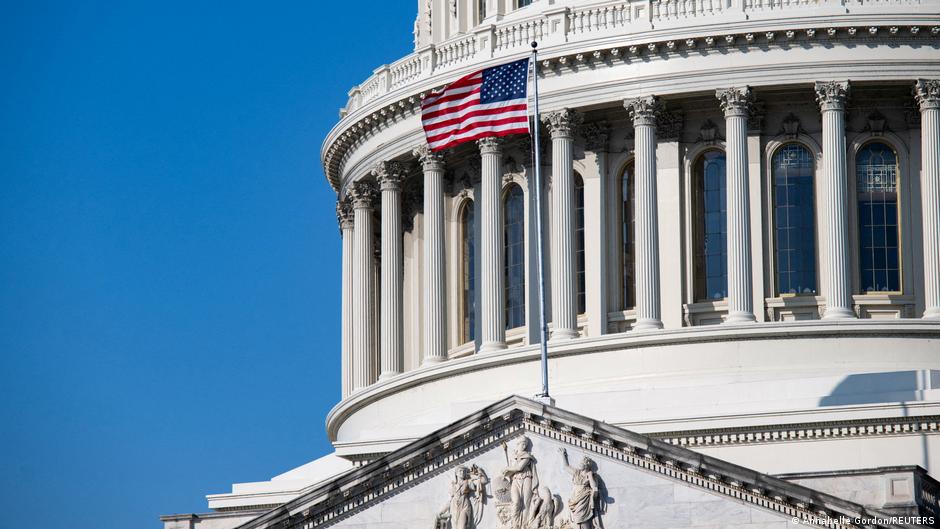
The US House of Representatives has approved a resolution that limits President Donald Trump’s ability to continue military operations against Iran without explicit Congressional approval. This marks the first time the lower chamber has formally opposed the White House’s stance on the conflict, signaling a potential shift with significant implications for personal finance, currency markets, and everyday investors.
Congressional Action Reflects Growing Concern Over Prolonged Conflict
The resolution passed with 215 votes in favor and 208 against, including support from several Republicans alongside Democrats. This bipartisan backing suggests a waning appetite for extended military engagement with Iran among lawmakers, which could impact economic stability and market confidence.
“The war with Iran is losing support not only among Democrats but within President Trump’s own party,” noted analysts tracking the political climate.
The Senate previously showed support for a similar resolution on May 19, with a narrow margin of 50 to 47 votes, though the vote’s full impact was tempered by absences related to election campaigns. Historically, Republican opposition had blocked multiple attempts to advance such resolutions in both chambers, underscoring the novelty of the current development.
Implications for Household Budgets and Investors
Prolonged conflicts often trigger market volatility, impacting currency valuations, inflation expectations, and commodity prices such as oil. The uncertainty surrounding US-Iran relations tends to drive up global oil prices, which directly affects household energy costs and transportation expenses. A resolution constraining extended military action could ease geopolitical tensions, stabilizing energy prices and providing relief to consumer budgets.
Moreover, everyday investors with exposure to foreign currencies, defense stocks, or emerging market assets must closely monitor these political developments. Heightened tensions typically increase risk premiums and currency fluctuations, affecting portfolio valuations. Conversely, a congressional pushback on military engagement may bolster investor confidence by signaling de-escalation.
Legal and Political Context
Under the War Powers Act of 1973, the president can initiate military action without Congressional consent for up to 60 days. After this period, formal approval is required to continue hostilities. President Trump notified Congress on May 1, 2026, that the military engagement with Iran was “completed,” yet active clashes, including missile strikes and retaliatory actions, have persisted.
The recent Iranian rocket and drone attacks targeting US bases in Kuwait and Bahrain, and the American strike on an Iranian military site in the Strait of Hormuz, underscore ongoing conflict risks. While Trump’s administration asserts ongoing negotiations with Iranian leaders, the legislative move reflects Congressional frustration with unilateral military decisions and their economic fallout.
Despite the resolution’s passage, experts suggest President Trump is likely to veto it, perpetuating political uncertainty. For consumers and investors alike, the key takeaway is that geopolitical risk remains a critical factor influencing inflation, currency stability, and market volatility.
As geopolitical tensions ebb and flow, households may see variable impacts on fuel and goods prices, while investors should evaluate risk exposure to defense sectors and global markets sensitive to Middle East developments. Staying informed on legislative and diplomatic shifts is crucial for managing personal finances amid an unpredictable global landscape.