G7 Nations Announce New Sanctions on Russian Energy and Military Aid to Ukraine
New G7 sanctions on Russian oil and gas will impact global energy markets while increased arms support aims to bolster Ukraine’s defense.
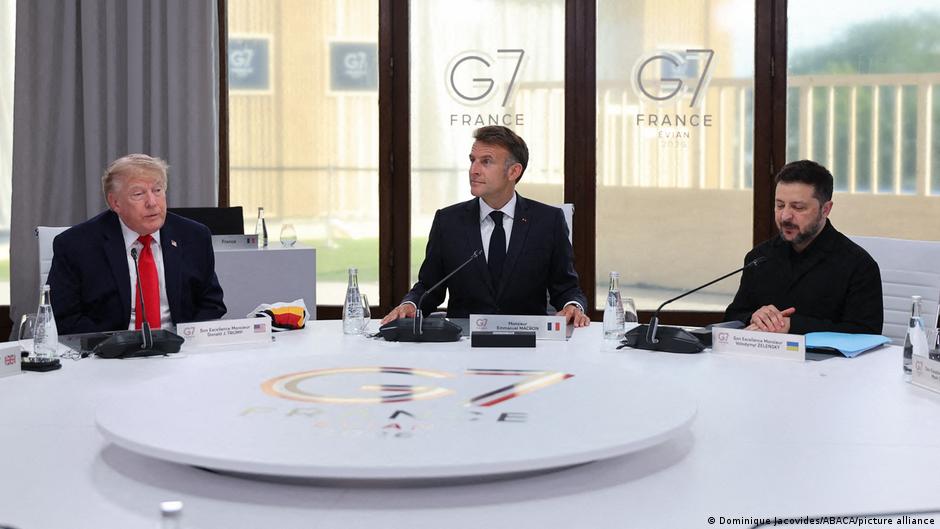
The Group of Seven (G7) countries have pledged a series of new sanctions targeting Russian oil and gas sectors, along with increased military aid to Ukraine, following their summit in Évian-les-Bains, France. This coordinated move aims to intensify economic pressure on Russia while supporting Ukraine’s defense capabilities amid ongoing conflict.
Impact on Energy Prices and Household Budgets
In their joint statement released in the early hours of June 17, G7 leaders committed to strengthening sanctions specifically targeting Russia’s energy industry. The declaration reads: "We commit to increasing pressure on Russia’s military economy. In this context, we will reinforce our sanctions, including measures against the oil and gas sector."
The timing of these sanctions coincides with recent geopolitical developments, including U.S. efforts to secure an agreement with Iran regarding the reopening of the Strait of Hormuz, a critical chokepoint for global oil and gas shipments. This move could somewhat ease disruptions in energy supply but is unlikely to fully offset reduced Russian exports.
For consumers and households worldwide, these new sanctions may translate into higher energy prices. Given the significant role of Russian oil and gas in global markets, further restrictions could tighten supply, pushing up costs for heating, transportation, and electricity. Households may face increased utility bills and fuel expenses, leading to tighter budgets and potential cutbacks in discretionary spending.
"New sanctions on Russian energy risk exacerbating inflationary pressures on households already grappling with rising living costs."
Bolstered Military Support and Economic Implications
The G7 statement also emphasizes unwavering support for Ukraine’s sovereignty and territorial integrity, recognizing the nation's resilience amidst sustained attacks on critical infrastructure and cultural heritage sites. Leaders noted "a new dynamic" unfolding on the battlefield, which they aim to strengthen through escalated military aid.
The countries have agreed to increase supplies of air defense systems, interceptors, long-range weaponry, and other military equipment to Ukraine. Additionally, they are considering license provisions to expand Ukraine’s domestic military production capacity.
From a financial perspective, increased military aid will require substantial funding, potentially affecting government budgets across G7 nations. While this aid does not directly impact household finances, it may influence governmental fiscal policies, including taxation or public spending priorities, over the medium term.
Energy Security and Winter Preparedness
Recognizing the upcoming winter season, the G7 committed to supporting Ukraine’s energy sector to help the country withstand the harsh months ahead. This assistance is critical given the damage to energy infrastructure caused by ongoing conflict and will have humanitarian as well as geopolitical significance.
For consumers in Europe and beyond, energy security remains a prime concern. Reduced Russian energy supplies have already fostered volatility in energy markets, and this latest round of sanctions may contribute to continued price instability. Households may need to explore energy-saving measures and budget adjustments as winter approaches.
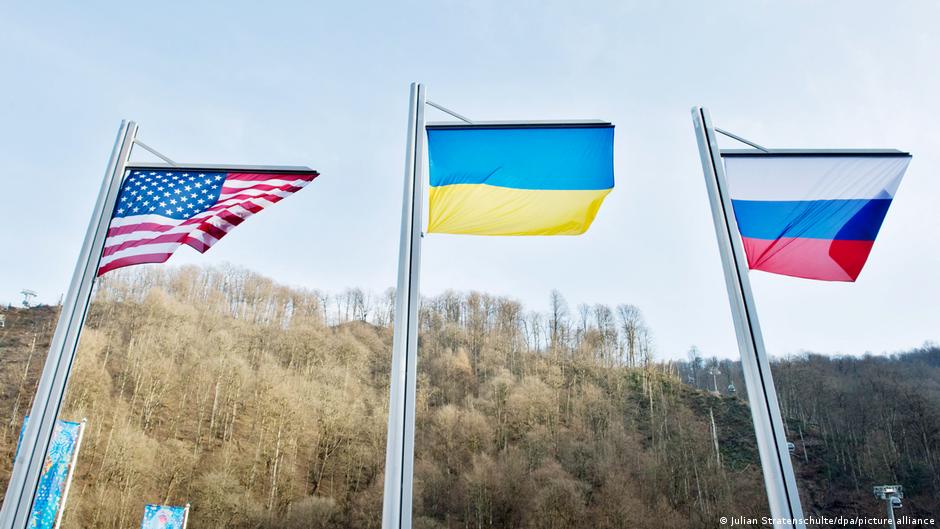
The G7 group comprises Germany, the United States, the United Kingdom, France, Italy, Japan, and Canada. Their unified stance signals sustained Western commitment to restraining Russia’s military capabilities while mitigating the broader economic repercussions where feasible.