Russian Air Strikes on Zaporizhzhia and Sumy Cause Civilian Casualties and Infrastructure Damage
Russian attacks on Ukrainian cities Zaporizhzhia and Sumy resulted in multiple deaths and damage to residential and industrial areas, impacting local communities and economies.
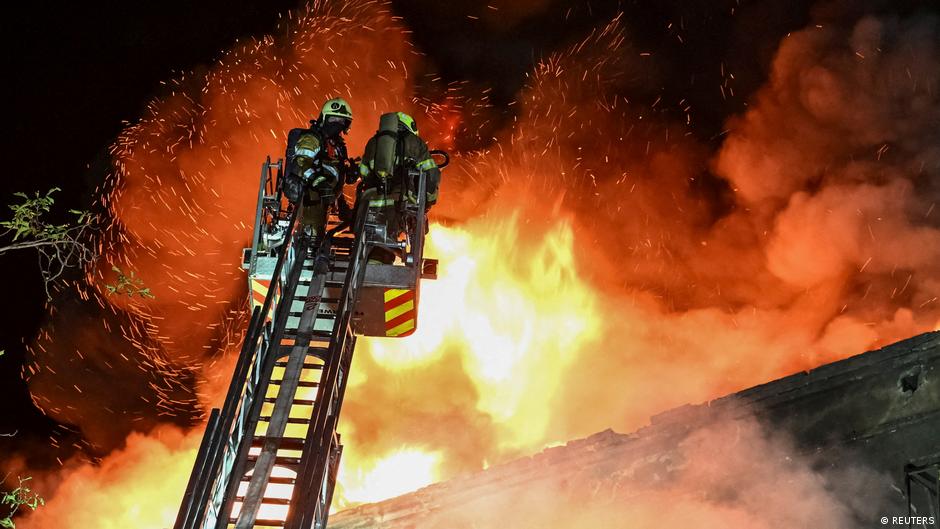
On July 19, Russian forces launched air strikes on the Ukrainian cities of Zaporizhzhia and Sumy using guided aerial bombs. These attacks caused significant damage to residential buildings and civilian infrastructure, resulting in multiple fatalities and injuries.
Impact on Households and Local Economy
In Zaporizhzhia, two floors of a five-story residential building were completely destroyed, and windows and balconies in a nearby nine-story building were damaged. Additionally, a logistics operator's terminal caught fire. According to the regional military administration head, Ivan Fedorov, these attacks led to at least two deaths and injured over 40 residents, including eight children.
The destruction of residential housing not only threatens the safety of families but also imposes financial burdens on those affected. Homeowners and renters face repair costs or displacement expenses, straining household budgets that may already be tight due to the ongoing conflict. Insurance coverage in conflict zones is often limited, further exacerbating the financial impact on individuals.
Similarly, in Sumy, a strike damaged both residential and industrial areas, with one confirmed fatality and at least three injured. The local administration reported seven guided aerial bombs hitting the Kovpakivskyi district, damaging housing and industrial facilities. Such damage to industrial zones disrupts local employment and supply chains, potentially affecting wages and the availability of goods and services for residents.
"There is damage to both the residential sector and the industrial zone," noted Sumy regional administration head Oleg Grygorov, highlighting the dual impact on homes and the local economy.
For everyday investors and residents, the destruction of infrastructure can lead to market volatility and currency fluctuations, as uncertainty rises in affected regions. The costs associated with rebuilding and humanitarian aid may put additional pressure on national budgets and impact inflation, directly influencing consumer prices and savings.
Furthermore, damage to logistics hubs, such as the terminal fire in Zaporizhzhia, disrupts supply chains, potentially leading to shortages and higher costs for goods. This scenario can erode purchasing power and savings, particularly for lower-income households.
As hostilities continue, the economic repercussions of such attacks extend beyond immediate physical damage, affecting the financial stability of individuals, local economies, and the broader national market.