US Court Blocks Trump-Era $100,000 Fee on H-1B Work Visas, Easing Costs for Employers and Workers
Federal judge rules Trump administration's $100,000 visa fee unlawful, impacting tech companies and skilled foreign workers' finances.
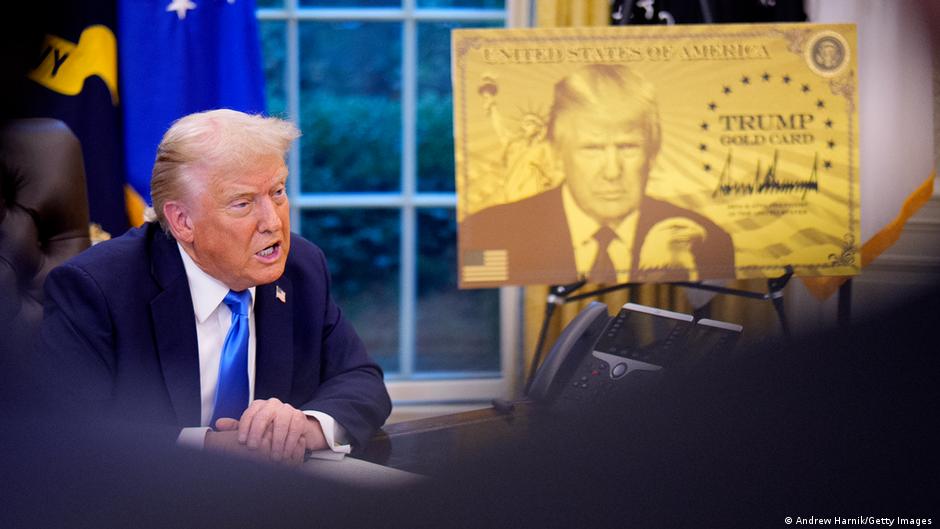
On June 8, a U.S. federal district judge struck down a controversial $100,000 fee imposed on H-1B work visa applications, a policy introduced during the Trump administration in September 2025. The ruling marks a significant relief for technology companies and highly skilled foreign professionals who rely on these visas to work in the United States.
Impact on Household Budgets and Corporate Costs
The court decision declared the fee an unlawful tax that exceeded the executive branch's authority. The judge ruled that President Trump did not have the delegated power to impose such a substantial levy on visa applicants. Previously, the cost to apply for an H-1B visa was capped at around $5,000, but the Trump-era policy increased this amount twentyfold, to $100,000.
This dramatic increase had direct and indirect effects on household budgets and corporate spending. Many technology firms, which depend heavily on H-1B workers—particularly those from India, who make up nearly 75% of approved applicants—faced higher costs that could be passed down through reduced hiring, increased prices, or diminished investment in employee benefits. For the workers themselves, the heightened fee risked limiting opportunities to secure employment visas or increasing financial burdens if employers shifted costs.
"President Trump did not possess the authority to impose a $100,000 tax on H-1B visa applications," the court declared, emphasizing the fee's illegitimacy.
The ruling came after a lawsuit filed by 20 U.S. states challenged the fee's legality, arguing it was an unauthorized tax. While a separate federal court had previously upheld the fee, that decision is currently under appeal.
By nullifying this fee, the court has eased the financial pressure on both American companies seeking to hire top international talent and the skilled foreign workers who contribute to the U.S. economy. It also signals a shift away from some of the more restrictive immigration policies introduced under the former administration.
Broader Implications for Currency and Investment
Reducing visa-related costs benefits not only employers and employees but potentially also the broader economy. Lower expenses for multinational companies can translate into steadier hiring and investment patterns, which support economic growth. For everyday investors, a more stable labor market in key technology sectors may contribute to more predictable corporate earnings and investment returns.
Moreover, easing visa fees could influence currency flows, as fewer foreign workers face barriers to employment in the U.S., possibly affecting remittance patterns and international capital movement.
In summary, the court's decision to annul the $100,000 H-1B visa fee may help maintain the United States' competitiveness in attracting global talent while mitigating increased costs that might have otherwise strained household and corporate budgets.