EU Delays Naming Negotiator with Russia, Impacting Sanctions and Financial Strategies
EU holds off on appointing a negotiator with Russia as it refines strategy amid sanctions affecting European finances and households.
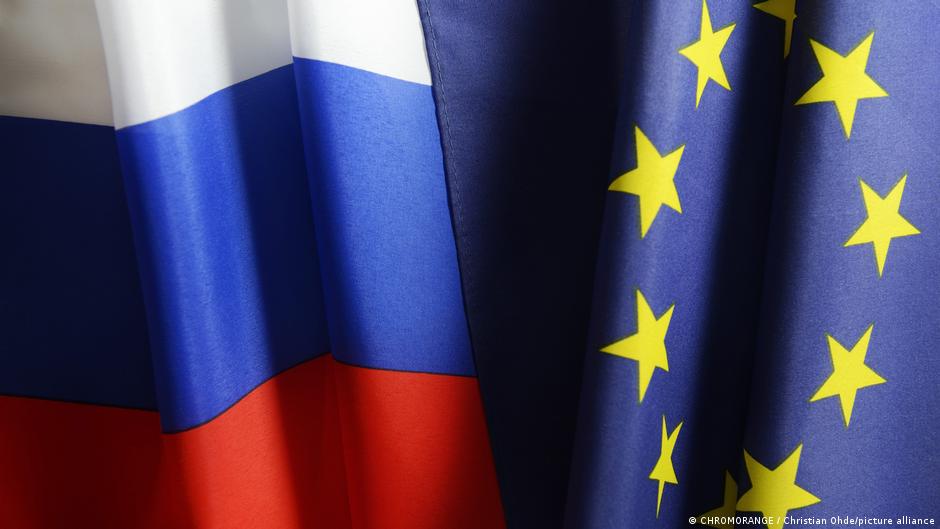
The European Union has decided not to appoint a representative to negotiate an end to the war in Ukraine at this time. According to senior EU officials, the bloc wants to first clarify its negotiation objectives with Russia before selecting a negotiator.
This decision follows discussions among key EU members, including Germany and the EU's High Representative for Foreign Affairs and Security Policy, who currently view appointing a specific envoy as premature. An EU official explained, "We need to agree first on exactly what we want to discuss with Russia." This caution reflects broader strategic considerations as the EU prepares its next phase of responses.
Sanctions and Financial Impact on Households and Markets
The EU is convinced that sustained sanction pressure is the primary lever to bring Russian President Vladimir Putin to the negotiating table. On May 28, the European Commission and the European External Action Service (EEAS) presented a draft of the 21st sanctions package targeting Russia. This latest round is expected to focus on the financial sector and suppliers linked to the Russian defense industry.
For European households and everyday investors, these developments have important implications. Sanctions affecting Russian financial institutions and companies can mean tighter credit markets and increased volatility in currency and stock markets. This can impact savings, pensions, and investment portfolios, as well as the prices of imported goods and energy, which are often tied to geopolitical risks.
Furthermore, the uncertainty surrounding negotiation prospects adds to currency market volatility, especially for the euro and related emerging market currencies. Households may experience fluctuations in purchasing power and potential inflationary pressures as costs for energy and commodities remain unstable.
"We need to agree first on exactly what we want to discuss with Russia," an EU official said, highlighting the importance of a clear negotiation framework before diplomatic engagement.
The delay in naming a negotiator also signals that the EU is prioritizing a unified and strategic approach over hastened diplomacy, which might otherwise lead to premature economic adjustments or market instability.
Political Dynamics and Leadership Choices
There has been active debate within the EU about appointing a special envoy to negotiate with Russia. Potential candidates mentioned include former European Central Bank President Mario Draghi, former German Chancellor Angela Merkel, and Finnish President Sauli Niinistö (correction from original source's mention of Alexander Stubb).
Notably, Russian President Vladimir Putin expressed a preference for former German Chancellor Gerhard Schröder as the EU's negotiator. However, the EU and German government have ruled out Schröder, who is perceived as closely aligned with Putin. German Chancellor Friedrich Merz emphasized EU sovereignty in such decisions, stating, "We Europeans decide ourselves who speaks on our behalf. No one else." This stance reinforces the EU's commitment to independent decision-making affecting both diplomacy and economic policy.
For consumers, the leadership choices and diplomatic posture can influence the trajectory of sanctions and economic relations, which in turn affect inflation rates, currency stability, and overall financial security.
As the EU continues to formulate its strategy, households and investors must prepare for ongoing uncertainty and potential market shifts driven by geopolitical events and economic sanctions.