NATO Confirms Russian Drone Crash in Romania Amid Heightened Regional Tensions
The incident involving a Russian-origin drone crashing into a Romanian home raises concerns over regional security and its economic impact on households.
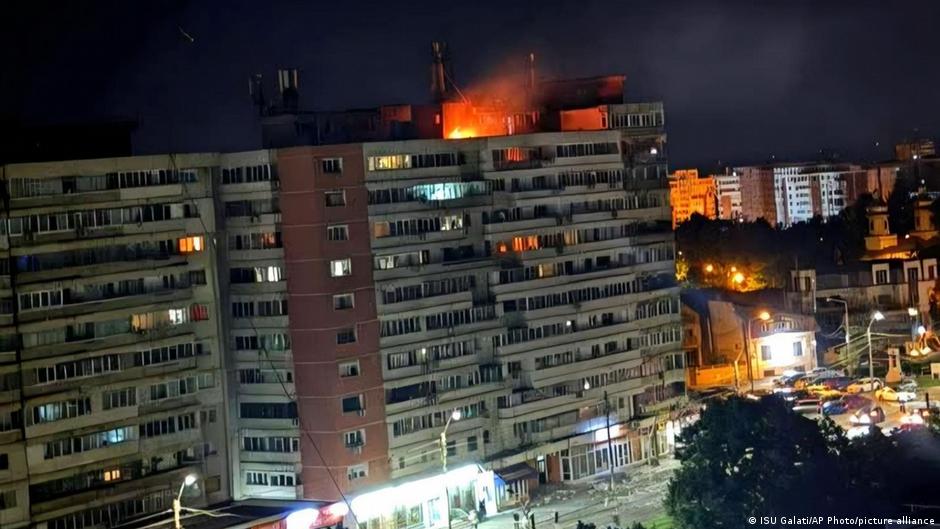
On May 29, a drone crashed into a residential building in the Romanian city of Galați, near the border with Ukraine, causing a fire and injuring two people. NATO has confirmed that the unmanned aerial vehicle (UAV) is of Russian origin, aligning with Moldovan and Romanian official assessments. This event has prompted heightened security concerns and potential economic repercussions for local residents and cross-border consumers.
Security Incident with Economic Ramifications
According to Martin O’Donnell, a spokesperson for NATO's Supreme Headquarters Allied Powers Europe (SHAPE), the drone involved in the incident was manufactured in Russia. Romanian Defense Minister Radu-Dinel Miruță also confirmed this, citing serial numbers found on the drone wreckage.
The drone's trajectory reportedly changed after being intercepted by Ukrainian air defense over Ukraine, according to Romanian President Nicolae Ciucă. He explained that Ukrainian forces shot down some drones crossing their territory. One drone, likely struck near the city of Reni, then veered toward Galați, where it crashed into a tenth-floor apartment.
The president stated, "Responsibility for the strike on the residential building in the border city of Galați obviously lies with Russia."
The incident has not only escalated geopolitical tensions but also sparked immediate concerns about the safety and economic stability of households in the affected area. The destruction of residential property and the risk to civilian lives add to the direct costs borne by families. Beyond immediate damage, such events can influence local real estate values, insurance premiums, and consumer confidence.
Romania has formally requested NATO to reinforce air defense systems to prevent future incidents. The closing of the Russian consulate in Constanța and declaring the Russian consul persona non grata signal further deterioration in diplomatic relations, which may have indirect effects on trade and currency stability.
Implications for Household Budgets and Consumers
For everyday citizens, particularly those living in border regions, the incident underscores an unpredictable risk environment that could have financial consequences. Repairing damaged properties and coping with temporary displacement may strain household budgets, potentially undermining savings and increasing reliance on credit.
Furthermore, ongoing regional instability can influence currency markets. The Romanian leu and neighboring currencies might experience volatility as investors react to security concerns, affecting purchasing power and inflation rates. For individual investors, especially those with exposure to Eastern European markets or currencies, monitoring such geopolitical developments is crucial.
While the Russian government has expressed skepticism about the drone's origin, with President Vladimir Putin calling for thorough examination before conclusions, the consensus among NATO and Romanian officials points to Russian responsibility.
As regional tensions persist, the economic ripple effects of military incidents like this one may continue to impact household finances, insurance costs, and investor sentiment.