Russian Attacks on Black Sea Trade Routes Threaten Global Food Prices and Household Budgets
Russian attacks on Black Sea trade routes disrupt global food supplies, risking higher consumer prices and straining household budgets worldwide.

Russian attacks on Black Sea trade routes disrupt global food supplies, risking higher consumer prices and straining household budgets worldwide.

The US has sent $100 million in humanitarian aid to Cuba amid sanctions, providing direct relief to families while economic pressures and currency volatility rise.


US-Iran conflict intensifies with nine nights of US strikes and Iranian retaliation, disrupting energy flows through the Strait of Hormuz and impacting global fuel prices.

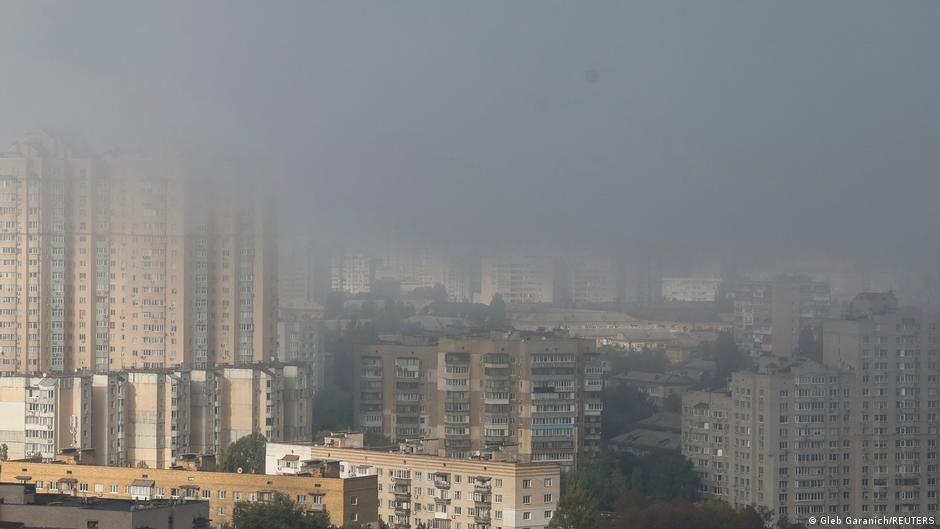
The recent missile strikes on Kyiv caused property damage and casualties, impacting household budgets, local businesses, and consumer confidence amid conflict.

Russia’s proposed law would allow convicted offenders to serve under military contracts, raising concerns about household income stability and economic impacts amid ongoing mobilization.

Drone strikes on Russian logistics hubs and residential areas threaten supply chains, risking higher consumer prices and financial market volatility that impact households and investors.

Trump alleges China accessed data of 220 million US voters in 2020, raising concerns over data breaches that threaten consumer security and household finances.

Ukraine’s new Prime Minister Sergei Koretsky, an energy sector expert, could influence household utility costs and economic stability amid government reshuffle.

Russian missile and drone strikes on Kyiv and Kharkiv cause casualties and damage, intensifying economic uncertainty and affecting Ukrainian household finances.

US threats against the International Criminal Court spark concerns about global legal stability and economic impacts on currency markets, household budgets, and investors.

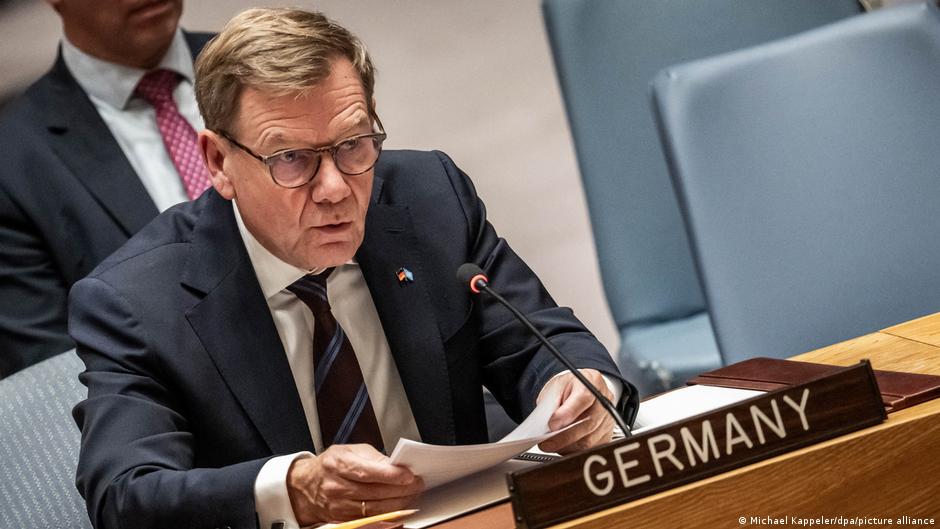
Germany sees a sharp rise in military service refusals, raising concerns about household budgets, savings, and investment strategies amid defense reforms.

German President Steinmeier urges Europe to uphold international order and implement social reforms to stabilize economies and protect households amid rising geopolitical tensions.

US military strikes on Iran near the Strait of Hormuz risk disrupting oil supplies, driving up energy prices, and straining household budgets and investments globally.

The EU recommends cutting €2 million in funding from the Venice Biennale over Russia's participation, raising questions about the use of taxpayer money amid geopolitical tensions.

Russian drone strikes in Kharkiv damaged homes and a food industry plant, impacting local households and raising economic concerns for Ukraine’s civilians.

The killing of UK politician Anne Widdicombe raises public safety concerns that may impact household budgets, consumer confidence, and the broader economy.

Russia's closure of the Azov-Don Canal after drone attacks disrupts grain exports, driving up wheat prices and posing risks to household budgets and commodity markets.

June 2026 saw the highest civilian casualties in Ukraine since the Russian invasion, intensifying financial pressures on families and everyday investors amid ongoing conflict.

Iran’s leader’s death and rising conflicts threaten household budgets, savings, and currency stability amid a fragile political transition.

Renewed US-Iran military strikes and sanctions threaten Strait of Hormuz shipping, risking higher oil prices and increased costs for households and investors worldwide.

Removal of US sanctions on Syria may affect investments, currency stability, and household budgets as the country reintegrates into the global economy.

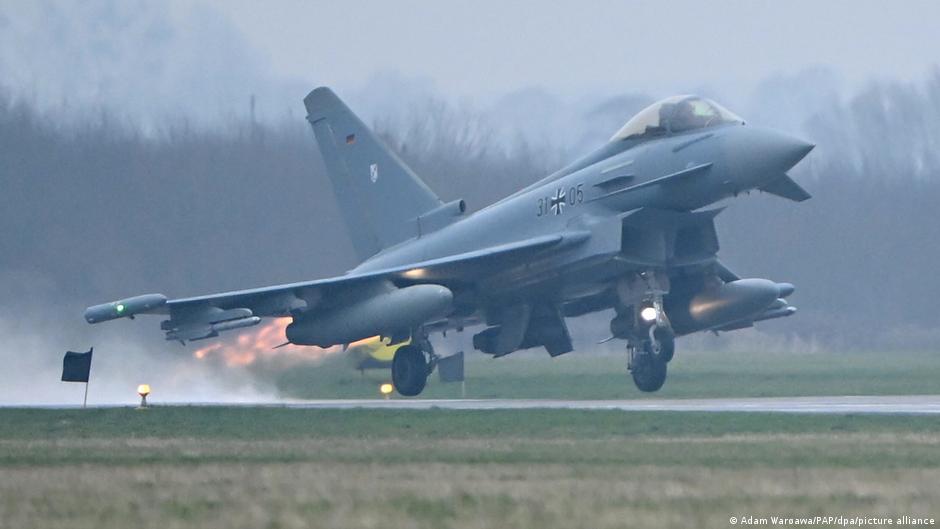
Germany plans a 25.5% defense budget increase for 2026, raising concerns over impacts on household finances, public debt, and investor markets.

Russian missile attacks on Kyiv and Kharkiv inflicted property damage and injuries, raising concerns over their impact on household finances and local economies.

US strikes on Iran and renewed sanctions risk disrupting global oil supplies, pushing energy costs higher and impacting household budgets and investors worldwide.

Cuba’s latest nationwide blackout amid U.S. sanctions intensifies energy shortages, straining household budgets, savings, and investor confidence.

Germany plans a 6% increase in spending and higher borrowing in its 2027 budget, with defense costs rising sharply, raising concerns for household finances and economic growth.

Canada's selection of German TKMS for submarine procurement signals deepening transatlantic ties, with wide-ranging effects on currencies, government budgets, and investors.

Russian attacks across Ukraine’s regions have caused civilian casualties and infrastructure damage, disrupting households and increasing financial pressure on families and local economies.

Gazprom's new defense contract enables employees to earn extra income by guarding gas infrastructure, impacting household budgets and job security amid economic uncertainty.

Russian missile and drone strikes on Kyiv cause casualties and property damage, increasing financial hardship for families and affecting local economies amid ongoing conflict.

A survey shows 40% of Germans doubt they can work until retirement due to heavy job strain, raising concerns about pension security and household finances.

Russia’s Defense Ministry plans to cancel mandatory medical exams for contract soldiers, reflecting recruitment struggles that may affect household budgets and economic stability.

Latvian President warns NATO to prepare for conflict escalation with Russia, highlighting increased defense spending and its impact on European household budgets and savings.

Missile and drone strikes in Sumy and Zaporizhzhia have caused casualties and damage, threatening household finances and local economic stability amid ongoing conflict.

Belarus advises citizens to avoid travel to Russia due to border attacks, impacting household budgets and prompting shifts in family travel and spending habits.

Missile and drone attacks on Kyiv have caused deaths and widespread damage, intensifying financial pressures on households through repair costs, healthcare expenses, and economic disruption.

Poland deported 11 individuals accused of organizing Russia-funded protests among Ukrainian refugees, raising concerns over foreign influence and economic impact on households.

German and US foreign ministers emphasize their partnership's role in stabilizing the global economy amid crises affecting household finances and investor confidence.

Ukraine’s new National Pantheon and Order of Europe initiatives highlight tensions with Poland that could affect household budgets, currency stability, and investor confidence.

US strikes on Iranian military targets follow drone attacks on oil tankers near the Strait of Hormuz, risking higher energy prices and economic uncertainty for consumers worldwide.

Night missile attacks on Kyiv have injured civilians and caused fires, compounding economic uncertainty that impacts household finances, savings, and investor confidence in Ukraine.

Finland's removal of the nuclear weapons ban may impact national security and economic stability, influencing household budgets, savings, and currency markets.

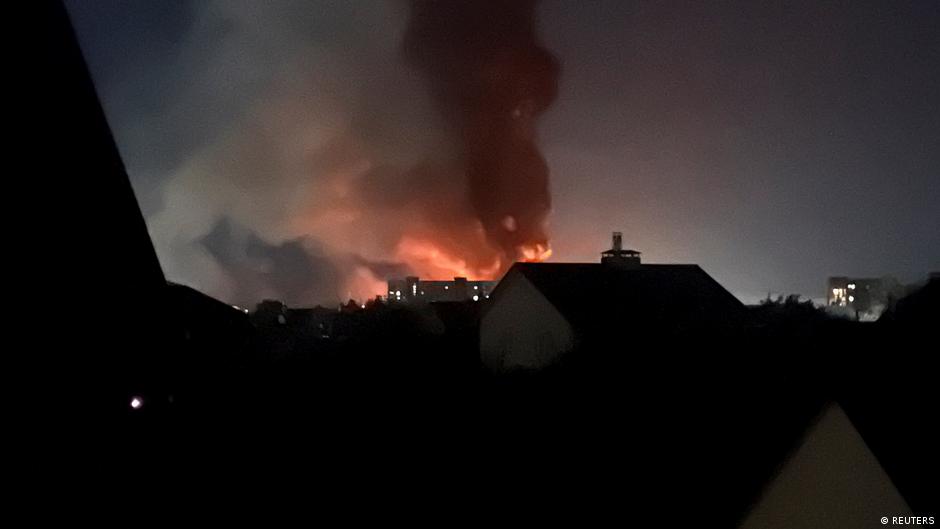
A drone attack caused a fire at a key oil depot near Krasnodar, disrupting regional fuel supplies and raising energy costs for households in Southern Russia.

The US has imposed new sanctions on five Cuban state firms controlling 40% of GDP, impacting trade, investments, and household economies amid escalating tensions.

Belgium granted one-day visas to five Taliban representatives for EU talks on Afghan deportations, highlighting migration policy impacts on households and financial stability.

Russian strikes on Zaporizhzhia have caused civilian injuries and damage to homes, raising concerns about the financial impact on households and local economies.

Far-right businessman Abelardo de la Espriella wins Colombia’s presidency, promising economic deregulation and security measures that may impact household finances and investments.

Russian drone and missile strikes in Kharkiv and Odessa damage homes and agriculture, impacting household budgets, food prices, and consumer confidence in Ukraine.

The US may charge fees for passage through the Strait of Hormuz if Iran deal fails, risking higher oil prices and impacting household budgets and currency markets worldwide.

Germany urges Turkey to exclude Russian gas from future EU contracts, affecting energy prices, household budgets, and currency markets amid evolving geopolitics.