Russian Drone Strike Hits Residential Building in Kharkiv, Impacting Local Households
A drone strike damaged a high-rise in Kharkiv while a missile attack in Odessa region caused casualties, affecting consumer safety and local economies.
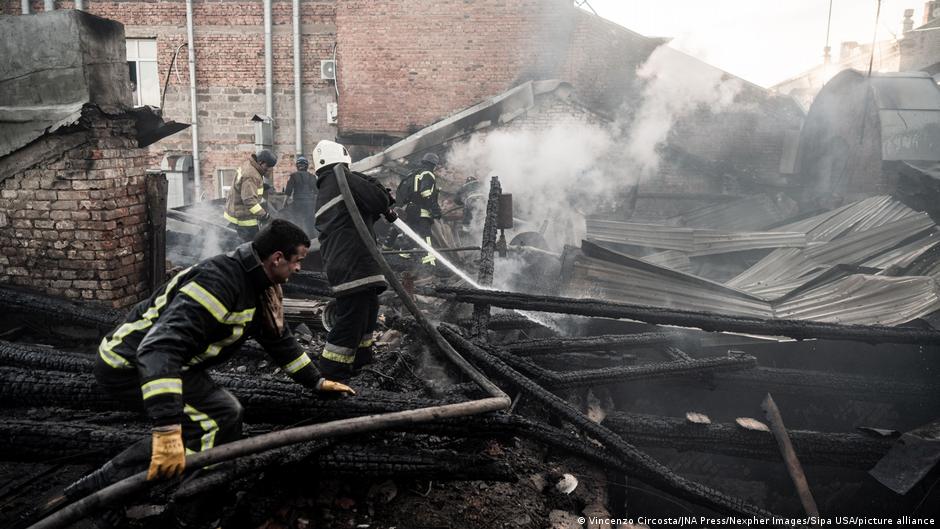
Recent military actions by Russian forces have caused significant damage to civilian infrastructure in Ukraine, with direct implications for household safety and local economic stability. In Kharkiv, a Russian unmanned aerial vehicle (UAV) struck a high-rise residential building in the Shevchenkivskyi district, igniting a fire and damaging multiple apartments. Meanwhile, a missile attack in the Odessa region resulted in casualties and property destruction.
Impact on Households and Consumer Stability
The drone strike in Kharkiv hit the facade of a 22-story residential building, causing a fire that was quickly extinguished. According to local officials, around ten windows were shattered, and although no injuries were reported, the incident has heightened concerns about property damage and residents' safety.
Such attacks pose direct risks to household budgets. Repairing damage to housing—ranging from broken windows to structural repairs—places unexpected financial burdens on families. In conflict zones, insurance coverage may be limited or unavailable, forcing residents to pay out of pocket or rely on sparse humanitarian aid.
"The strike on the high-rise building in Kharkiv underscores the growing vulnerability of civilian infrastructure, with direct consequences for families’ financial security and well-being."
In the Odessa region, the situation was even more severe. A ballistic missile strike targeted an agricultural enterprise, resulting in one fatality and three injuries. The attack destroyed a warehouse and ignited fires in vehicles and fuel storage tanks. This event not only endangers lives but disrupts local economic activities, particularly in agriculture, a key sector for regional employment and food supply.
The destruction of agricultural infrastructure can lead to reduced output, driving up food prices and impacting household food security. Consumers may face increased costs for staple goods as supply chains are interrupted.
Wider Economic and Currency Implications
Military escalations like these exacerbate economic uncertainty. Investors, both local and international, become more cautious, affecting capital flows and currency stability. The Ukrainian government’s recent agreement with Germany to purchase 600 air defense missiles signals an ongoing intensification of defense efforts, which could increase national expenditures and influence fiscal policies.
Heightened defense spending and continued conflict tend to pressure the national currency, potentially fueling inflation. For ordinary Ukrainians, this means that everyday expenses—from groceries to utilities—may rise, tightening household budgets further.
Moreover, disruptions in regional agriculture and infrastructure increase the risk of supply shortages, which can inflate prices on consumer goods. Households may respond by drawing on savings or reducing non-essential spending, affecting overall economic consumption patterns.
In summary, these military incidents underscore the tangible impact of conflict on personal finances and consumer stability. Beyond immediate physical damage, they ripple through local economies, influencing prices, savings, and purchasing power.