US Ammunition Shortages Amid Ukraine Aid Raise Concerns for Household Budgets and Defense Spending
Former President Trump warns of depleted US missile stockpiles as Ukraine’s urgent need for interceptors grows amid ongoing conflict.
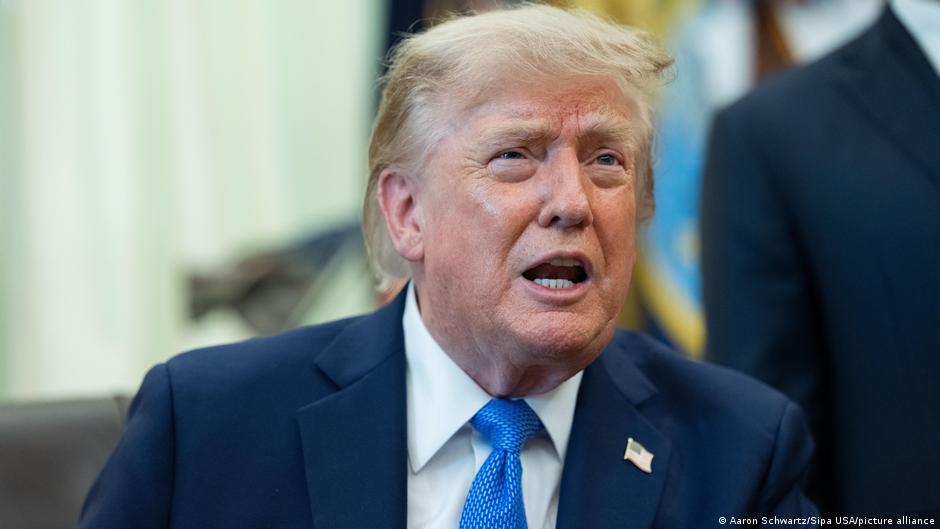
Former President Donald Trump recently voiced concerns over the strain that US military aid to Ukraine is placing on American ammunition reserves. Speaking at a White House briefing on August 6, Trump criticized the Biden administration for depleting US arsenals with aid packages amounting to $300 billion in munitions to Kyiv.
Trump stated, "When I left office, our ammunition stockpiles were full, but now a large portion has been handed over. We are currently restoring these supplies and using powerful and quality munitions that we would not have otherwise deployed." When asked if the US plans to send additional Patriot missile interceptors to Ukraine—a critical component in air defense—Trump responded plainly, "We need those missiles ourselves."
Implications for US Defense Budgets and Consumer Finances
The drawdown of US munitions inventories to support Ukraine’s defense efforts has significant implications beyond military strategy. A reduction in stockpiles necessitates accelerated production and procurement, which can increase defense spending. This uptick in government expenditure may influence federal budget allocations and potentially affect taxpayers through higher taxes or reallocated public funds.
For households, the ripple effects could manifest as tighter budgets or slower growth in savings if fiscal policies adjust to accommodate increased defense outlays. Additionally, greater demand for defense manufacturing can impact commodity prices and labor markets, indirectly influencing consumer prices and wages.
"It is important partners understand these resources are needed here and now, not just for future scenarios," Ukrainian President Volodymyr Zelensky emphasized, calling for immediate support to counter Russian missile attacks.
The urgency of Ukraine’s needs was underscored by President Zelensky following a heavy missile strike on August 1, when 27 out of 35 Russian rockets launched were ballistic missiles. Ukrainian Patriot missile interceptors successfully neutralized only one, highlighting a critical shortage of interceptors and the resulting vulnerabilities in air defense.
While Trump acknowledged that US Armed Forces remain in “good shape” with adequate weaponry, he noted that some of the equipment may not be the most modern but remains effective. This raises questions about how the military balances current operational readiness with the demands of supporting an ally engaged in an intense conflict.
From a financial perspective, everyday investors and consumers should be aware that extended military engagements and the resulting shifts in defense spending can influence currency stability, inflation, and bond yields. The defense sector’s increased activity may buoy certain stocks but also introduce volatility linked to geopolitical risk.
Ultimately, the intersection of international security assistance and domestic economic health highlights the complex trade-offs policymakers face. As the US continues to support Ukraine’s defense capabilities, American households may feel the indirect effects through fiscal policy changes and market dynamics, underscoring the broader impact of global conflicts on personal finances.