Drone Attacks in Russian Regions Raise Concerns for Local Household Safety and Infrastructure
Recent drone strikes in Russia's Kursk and Belgorod regions have caused casualties and disruptions, highlighting risks to civilian properties and everyday life.
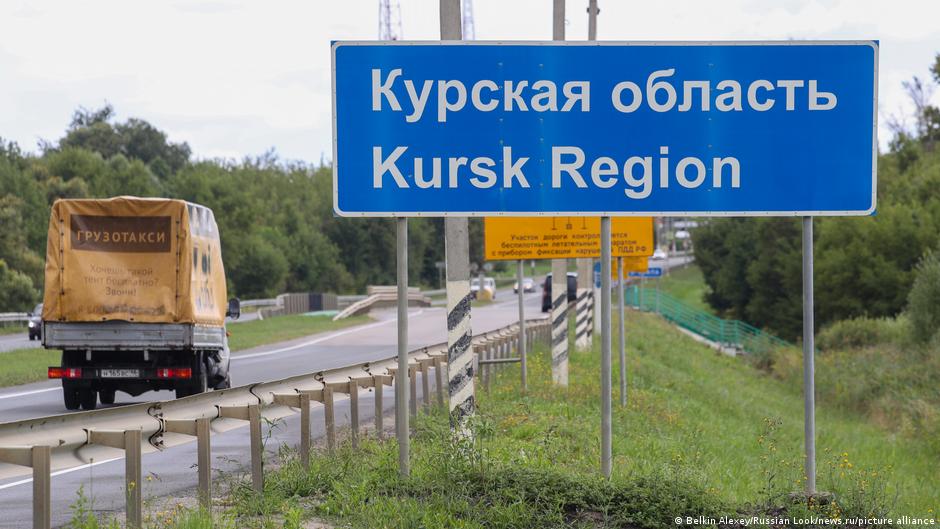
Recent attacks involving unmanned aerial vehicles (UAVs) on Russian territories have resulted in casualties and raised alarms over the safety of civilian households and critical infrastructure. These events underscore emerging risks that could potentially affect local economies, household budgets, and consumer confidence in affected regions.
Impact of Drone Attacks on Households and Local Communities
On August 5, a drone strike hit a private residence in the village of Kozyrevka in the Bolshevolodatsky district of the Kursk region, leading to the tragic death of one person and injuries to six others. This attack on civilian housing brings to light the tangible threat such assaults pose to ordinary households, including damage to property, unforeseen medical expenses, and psychological distress.
Similarly, in the Belgorod region, two individuals were injured due to drone strikes, including a volunteer fighter from the "Orlan" unit, and another man who was wounded when a drone hit his vehicle. The latter sought medical care independently for mine-explosive injuries. These incidents not only strain local healthcare resources but also complicate daily routines and transportation safety for residents.
“The direct targeting of civilian homes and transport raises serious concerns for household safety and the continuity of daily life for residents in these regions,” experts say.
In addition to immediate physical damage and injury, such attacks can undermine consumer confidence and impact financial stability for families. Unexpected costs related to property repair, medical treatment, and potential displacement can disrupt household budgets and savings. Moreover, the uncertainty around security may affect local markets, real estate values, and currency fluctuations in these areas.
Broader Implications for Regional Economies and Everyday Investors
Beyond the immediate human toll, the drone attacks have prompted emergency measures in several regions. Moscow authorities reported the shooting down of three drones targeting the capital, with no reported damages or casualties so far. Meanwhile, Yaroslavl region declared a drone-threat alert, closing transport routes toward Moscow and advising residents to avoid certain travel corridors.
These security precautions can disrupt commuting patterns, supply chains, and commercial activities, which in turn may ripple through local economies. For everyday investors and consumers, such disruptions could mean increased costs for goods and services, inflationary pressures, and volatility in local currency markets.
Households might also experience indirect financial impacts from heightened security expenses, changes in insurance premiums, and the need to allocate resources toward emergency preparedness. These factors collectively challenge the financial resilience of families and communities in affected areas.
As drone technology becomes more accessible, the risk of similar attacks may grow, emphasizing the need for robust civilian protection strategies and contingency planning to safeguard both lives and livelihoods.