Potential Russian Drone Attacks in Baltic Region Raise Concerns Over Household Economic Stability
Lithuanian defense warns of possible drone strikes affecting Baltic infrastructure, with implications for consumer security and financial markets.
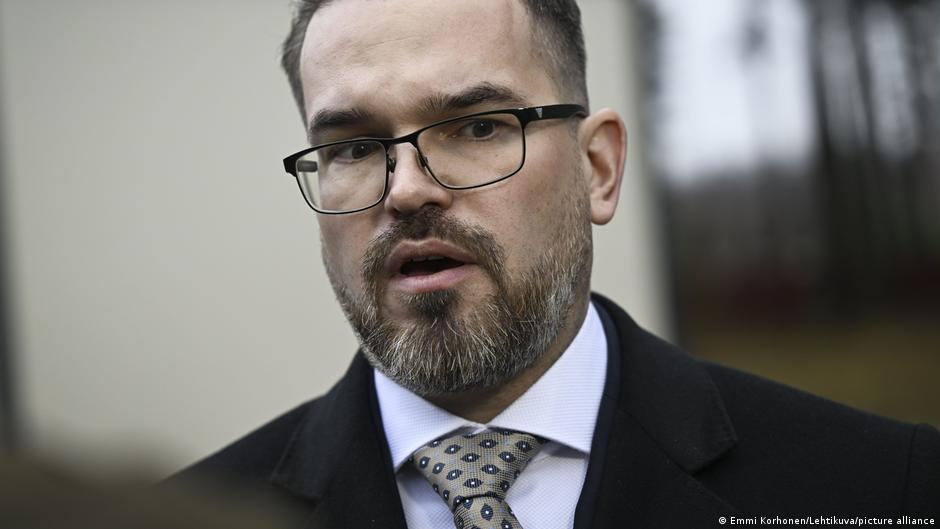
Recent statements from Lithuania’s Minister of Defense have highlighted a growing security concern that could affect household budgets, savings, and everyday investors in the Baltic countries. Russia is reportedly considering attacks on critical infrastructure in the Baltic region using Ukrainian drones captured during the ongoing conflict in Ukraine.
Economic and Consumer Impact of Security Threats in the Baltics
According to Lithuanian intelligence, Russia may deploy seized Ukrainian unmanned aerial vehicles (UAVs) to conduct strikes on vital infrastructure. While the minister emphasized that there is no immediate threat, the prospect of such attacks raises alarms for economic stability in Estonia, Latvia, and Lithuania.
Disruptions to infrastructure such as energy grids, communication networks, or transportation systems could have a direct impact on household expenses. Interruptions in power supply or fuel distribution could lead to higher utility bills and increased prices for everyday goods. This in turn may force families to adjust their budgets, reduce savings, or increase reliance on credit.
Moreover, the heightened security risks contribute to volatility in regional currencies and financial markets. Investors and consumers alike tend to react cautiously when geopolitical risks escalate. For example, the Baltic states have already experienced increased government spending on air defense and electronic countermeasures, which could lead to higher taxes or reallocations of public funds away from social services.
"The use of captured drones aims to undermine trust in Ukraine and weaken NATO’s support, indirectly affecting economic confidence across the region," said the Lithuanian defense minister.
Since the start of the war in Ukraine, Baltic countries have reported frequent airspace violations involving drones from both sides. Many of these UAVs have been forced off course or neutralized by electronic warfare measures, but the repeated incidents have intensified concerns over civilian safety and economic fallout.
Efforts to bolster anti-drone defenses and NATO air patrols have increased significantly. While these measures enhance security, they also represent an additional financial burden for governments, which ultimately trickles down to taxpayers and consumers.
For everyday investors, the situation highlights the importance of diversification and risk assessment in portfolios exposed to the Baltic economies or regional currencies. Household investors should be aware of how geopolitical tensions can influence market dynamics and plan their savings and expenditures accordingly.
In summary, the potential use of drones by Russia against critical infrastructure in the Baltic region extends beyond military concerns. It poses tangible risks to consumer budgets, financial stability, and the broader economic environment that households and investors must navigate carefully.