Drone Attack Sparks Fire at Krasnodar Oil Depot, Impacting Regional Fuel Supply
Fire at Poltavskaya oil base after drone debris fall raises concerns over fuel availability and price stability in Southern Russia.
In the early hours of June 25, a fire broke out at the Poltavskaya oil depot in the Krasnoarmeysky district of the Krasnodar region following an attack involving unmanned aerial vehicles (UAVs). According to local authorities, the blaze was triggered by the debris of a downed drone that struck the facility, causing significant damage to the fuel storage infrastructure.
Alexander Kharitonov, head of the district, confirmed the incident and noted that the road connecting the Poltavskaya settlement and Trudobelikovsky farmstead was temporarily closed due to safety concerns.
Consequences for Fuel Supply and Household Budgets
The Poltavskaya oil depot plays a crucial role in fueling parts of the Krasnodar region and the Republic of Adygea, with a storage capacity of approximately 28 tanks. Reports indicate that three of these tanks caught fire during the attack, potentially disrupting local fuel distribution networks.
"The Poltavskaya oil depot is a regional fuel infrastructure asset, essential for supplying fuel to a substantial population base," sources familiar with the facility highlighted.
For households and everyday consumers in these regions, disruptions to fuel supplies can translate into higher prices at gas stations and increased costs for heating and transportation. Such impacts add strain to family budgets, particularly as energy prices have been volatile amid ongoing geopolitical tensions.
Additionally, the incident underscores the vulnerability of critical infrastructure to military or paramilitary actions, which can have a cascading effect on regional economies and consumer spending power.
Wider Regional Instability and Energy Sector Risks
Alongside the events at Poltavskaya, multiple reports have emerged of drone attacks on energy facilities in annexed Crimea. Facilities such as the Balaklava and Tavricheskaya thermal power stations have been targeted, leading to temporary power outages in cities including Simferopol, Yalta, and areas near Evpatoria. Explosions near the Kacha airfield further highlight the security challenges faced by the region's energy infrastructure.
Such disruptions have immediate consequences for households, with electric outages affecting daily activities and potentially damaging appliances and savings on energy usage.
Ukrainian officials have indicated these operations are part of a broader strategy to pressure Russian forces, with President Volodymyr Zelensky emphasizing the meticulous planning behind these actions and their alignment with international support discussions.
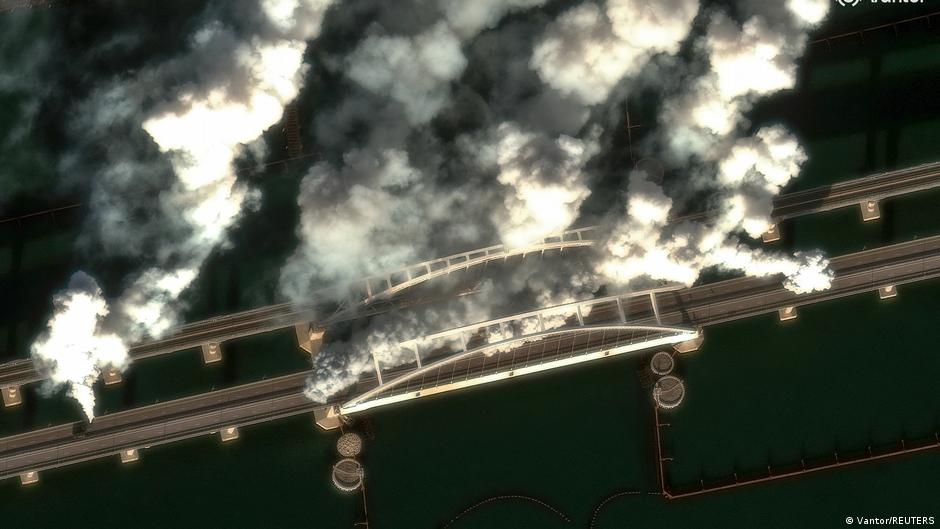
As Russia reallocates air defense assets to protect critical hubs like Moscow and the Crimea bridge, other regions might experience decreased security, increasing the risk of further attacks impacting civilian infrastructure.
For consumers and small investors, these developments highlight the importance of monitoring geopolitical risks and their potential to influence markets, energy prices, and household expenditures.