Impact of Kyiv Attacks on Ukrainian Households: Rising Costs and Financial Strain
Recent missile and drone strikes on Kyiv are worsening living conditions and adding financial burdens to households and local economies.
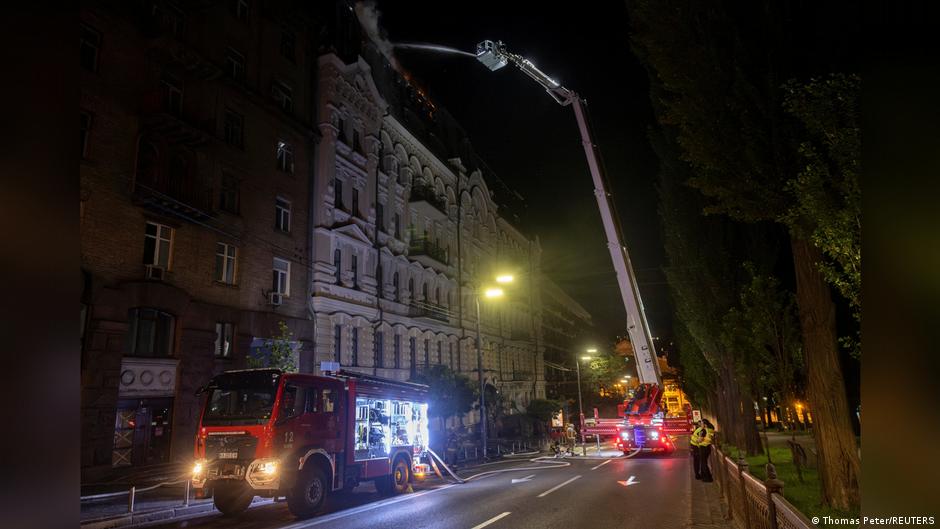
On the night of July 1st, Kyiv experienced a series of missile and drone attacks resulting in five fatalities and 34 injuries. The damage caused by these attacks extends beyond immediate physical destruction to inflict considerable strain on the finances and well-being of ordinary residents.
Economic and Personal Finance Consequences for Kyiv Residents
The attacks targeted residential buildings, emergency services infrastructure, and local businesses. Multiple apartment complexes suffered structural damage, with some residents trapped due to collapsed debris. Fires broke out in several districts, including Shevchenkivskyi, Holosiivskyi, and Desnianskyi, damaging private homes and public facilities such as an ambulance substation.
Vitaliy Klitschko, Kyiv's mayor, highlighted that among the injured are drivers and medical personnel working at the targeted ambulance substation. The destruction of emergency service facilities directly affects the availability and cost of urgent healthcare, potentially increasing out-of-pocket expenses for residents who must seek private alternatives or travel farther for aid.
Damage to housing stock exacerbates the already high cost of accommodation in Kyiv. Repairs and reconstruction will place financial pressure on homeowners and renters alike. Additionally, the damage to commercial properties such as hotels and markets disrupts local commerce, impacting household incomes dependent on these businesses.
Timur Tkachenko, head of Kyiv's military administration, noted that attacks spanned multiple districts, causing widespread disruption. The unpredictability and frequency of these assaults force many residents to seek shelter in underground metro stations for safety. This disruption to daily life affects work attendance, income stability, and increases incidental expenditures such as transportation and emergency supplies.
"The extended period of air raid alerts and damage to infrastructure is forcing many Kyiv residents to spend nights underground, adding to their financial and psychological burdens," said a local economic analyst.
In addition to immediate costs, the attacks undermine consumer confidence and savings. Households may divert funds from savings and investment to cover repairs, medical bills, and safety measures. This reallocation reduces capital available for long-term financial goals, such as education or retirement.
On a macroeconomic level, the attacks contribute to currency volatility. The Ukrainian hryvnia faces downward pressure amid heightened security risks and economic uncertainty, affecting purchasing power and inflation rates. Everyday investors face increased market turbulence, complicating portfolio management and increasing the risk of loss.
President Volodymyr Zelensky had warned of a potential large-scale Russian offensive prior to these events, highlighting the strategic importance of Kyiv and other regions. Intelligence reports indicate focused reconnaissance activities in Kyiv, Dnipro, and surrounding areas, underscoring the prolonged nature of the conflict and its implications for financial stability in affected regions.
For households in Kyiv and beyond, these attacks represent more than physical danger; they threaten economic security, disrupt livelihoods, and impose new challenges on managing personal finances amid ongoing conflict.