US Strikes on Iran Enter Ninth Night Amid Rising Middle East Tensions Impacting Energy Markets
Prolonged US-Iran conflict escalates regional instability, affecting global energy supplies and household fuel costs worldwide.
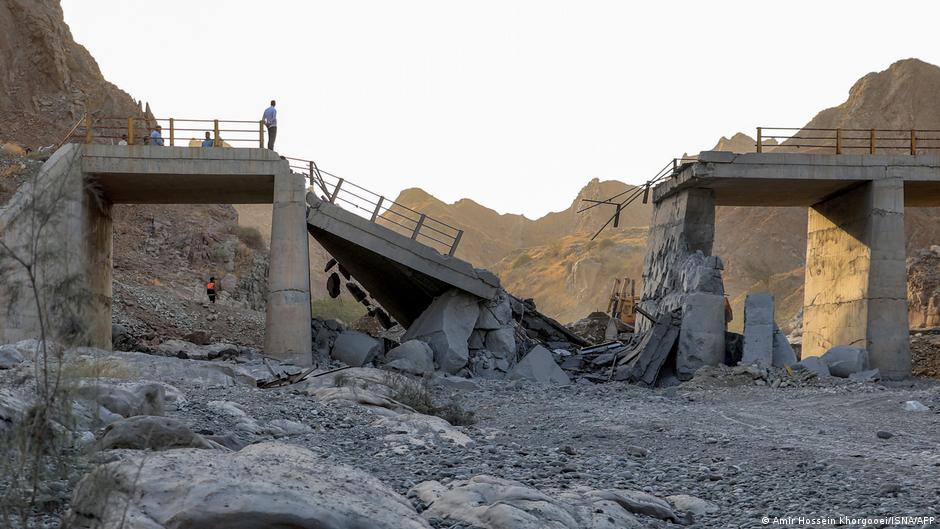
For the ninth consecutive night, the US military has launched airstrikes on Iranian targets following the collapse of a ceasefire between Tehran and Washington. In retaliation, Iran's Islamic Revolutionary Guard Corps (IRGC) has targeted American military installations in Kuwait and Bahrain, intensifying tensions in the volatile Middle East region.
Escalation Adds Pressure on Global Energy Markets and Household Budgets
The renewed US attacks began on July 20 at approximately 2:30 a.m. local Iranian time, according to Central Command (CENTCOM). The stated objective of these strikes is to further degrade Iran’s military capabilities, which US officials claim are used to attack commercial shipping and civilian mariners in the strategic Strait of Hormuz.
“Tonight we struck them very hard again,” stated then-US President Donald Trump, describing the strikes as a response to the deaths of US military personnel in the ongoing conflict. “We did this to honor our fallen soldiers.”
Since this latest escalation, CENTCOM has reported three additional US military fatalities, bringing total US military deaths in the conflict to 17.
Meanwhile, the IRGC reported detaining two oil tankers near the Strait of Hormuz that allegedly attempted to enter or exit the waterway illegally via the southern route. Iranian state media reported explosions aboard these vessels, further underscoring the risks to maritime navigation in the area.
The Strait of Hormuz is a vital chokepoint through which approximately 20% of global petroleum passes. Over the past weekend, maritime traffic through the strait decreased significantly amid rising military confrontations. Data from the London Stock Exchange showed only four ships passed through on July 19 compared to eight on July 18.
Despite disruptions, S&P Global data indicates liquefied natural gas (LNG) production in Qatar and the United Arab Emirates remains relatively stable. However, the volume of LNG tankers waiting to transit the Persian Gulf has increased, with nearly 1.9 million tons of LNG currently stored on ships in the region awaiting passage.
For households globally, the escalation exacerbates energy price volatility. With supply uncertainties in a major oil transit corridor, consumers can expect upward pressure on gasoline, heating fuel, and natural gas prices, straining household budgets and savings.
Everyday investors and consumers reliant on energy commodities markets may also face increased market fluctuations. The precarious security situation underlines the sensitivity of energy prices to geopolitical events, emphasizing the need for diversified energy sources and prudent financial planning.
As the conflict persists, monitoring the implications on fuel prices and energy supply chains becomes essential for households and investors alike to mitigate financial risks associated with global geopolitical instability.