US May Impose Transit Fees on Strait of Hormuz Amid Iran Deal Uncertainty
Potential US fees for Strait of Hormuz passage could impact oil prices, household budgets, and currency markets.
The United States has signaled a possible introduction of fees for ships passing through the strategically vital Strait of Hormuz if a deal with Iran falls through, a move that could ripple through global oil markets and affect household finances worldwide.
Implications for Global Oil Supply and Consumer Costs
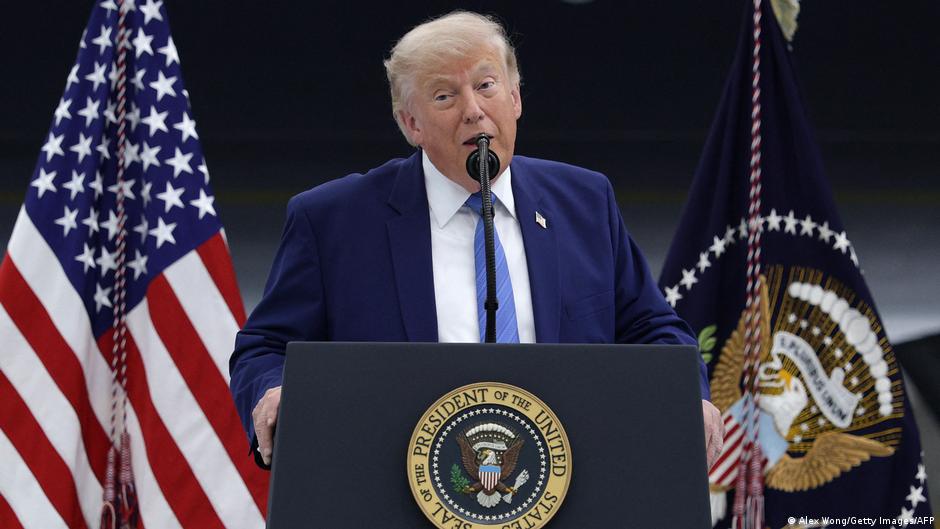
On June 20, US President Donald Trump announced on the social platform Truth Social that the US might charge for the passage through the Strait of Hormuz, a crucial chokepoint for global oil shipments, if negotiations with Iran collapse. This fee would be framed as compensation for Washington's role as a "guardian angel" for Middle Eastern countries, providing security services in the region.
Trump clarified that no such fees would be levied during a 60-day ceasefire period with Iran, emphasizing that charges would only come into effect if agreements are violated. This prospective charge could increase shipping costs for oil tankers transiting the strait, potentially leading to higher global oil prices.
The Strait of Hormuz is a narrow passage through which approximately 20% of the world's petroleum passes. Any disruptions or additional costs here often translate into volatility in oil prices. Since oil prices heavily influence transportation, heating, and electricity costs, increases can strain household budgets worldwide, elevating inflationary pressures.
"Increased fees at the Strait of Hormuz risk driving up oil prices, which directly affect consumer costs for fuel and goods," said an energy market analyst.
Rising oil prices can erode disposable incomes, particularly hurting everyday consumers who face higher costs for commuting, heating, and food production. For many households, this can reduce savings rates and increase financial stress.
Recent Developments and Regional Tensions
Following President Trump's earlier directive, the US lifted a blockade of the Strait of Hormuz, with a record 12.5 million barrels of oil passing through on June 18, according to US Vice President James David Vance. Notably, Iran refrained from attacking ships for two consecutive nights, signaling a temporary easing of tensions.
However, tensions quickly resurfaced. On June 20, Iran announced a new ban on ship passages through the strait in response to Israeli military strikes in southern Lebanon, which Tehran views as a breach of the June 17 ceasefire agreement with the US. Iran's military command warned that further aggression would prompt additional measures to compel adherence to the agreement.
This back-and-forth highlights the fragility of peace efforts in the region and the potential for disruption of oil flows. Over just three days of the ceasefire, between 60 and 80 vessels transited the strait, compared to roughly 100 daily during peaceful times.
Currency and Investment Market Effects
Beyond direct consumer impacts, uncertainty around Strait of Hormuz access and related fees could unsettle currency markets. Countries heavily dependent on oil imports may see their currencies weaken due to rising import costs, while oil-exporting nations might experience currency appreciation.
For everyday investors, increased geopolitical risk can translate into volatility in energy stocks and commodities markets. Those with exposure to these sectors should be prepared for potential price fluctuations.
In sum, while the US government's potential imposition of fees for Strait of Hormuz passage aims to leverage geopolitical influence, the downstream effects on oil prices, household budgets, currencies, and investment portfolios warrant close attention from consumers and investors alike.