Ukrainian Security Service Targets Russian Energy Infrastructure, Impacting Global Fuel Markets
A 40-day campaign by Ukraine's Security Service strikes over 100 strategic Russian sites, including key fuel and logistics hubs, with implications for household budgets and energy prices.
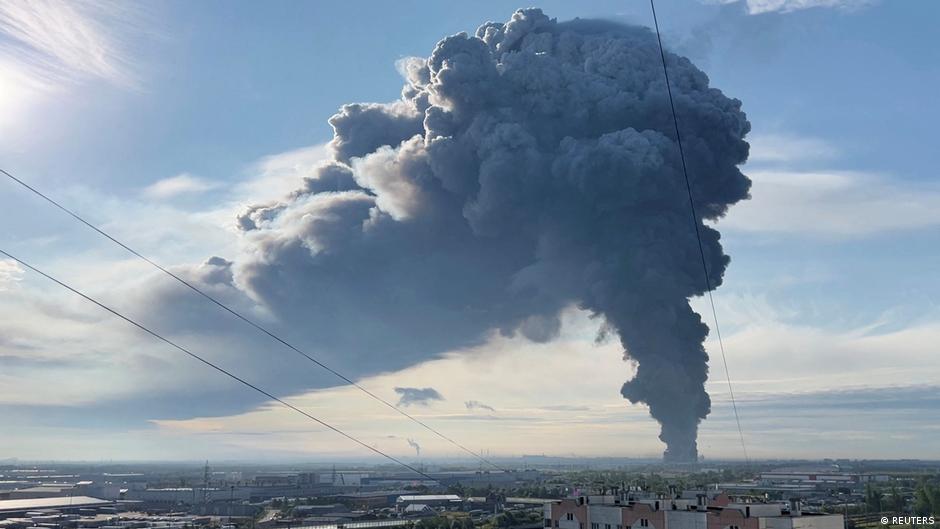
The Ukrainian Security Service (SBU) has reported a 40-day operation aimed at pressuring Russia to cease hostilities, striking more than 100 strategic targets within Russia and occupied Ukrainian territories. This campaign has included attacks on critical components of Russia's fuel and energy infrastructure, affecting global energy supplies and, by extension, consumer budgets worldwide.
Impact on Fuel Markets and Household Budgets
Ukraine's campaign, approved by President Volodymyr Zelensky on June 25, focused heavily on undermining Russia's military and economic capacity. The SBU revealed that strikes targeted 14 Russian oil refineries, dozens of oil depots, pumping stations, terminals, and even an oil extraction platform. Several sanctioned oil tankers and cargo vessels, including Blue, Louise 1, Banda, and Avero, were also hit as part of the operation.
"The 40-day campaign aimed to simultaneously weaken key elements of Russia's military machine," the SBU said, emphasizing ongoing efforts to reduce Russia's military-economic potential.
These attacks have disrupted the flow of Russian oil and refined products, contributing to volatility in global fuel prices. For consumers in Europe and beyond, this translates into higher gasoline and heating costs, tightening household budgets and increasing the cost of everyday goods and services.
Since fuel prices are a major component of transportation and production costs, the ripple effect can be seen in rising prices for food, consumer goods, and utilities. For households already facing inflationary pressures, these developments may reduce disposable income and complicate financial planning.
Additionally, fluctuations in the value of the Russian ruble and related currencies have heightened uncertainty for investors and savings holders in the region. The destabilization of key energy assets may also influence global currency markets, affecting currency exchange rates relevant to international trade and remittances.
Broader Economic and Investment Implications
With nearly 21,000 military targets destroyed and close to 5,000 Russian soldiers killed, the scale of this operation signals a prolonged strategic effort rather than a short-term military tactic. The degradation of Russia's energy export capacity could lead to longer-term shifts in global energy supply chains, prompting investors to reassess risks in energy markets and related sectors.
For everyday investors, this environment underscores the importance of diversification and risk management in portfolios. Energy stocks, currency holdings, and commodities markets are likely to remain volatile while the conflict persists and military operations continue.
President Zelensky, in coordination with acting head of the SBU General Major Alexander Poklad, has authorized the continuation of similar operations, indicating that pressure on Russia's economic infrastructure will persist.
In summary, the ongoing Ukrainian campaign against Russian strategic targets, especially in the energy sector, has significant consequences for consumers worldwide. Higher fuel costs and economic uncertainty stemming from these strikes highlight the interconnectedness of geopolitical conflict and personal finances.