Recent Russian Missile Strikes on Kyiv and Region Cause Civilian Casualties and Damage
Renewed attacks strain Ukraine's air defense and raise concerns over impacts on household security and local economies.
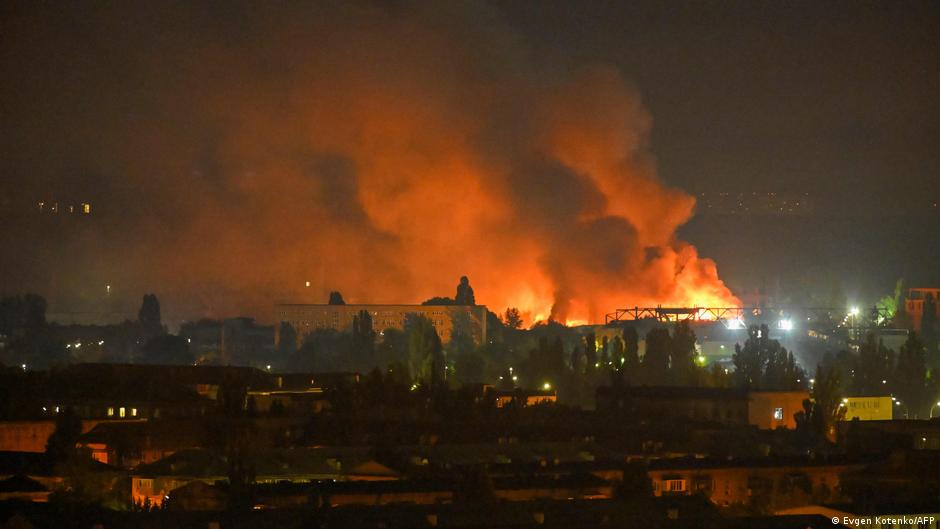
On the night of August 5, Russian forces launched a fresh series of ballistic missile strikes targeting Kyiv and surrounding oblasts, resulting in civilian casualties and significant property damage. The intensified attacks have compounded challenges for Ukrainian air defenses, especially given a shortage of Patriot missile systems critical to intercepting such threats.
Impact on Civilians and Local Infrastructure
The missile barrage struck multiple districts within Kyiv, including Obolonsky, Desnyansky, and Holosiivskyi, as well as one suburban area. Fires broke out in several locations, and a private residential home was destroyed in the Holosiivskyi district, with concerns that people may be trapped under the rubble.
According to initial reports from Kyiv's city military administration, the attacks claimed one life in the capital and injured at least 12 others. The State Emergency Service of Ukraine reported a total of 15 injured in the city limits.
Damage extended beyond Kyiv city into nearby districts such as Buchansky, Brovarsky, and Fastivsky. The Kyiv Oblast military administration noted one fatality in Buchansky district and a total of 21 civilians injured across the oblast. Specifically, 13 individuals were wounded in Brovarsky, three in Fastivsky, and five additional injuries reported in Buchansky. Fires were ignited at logistics centers, warehouses, industrial enterprises, and commercial facilities, adversely affecting local business operations.
"The increased missile attacks not only threaten lives but disrupt critical supply chains and local economies that many households depend on," noted a regional official.
These damages have direct financial implications for households, from emergency expenses and medical costs to disruptions in employment and access to goods and services. The destruction of logistics infrastructure particularly impacts consumer availability and prices, compounding pressures on household budgets already strained by wartime conditions.
Broader Military Context and Challenges for Air Defense
Simultaneously, Ukrainian armed forces reported missile and drone strikes across several other oblasts, including Odesa, Zaporizhzhia, Dnipropetrovsk, Kharkiv, and Mykolaiv, highlighting a widespread attack campaign.
Since the onset of the full-scale war, Russian military tactics have heavily relied on ballistic missiles and unmanned aerial vehicles (UAVs) to target urban and strategic sites. On August 4, Ukrainian air forces detected an "Iskander-M" ballistic missile launched from Russia's Rostov region and an attack involving 136 combat drones, with Ukrainian defenses unable to intercept the ballistic missile.
Ukrainian President Volodymyr Zelensky has previously emphasized that the increased frequency of these attacks is partly due to a shortage of Patriot missile systems, which are vital for countering ballistic missile threats. This shortfall places additional strain on Ukraine’s defense capabilities, risking more damage to civilian infrastructure and greater costs to households forced to absorb the fallout.
For everyday investors and consumers, the ongoing missile assaults could lead to increased inflationary pressures through supply chain disruptions and higher security-related expenditures. Ukrainian families face heightened uncertainty, not only regarding immediate safety but also the stability of their economic circumstances amid protracted conflict.