Russia Simplifies Citizenship Process for Transnistrian Residents, Impacting Household Finances
New Russian decree eases citizenship rules for Transnistria residents, affecting currency stability and personal financial planning.
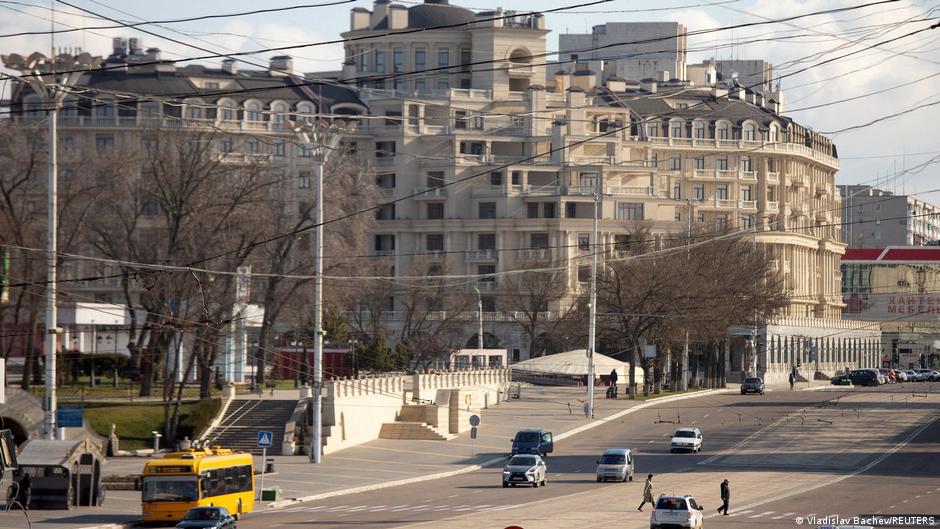
Russian President Vladimir Putin has signed a decree simplifying the process of granting Russian citizenship to residents of the self-proclaimed Transnistrian Moldovan Republic (PMR), a move with potential implications for household budgets, savings, and everyday investors in the region.
Published on May 15, the decree removes the requirement for adult applicants from Transnistria to pass Russian language and history exams, streamlining access to Russian passports. Additionally, the decree allows orphans in Transnistria to obtain Russian citizenship through guardians’ applications.
Implications for Households and the Local Economy
Transnistria is an internationally unrecognized territory located on the left bank of the Dniester River within Moldova's borders. It declared independence in 1990 but remains unacknowledged by any United Nations member states. Hosting a contingent of Russian troops, the region’s population is estimated at approximately 470,000, with over 220,000 reportedly holding Russian citizenship.
For households in Transnistria, easier access to Russian citizenship could influence financial decisions in several key ways. First, obtaining Russian passports may provide residents with greater mobility and access to Russian financial and social services, potentially stabilizing personal finances amid local uncertainties.
Moreover, as Russia’s ruble remains a dominant currency in the region, the decree may reinforce currency ties, impacting savings and everyday transactions. For everyday investors, expanded citizenship rights could open new investment opportunities within Russia’s financial markets, offering alternatives to local economic constraints.
"Simplified citizenship access may encourage residents to diversify assets and consider cross-border financial planning," financial analysts suggest.
However, the geopolitical status of Transnistria as an unrecognized state continues to present risks, including fluctuating political stability and regulatory environments that could affect currency values and investment returns. Households should remain vigilant and consider these factors when making long-term financial plans.
Overall, the decree reflects Russia’s growing influence in the region, which could translate into deeper economic integration and shifting dynamics for consumer finances, savings security, and currency use among Transnistrian residents.