EU May Withhold €1.5 Billion in Funding from Serbia Amid Democratic Concerns
Serbia risks losing crucial EU financial support due to democratic backsliding, impacting reforms and regional integration efforts.
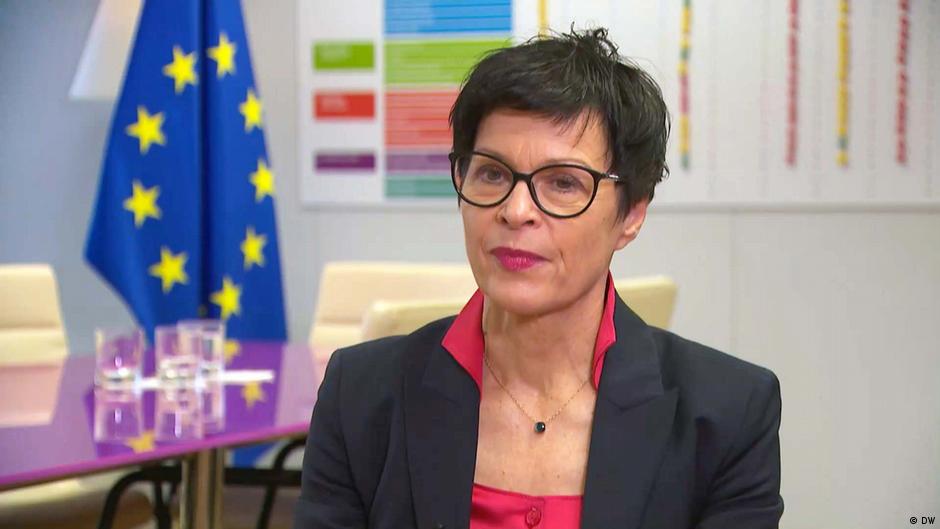
Serbia faces the prospect of losing up to €1.5 billion in European Union funding earmarked for reform support and euro-integration, as concerns mount over the country's democratic trajectory. EU Commissioner for Enlargement, Marta Koc, announced this potential financial suspension amid observed democratic shortcomings during recent municipal elections and legislative changes undermining judicial independence.
Impact on Serbia's Reform Funding and Household Economics
The financial assistance from the EU plays a significant role in Serbia’s ongoing reform agenda, which aims to align the country closer to European standards and ultimately secure EU membership. Approximately €1.5 billion remains at risk, following an initial disbursement of around €100 million already received by Belgrade. This funding supports institutional reforms, judicial independence, media freedom, and democratic governance — all critical to Serbia’s political and economic stability.
For Serbian households, the withholding of EU funds could translate into slower economic growth, reduced public investments, and diminished prospects for foreign investment inflows. These effects may tighten public budgets and limit improvements in infrastructure and public services, indirectly affecting consumer confidence and household financial health.
Commissioner Koc highlighted several issues contributing to the EU’s concern, including changes in judicial legislation that weaken the judiciary’s autonomy, suppression of protests, and systematic interference with independent media outlets. These developments are viewed as antithetical to democratic norms and are jeopardizing the disbursement of crucial EU support.
"We are increasingly concerned about developments in Serbia," said Commissioner Marta Koc, stressing the EU’s ongoing assessment of Serbia’s compliance with reform conditions needed to access funds.
The European Commission is expected to issue a detailed assessment of Serbia’s progress and compliance in the coming weeks. Until then, the status of the remaining funds remains uncertain.
Broader Implications for Regional Stability and Currency Markets
The EU’s cautious stance comes amid heightened geopolitical tensions following Russia’s invasion of Ukraine. The EU has intensified integration efforts with Western Balkan countries like Serbia, partly to prevent regional destabilization driven by external influences.
Despite Serbia’s official commitment to European integration, the country maintains close ties with Russia. This includes President Aleksandar Vučić’s attendance at the 2025 Victory Day celebrations in Moscow alongside Vladimir Putin and Serbia’s refusal to impose sanctions on Russia. These political dynamics contribute to EU doubts about Serbia’s alignment with European values and policies.
From a financial perspective, any delay or reduction in EU funding could also impact the Serbian dinar, potentially leading to currency volatility which affects import prices and inflation. This, in turn, influences everyday consumers and investors, as costs of goods and services fluctuate and investment risk perceptions shift.
For everyday investors, the uncertainty surrounding Serbia’s EU funding and political stability presents cautionary signals. It may affect market confidence in Serbian assets and regional financial markets, prompting reassessments of risk and investment strategies.
In summary, the EU’s potential withholding of €1.5 billion in support to Serbia due to democratic concerns poses significant challenges not only for Serbia’s reform agenda and EU accession prospects but also for household budgets, consumer prices, currency stability, and investor confidence in the region.