Tashkent Markets Show Mixed Profits in 2025, Impacting Local Household Budgets
Major farmers' markets in Tashkent reported significant profit shifts in 2025, with some markets booming while others declined, affecting consumers and small investors.
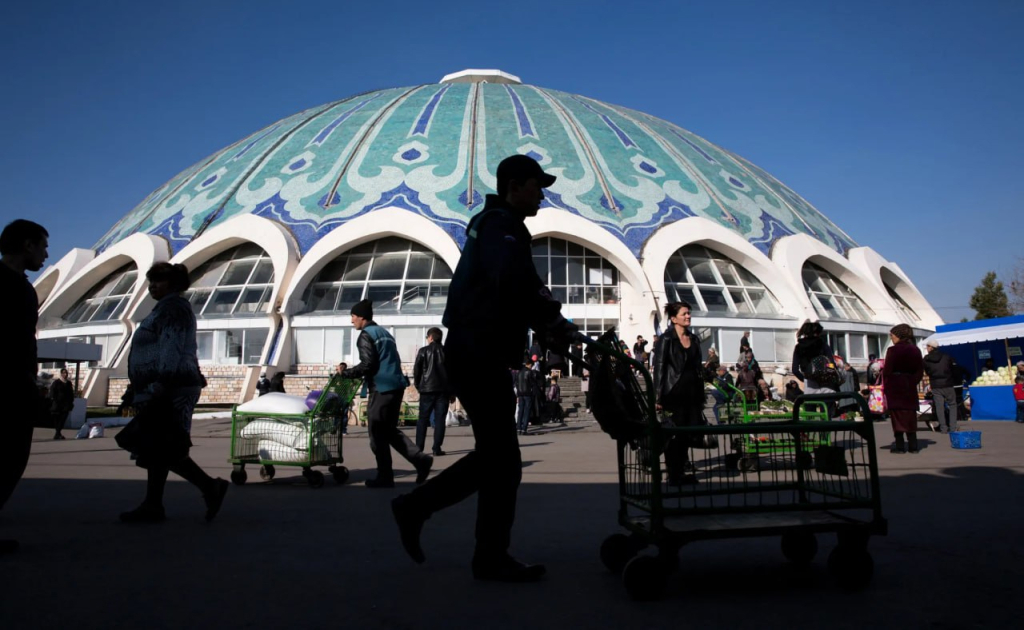
In 2025, the agricultural and automotive markets of Tashkent experienced notable profit fluctuations that have important implications for household budgets and everyday investors in the region. While many farmers' markets saw increased profitability compared to the previous year, some markets registered sharp declines, underscoring how local market dynamics can directly influence consumer prices and savings.
Profit Leaders and Laggards Among Tashkent Markets
The "Askiya" farmers' market emerged as the most profitable in 2025, generating 7.95 billion Uzbekistani soms in net profit. This is a dramatic rise from just 4.1 million soms in 2024, indicating a robust recovery and growth trajectory. Such a surge can lead to more competitive pricing and greater variety for consumers who rely on this market for fresh produce.
Following closely, the "Mirobod" farmers' market posted a profit of 6.2 billion soms — an increase of 1.8 billion soms year-on-year. This growth exemplifies the expanding market demand and efficient operations that could stabilize food prices and benefit household spending.
Completing the top three, the "Farhod" market recorded 3.7 billion soms in profits, with "Chorsu" market not far behind at 3.1 billion soms. Meanwhile, the "Yunusobod" farmers' market maintained steady financial performance with a slight profit increase of 50 million soms, totaling 2.6 billion soms.
"The varied performance of these markets highlights the complex economic environment affecting everyday consumers and investors," says a local economist.
Contrasting these gains, the "Qo‘yliq" farmers' market suffered a substantial profit decline, dropping by 1.6 billion soms to a mere 557.3 million soms. This contraction could signal challenges such as reduced consumer demand or operational inefficiencies, potentially leading to higher prices or limited produce availability in that area.
Beyond the farmers' markets, the "Sergeli" automotive market achieved exceptional financial results, boasting a net profit of 18.85 billion soms in 2025. This growth not only reflects increased vehicle sales but also impacts related sectors such as automotive services and financing, which could affect household expenditures and investment opportunities.
What This Means for Consumers and Investors
The fluctuations in market profits directly influence the cost and availability of goods for Tashkent’s residents. Higher profits in key farmers' markets generally translate to improved supply chains and potentially lower retail prices, easing pressure on household food budgets. Conversely, profit declines may lead to higher costs or reduced product variety, affecting consumer choices and savings.
For local investors and small businesses, these market trends highlight the sectors with growth potential and those facing headwinds. The automotive market’s strong profits suggest opportunities for investment and expansion, while struggling markets like "Qo‘yliq" warrant caution and possible intervention to stabilize operations.
Given Uzbekistan’s ongoing economic development, understanding localized market performance is crucial for managing personal finances and making informed investment decisions. Consumers and investors alike should monitor these profit trends as indicators of broader economic health and cost of living changes in the capital.
Based on reporting by Deutsche Welle.