Russian Attacks on Ukrainian Cities Impact Civilians and Raise Economic Concerns for Households
Recent missile strikes on Ukrainian urban areas cause casualties and infrastructure damage, affecting household stability and financial outlook.
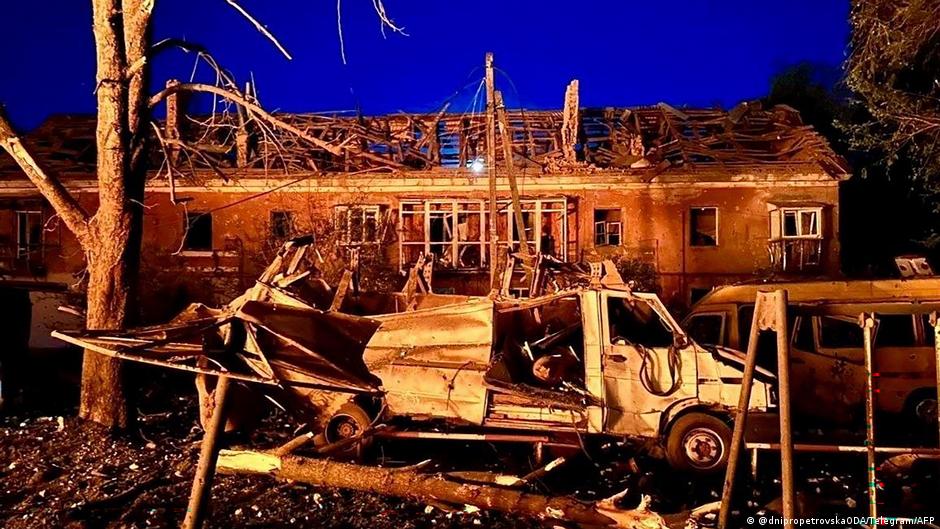
In the early hours of June 2, Russia launched a series of missile and drone attacks targeting multiple Ukrainian cities, resulting in civilian casualties and significant damage to residential areas. These attacks come amid escalating tensions after a recent Ukrainian strike on the Russian-annexed Luhansk region was described by President Vladimir Putin as having given the conflict a "new quality."
The Ukrainian Air Force reported that Russian forces fired cruise missiles, including Kalibr missiles launched from the Caspian Sea, targeting urban centers. The strikes inflicted damage on critical infrastructure, exacerbating challenges for ordinary citizens already grappling with the economic consequences of ongoing conflict.
Casualties and Infrastructure Damage Affect Household Budgets
According to Vitali Klitschko, the mayor of Kyiv, four people were killed and 51 wounded during the attacks in the capital. Among the wounded, 35 were hospitalized. Power outages affected three districts of Kyiv, further disrupting daily life and adding financial strain on affected families who face unexpected expenses for repairs and alternative accommodations.
In Podilskyi district, debris from a downed missile landed on the roof of a residential building, causing a fire and breaking windows, as reported by Timur Tkachenko, head of Kyiv's military administration. Such damage not only threatens physical safety but also burdens household finances with repair costs.
In Dnipro, five people died, including a 73-year-old woman, and 25 were injured following Russian missile strikes, according to Alexander Ganja, head of the regional military administration. One of the strikes ignited a fire in a residential neighborhood, adding to displacement concerns and property damage expenses.
Similarly, six people, including an 11-year-old girl, were injured in missile attacks on two districts of Kharkiv, the region’s military administrator Igor Terekhov confirmed on social media.
“The ongoing missile strikes not only threaten lives but also severely impact the economic security and stability of households across affected regions.”
The repeated targeting of civilian areas disrupts the provision of essential services such as electricity and heating, particularly concerning as summer utility bills can rise sharply when residents resort to alternative cooling or heating methods due to outages. Furthermore, damaged homes and local infrastructure mean additional out-of-pocket expenses for families, straining already stretched budgets.
Broader Economic Implications for Households and Investors
Beyond direct damage, these attacks have ripple effects on household savings and currency stability. Uncertainty caused by the conflict can lead to currency fluctuations, reducing the value of savings held in hryvnias and complicating financial planning for everyday Ukrainians.
For everyday investors and savers, increased volatility in financial markets may limit opportunities and increase risks. The destruction of commercial and industrial assets further depresses economic activity and tax revenues, potentially leading to inflationary pressures that erode purchasing power.
President Volodymyr Zelensky had warned on June 1 of a possible mass Russian strike on Ukrainian cities, underscoring the ongoing threat to civilian and economic security. This follows a significant attack on Kyiv and surrounding areas on May 24, which killed two people and injured 80, using new types of missiles including the "Oreshnik."
As the conflict continues, the socio-economic toll on households grows, highlighting the intersection between security and personal finance. Families must navigate the challenges of rebuilding, rising living costs, and protecting their savings amidst the uncertainty.