Russia Threatens Armenia with Higher Tariffs and Work Restrictions Amid Eurasian Union Rift
Putin warns Armenia of increased energy and transport costs and job permit requirements if it leaves the Eurasian Economic Union.
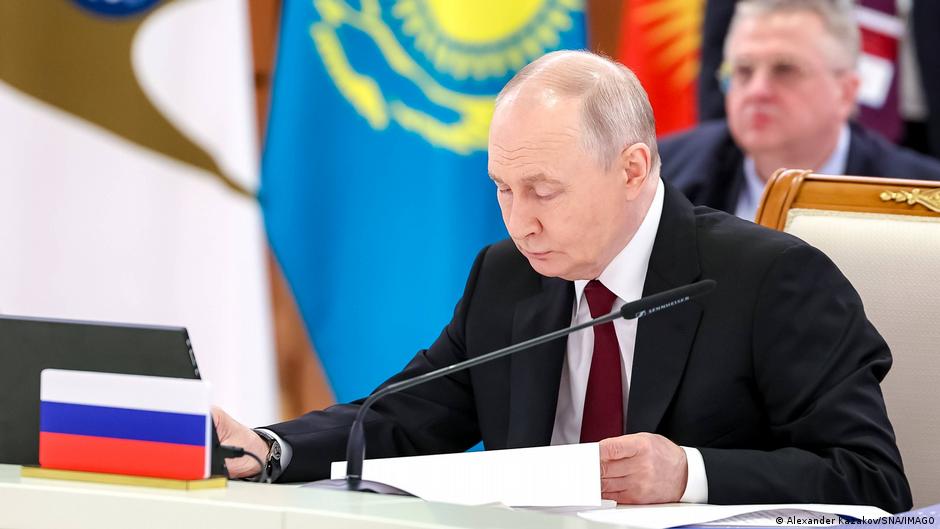
Russian President Vladimir Putin has issued a stern warning to Armenia regarding potential economic consequences if the country chooses to leave the Eurasian Economic Union (EAEU). Speaking after a summit in Astana on May 29, Putin indicated that severing ties with the EAEU would result in increased tariffs on railway transportation and energy supplies, directly impacting Armenian households and businesses.
Implications for Armenian Households and Workers
Putin stated, "If Armenia begins to shift toward EU standards, we will have to end all economic integration with them. Who will buy their products? Where will Armenian wine go?" He further explained that tariffs on railway freight for Armenia would have to rise, and prices for energy resources would similarly increase. These measures would inevitably raise the cost of living and doing business in Armenia, placing added pressure on household budgets and inflation.
Moreover, Putin announced that Armenian citizens working in Russia would need to obtain work patents, a requirement that currently applies to many migrant workers from non-EAEU countries. This change threatens to reduce income streams for Armenian families reliant on remittances from laborers in Russia.
"If Armenia begins to shift toward EU standards, we will have to end all economic integration with them," Putin warned, highlighting the economic risks of departing the EAEU.
This political and economic pressure comes amid Armenia's increasing rapprochement with the European Union and upcoming parliamentary elections scheduled for June 7. Russia's leverage over Armenia includes bans on imports of key Armenian products such as mineral water, vegetables, and brandy, and threats to terminate duty-free supplies of petroleum products, natural gas, and uncut diamonds.
Broader Context and Geopolitical Tensions
Putin drew parallels between Armenia’s situation and the crisis with Ukraine, claiming that Ukraine’s attempt to join the EU triggered a broader conflict. He urged Armenia to hold a referendum to decide between continuing EAEU membership or pursuing integration with the EU, reflecting the bloc's hardline stance. Officials from EAEU member states Belarus, Kazakhstan, and Kyrgyzstan have also called for such a referendum.
In his press conference, Putin dismissed claims by the EU that Russia is preparing for war against it as "nonsense and lies," denouncing media reports as "mass manipulation." To underline his point, he quoted a phrase often misattributed to Nazi propaganda minister Joseph Goebbels but actually from Adolf Hitler's Mein Kampf, saying, "The bigger the lie, the more people will believe it." This rhetoric underscores the heightened information warfare accompanying the economic and political disputes.
For Armenian consumers and investors, the looming tariff hikes and restrictions pose risks of rising costs for everyday goods and energy, potentially squeezing household savings and dampening economic confidence. Currency volatility could follow as political uncertainty increases, while businesses face challenges in export markets and supply chains.
Overall, the intensifying rivalry between Russian-led Eurasian integration and European aspirations places Armenian households and the broader economy under significant strain as the nation navigates a complex geopolitical crossroads.