Germany Restricts Military Museum Access for Uzbek Citizens Amid Security Concerns
Visitors from Uzbekistan face entry bans to a major German military museum, reflecting broader security policies affecting Central Asian travelers.
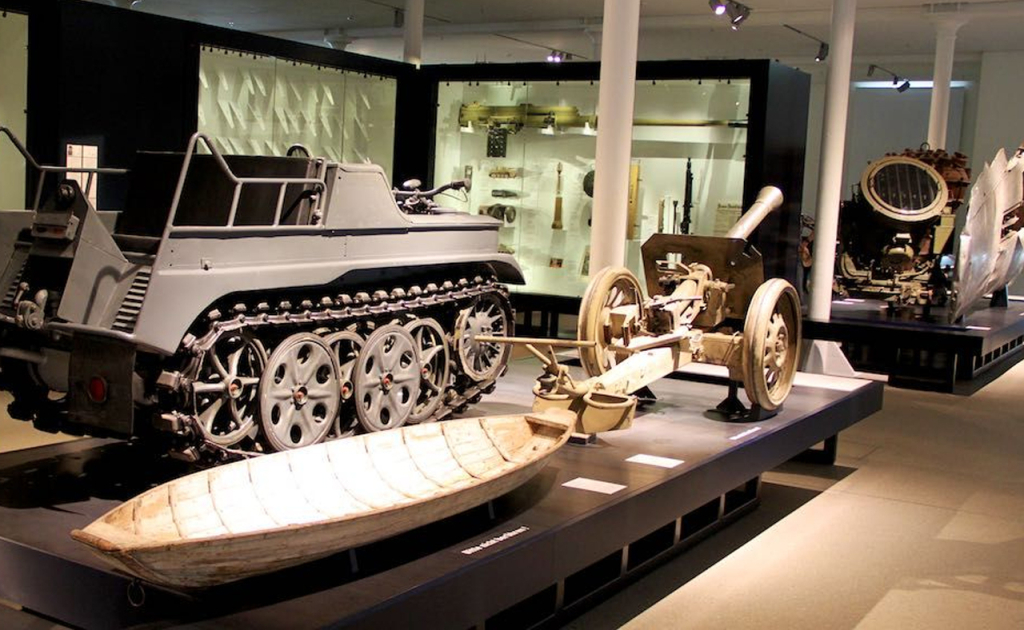
Starting March 2024, citizens of Uzbekistan have been barred from entering the Bundeswehr Military Technology Museum in Koblenz, Germany. This restriction is part of a wider security-driven policy that limits access for nationals from several countries, including other Central Asian states.
Security Measures Impacting Visitors from Central Asia
The museum's administration stated that the entry restrictions comply with Germany's security legislation, specifically under regulations related to "trustworthiness checks." Alongside Uzbekistan, visitors from Kazakhstan, Kyrgyzstan, Turkmenistan, Tajikistan, and several other nations such as Afghanistan, China, Iran, Pakistan, and Syria have been similarly affected.
"These measures are implemented solely to ensure the security of the museum's collections and visitors," a museum spokesperson explained.
Visitors are required to present valid identification upon entry, and the ticket price remains 3 euros. However, for citizens from the restricted countries, access is no longer permitted, effectively excluding them from viewing one of the world's most extensive collections of military technology.
Economic and Personal Finance Implications for Travelers
For Uzbek travelers and nearby residents, such restrictions bear tangible consequences on personal finances and travel plans. Germany is a popular destination for leisure and educational tourism, and access to cultural sites like the Bundeswehr museum often factors into trip budgeting and itinerary planning.
With the museum off-limits, potential visitors might need to adjust travel expenses, redirect plans to other destinations, or face lost opportunities for cultural enrichment. Those who had previously saved or budgeted with the museum visit in mind may find these funds have to be reallocated, impacting household savings and discretionary spending.
Moreover, these restrictions could influence the value perception of the euro relative to Central Asian currencies, as decreased travel flow may affect currency exchange demand patterns. Everyday investors, especially those engaged in travel-related sectors or currency trading, may also observe second-order effects stemming from these geopolitical and security-driven entry limitations.
About the Bundeswehr Military Technology Museum
Located in Koblenz, the Bundeswehr Military Technology Museum holds one of the largest collections of military hardware worldwide. Its exhibits range from World War I artifacts to modern combat vehicles, including iconic tanks such as the FT-17, Leopard 1, and Leopard 2, as well as NATO prototype models.
The museum showcases a variety of military equipment including firearms, artillery systems, and armored vehicles, offering visitors a comprehensive understanding of military technological evolution.
The exclusion of certain nationalities from visiting this institution highlights the intersection of security policy with cultural and educational access, illustrating how geopolitical considerations can directly impact individual and household finances through altered travel opportunities.
Based on reporting by Deutsche Welle.