Uzbek-Afghan Business Deals Total $300 Million Amid Growing Trade Ties
New trade agreements between Uzbekistan and Afghanistan open avenues for consumer goods, impacting household budgets and investment opportunities.
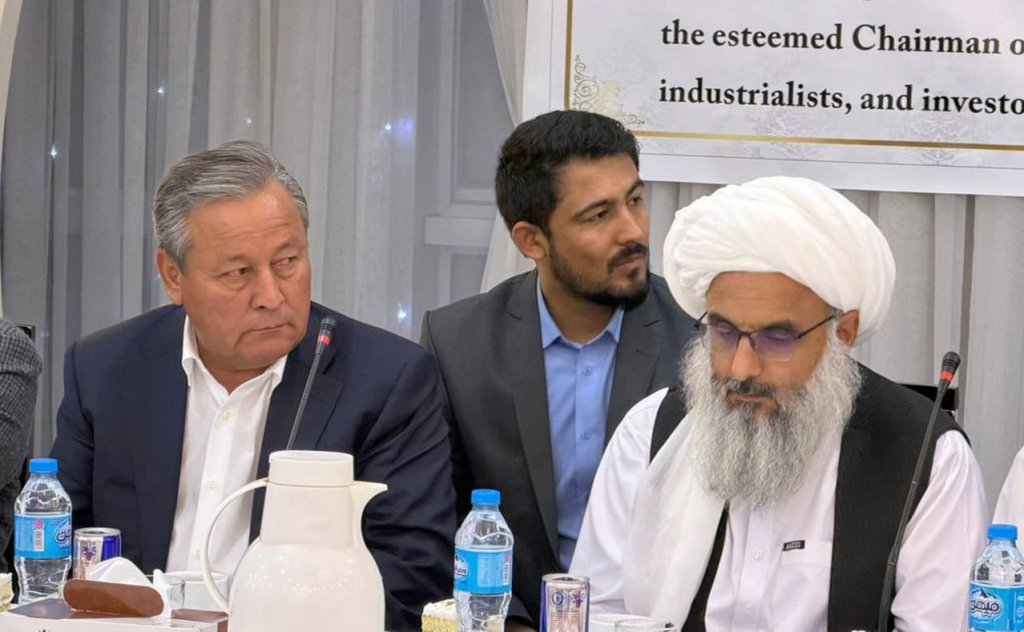
In a significant boost to regional trade, entrepreneurs from Uzbekistan and Afghanistan have signed contracts worth $300 million following a business forum in Herat city. The event coincided with the opening of the Andijan Trade House in Herat, marking a new chapter in economic cooperation between the two neighboring countries.
Expanding Trade and Its Impact on Consumers
The delegation from Andijan province, led by Governor Shuhrat Abdurahmonov and Chamber of Commerce and Industry Chairman Davron Vahobov, included 110 local businesspeople who engaged with Afghan counterparts to explore new commercial opportunities. The forum addressed key issues affecting trade facilitation, such as simplifying visa procedures, improving payment settlements, and easing the exchange of pharmaceuticals.
"Such cooperation platforms open wide doors of opportunity for entrepreneurs," said Nur Ahmad Islomjar, Governor of Herat province, highlighting the potential benefits for local businesses and consumers alike.
The agreements encompass ten sectors and cover over 200 types of products, including agricultural goods and cement, which are vital to both nations' economies. By broadening logistics and trade channels, these deals are expected to increase product availability and potentially stabilize prices for everyday consumers.
For Uzbekistan and Afghanistan households, this closer trade relationship could translate into greater access to diverse goods, including essential medicines and construction materials. Improved logistics and streamlined customs processes may reduce costs, easing pressures on household budgets and saving consumers money.
Implications for Savings, Currency Exchange, and Investors
The enhancement of mutual payment mechanisms discussed at the forum suggests a move toward more efficient currency exchanges and financial settlements between the two countries. For everyday investors and businesses, this could mean reduced transaction costs and increased confidence in cross-border ventures.
Moreover, the Andijan Trade House is expected to serve not only as a product showcase but also as a platform for forging new partnerships and investment projects. This development could attract foreign and local investment, creating job opportunities and contributing to economic growth in both regions.
These initiatives come amid ongoing diplomatic engagement, including recent talks in Kabul aimed at strengthening pharmaceutical cooperation. The renewed focus on Afghanistan as a trade partner signals a strategic shift that could influence regional markets and currency stability.
Consumers and investors should watch these developments closely, as increased trade activity may affect inflation trends, currency exchange rates, and the availability of goods in the coming years. For households managing tight budgets, even small changes in product prices or availability can have significant impacts on daily living costs.
Overall, the $300 million in trade agreements represent more than just numbers; they reflect growing economic interdependence that could improve living standards and create new financial opportunities for individuals and businesses across Central Asia.
Based on reporting by Deutsche Welle.