BBC Plans 10% Job Cuts as Media Industry Shifts Impact Household Budgets and Savings
The BBC’s workforce reduction and digital pivot highlight financial pressures affecting UK households and media consumers.
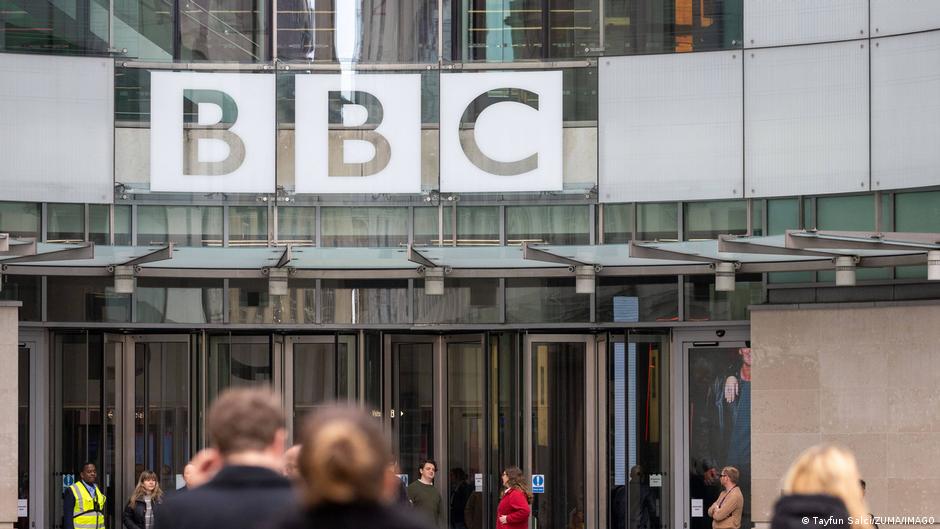
The British Broadcasting Corporation (BBC) is set to reduce its workforce by approximately 10% over the next two years, a move that signals major shifts in the media landscape with direct implications for UK households. The broadcaster plans to cut between 1,800 and 2,000 jobs as part of a strategy to streamline operations and accelerate its digital transformation amid a prolonged industry crisis.
Financial Pressures and Impact on Household Contributions
BBC Director-General Rhodri Talfan Davies has acknowledged that the corporation faces "substantial financial pressure," necessitating operational cost reductions of around £500 million (approximately €575 million), expected mostly by the 2027-2028 fiscal years. Given that the BBC is primarily funded by a television license fee paid by UK households, this financial strain directly affects millions of consumers who contribute to this public service.
Since 2017, the BBC has seen a 24% decline in revenue from the license fee, reflecting changing media consumption habits and the rising cost concerns among households. This revenue drop raises questions about the sustainability of the license fee model and the potential for future increases or reforms that could impact household budgets.
“The BBC must adapt to a rapidly changing media environment marked by technological innovation and shifting consumer habits,” Davies stated, underscoring the link between audience behavior and funding challenges.
For many UK households, the BBC’s financial difficulties and job cuts may translate into changes in service quality, availability of traditional television and radio content, and potentially higher fees in the future, all of which could influence monthly household expenses and savings decisions.
Digital Transformation and Effects on Everyday Media Consumption
To respond to competitive pressures from global streaming platforms like Netflix and Amazon Prime, and the rise of subscription-based online content, the BBC is prioritizing investment in digital platforms. This includes expanding its iPlayer streaming service and developing news applications tailored for online audiences. While this digital pivot aims to align with modern consumer preferences, it also means reducing focus on legacy television and radio channels.
This shift has implications for consumers who are accustomed to traditional broadcast formats and may face changes in access or subscription requirements. Additionally, the workforce reduction reflects evolving skill requirements, possibly affecting the diversity and availability of content that households have come to expect from the BBC.
From a personal finance perspective, the BBC’s transformation is a reminder of how technological innovation can disrupt established public services and influence household spending patterns, both through direct fees and ancillary costs such as internet subscriptions required to access digital content.
Investors and everyday consumers alike should note these broader media trends, as shifts in public funding and audience preferences could impact the valuation of media companies and the stability of public service broadcasters.
Ultimately, the BBC’s job cuts and strategic reorientation illustrate the tension between maintaining public service media and adapting to rapidly evolving digital markets, a challenge that will continue to affect household finances and media consumption habits in the UK.