Paxtakor Football Club Reports Over 50 Billion UZS Loss in 2025, Raising Concerns for Local Budgets
Tashkent’s Paxtakor football club ended 2025 with significant financial losses and tax debts, highlighting challenges for public funding and sports financing in Uzbekistan.
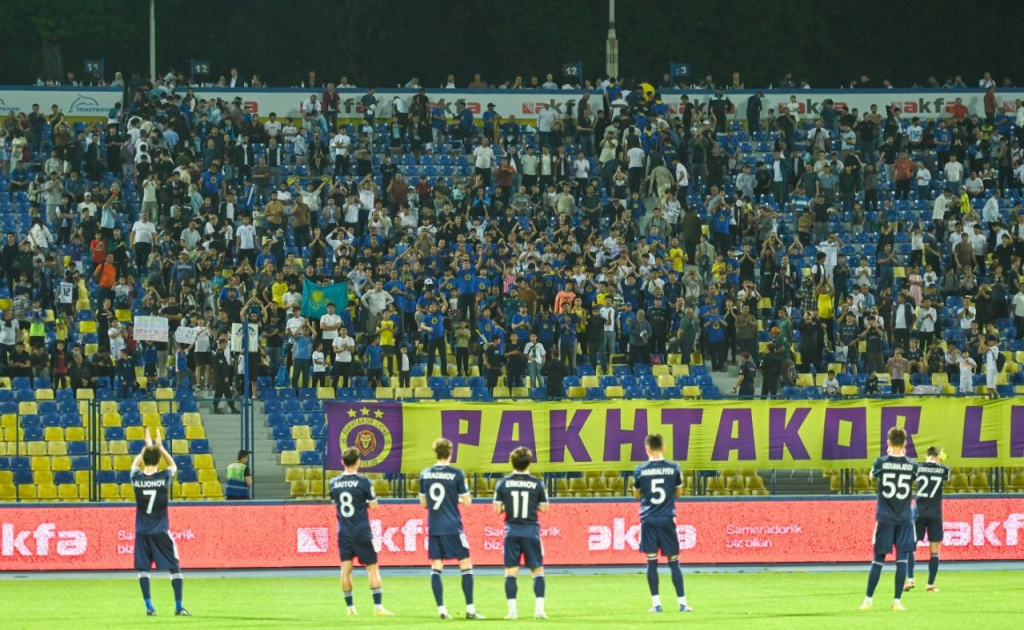
Financial Struggles of Paxtakor Football Club Impact Household Budgets and Sports Funding
Paxtakor, one of Uzbekistan's most prominent football clubs, has reported a loss exceeding 50 billion Uzbek soums (UZS) for the 2025 fiscal year. This substantial deficit reveals increasing financial pressures on sports institutions that could ripple into public finances and household economies.
According to the 2025 financial report, Paxtakor earned around 15.3 billion UZS in direct revenues, with an additional 63.6 billion UZS from other operational incomes. However, total expenditures soared to 128.9 billion UZS, resulting in a net loss of approximately 50.8 billion UZS for the year. This marks a sharp downturn following a profitable 2024, when the club posted a net income of 36.9 billion UZS.
The club’s tax liabilities also paint a worrisome picture. While Paxtakor paid close to 11 billion UZS in taxes in 2025, it still carries a tax debt of 17.1 billion UZS. Such outstanding obligations raise questions about the sustainability of sports entities relying heavily on state support and their impact on government budgets.
"The club’s persistent financial deficits and tax debts underscore the urgent need for sustainable revenue models beyond state funding," an expert in sports finance noted.
Paxtakor finished the 2025 Uzbekistan Super League season in second place with 60 points, having last secured the championship title in 2023. Currently, the club is entirely owned by the Tashkent city government, with its chairmanship held by former city mayor and entrepreneur Jahongir Ortiqxo‘jayev.
The government's role is significant in the club's finances. Early in 2024, the State Assets Management Agency announced plans to put Paxtakor up for sale. However, no official update on the privatization process has emerged since. Ortiqxo‘jayev publicly expressed intentions to develop the club without paying any privatization fee, signaling complex negotiations ahead.
Looking ahead, the Uzbek government plans to provide 35 billion UZS annually in subsidies to each Super League participant starting in 2026. These allocations are set to decrease incrementally, with funding dropping to 30 billion UZS per club in 2027 and 25 billion UZS in 2028. This gradual reduction aims to incentivize clubs like Paxtakor to cultivate independent revenue streams, such as sponsorships, ticket sales, and merchandising.
For everyday consumers and investors, the financial instability of major football clubs may influence local currency dynamics and public spending priorities. Reduced state funding to sports could free resources for other municipal services but also risks diminishing the quality of national sports institutions. Furthermore, clubs seeking private investment could open opportunities for individual investors to participate in the sports economy, albeit with associated risks stemming from existing debts and operational losses.
In summary, Paxtakor’s significant losses highlight broader challenges in balancing state-supported sports financing with sustainable business models. The club’s trajectory will be a bellwether for Uzbekistan’s approach to managing public assets, funding priorities, and the evolving role of private investment in the sports sector.