Drone Attacks in Kyiv Raise New Concerns for Ukrainian Household Budgets and Consumer Confidence
Repeated drone strikes and air raid alerts in Kyiv region threaten economic stability and everyday financial security amid ongoing conflict.
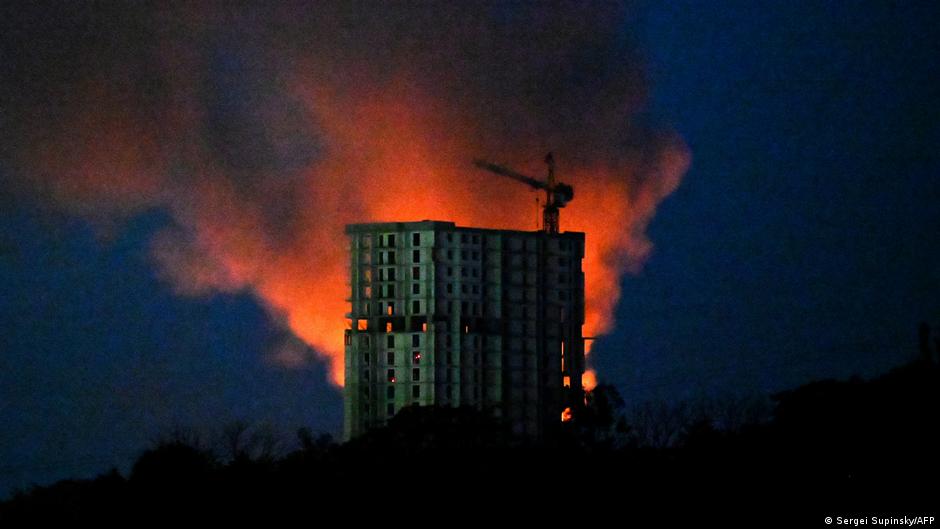
On the night of June 7, residents of Kyiv and surrounding regions experienced multiple air raid alerts due to drone incursions launched from Russian-controlled territories. Unmanned aerial vehicles (UAVs) flew from Chernihiv oblast towards Brovary city in Kyiv oblast, while additional drones approached the capital from the east, according to reports from Ukraine's Air Force.
The heightened aerial threats not only pose significant security challenges but also have tangible impacts on household finances and consumer confidence throughout Ukraine. With repeated alerts and defensive measures in place, daily economic activities face disruption, potentially affecting incomes, savings, and the reliability of local currency.
Impact on Household Budgets and Financial Security
Frequent air raid warnings force businesses to close temporarily and workers to remain at home or in shelters, limiting economic productivity and reducing income opportunities for many families. The constant threat of attacks destabilizes markets and complicates supply chains, particularly in heavily targeted regions such as Chernihiv, Sumy, Kharkiv, and Zaporizhzhia.
"The ongoing drone attacks and missile threats are not only a security issue but also undermine the financial resilience of Ukrainian households," explains a financial analyst monitoring the conflict's economic repercussions.
Moreover, the damage to transportation infrastructure—especially between key hubs like Kharkiv and Sumy—interrupts logistics and inflates costs for essential goods and services. Experts note that Moscow’s strategic targeting of transportation corridors aims to cripple Ukraine’s internal movement of goods, which in turn drives up prices and further erodes purchasing power.
The use of a variety of UAVs, including Shahed, Gerbera, and Italmas drones, along with tactical aviation strikes, has overwhelmed Ukraine’s air defenses, confirming the Russian military's focus on sustained pressure. The Ukrainian forces managed to intercept 249 drones by 8:00 a.m. on June 7, yet 19 drones successfully struck 11 locations, with debris falling in 13 other areas.
These attacks contribute to market volatility and may encourage capital flight or increased demand for foreign currencies as households seek to protect savings from inflation or currency depreciation. Consequently, the national currency faces pressure, risking further erosion of everyday purchasing power.
Broader Economic and Political Context
Beyond immediate financial strain, these attacks occur amid diplomatic efforts to end the conflict. On the evening of June 7, leaders from Germany, France, the United Kingdom, and Ukraine met in London to intensify efforts toward a ceasefire and renewed negotiations with Russia. The outcome of these talks may influence investor confidence and economic stability in the medium term.
Until a resolution is reached, Ukrainian households remain vulnerable to the dual threats of physical danger and economic uncertainty. Financial planners and consumer advocates recommend that individuals diversify savings, monitor currency exposure, and stay informed about security developments to mitigate risks to personal finances during this volatile period.