Drone Attacks on Crimea Raise Concerns Over Energy Infrastructure and Household Impact
Recent drone strikes on Crimea's key energy facilities disrupt local supply stability, potentially affecting household energy costs and regional markets.
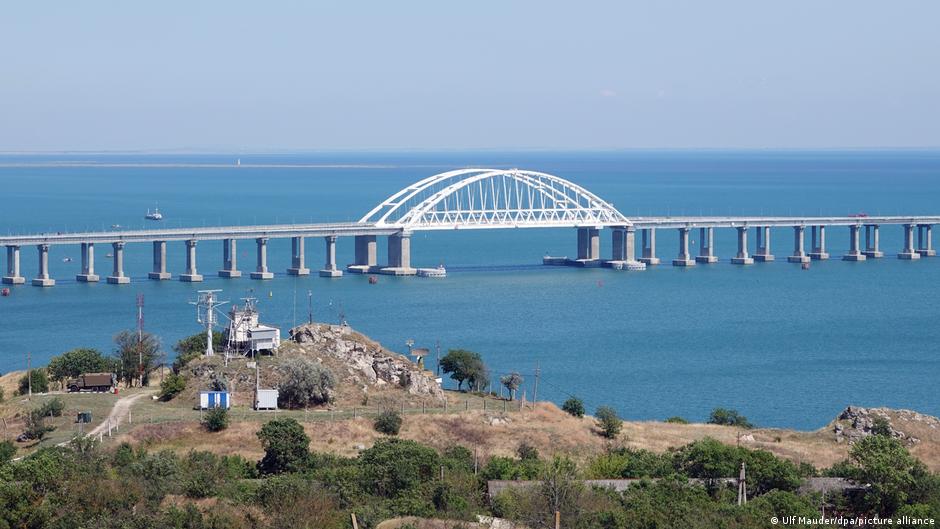
Drone attacks launched by the Ukrainian Armed Forces targeted the Russian-annexed Crimean Peninsula, focusing on critical energy infrastructure and military sites. The assaults, reported on the night of June 20-21, have sparked fires at major oil product storage terminals and power stations, raising alarms about the stability of regional energy supplies and their economic impact on households and consumers.
Impact on Energy Facilities and Regional Supply Chains
According to multiple sources monitoring developments in Crimea, a significant fire broke out at the port of Kerch's "TES-Terminal," a railway complex responsible for the transshipment and storage of oil products and liquefied gases. Additionally, the Port of Kavkaz suffered damage, and there were fires at a gas distribution station and a thermal power station, notably the Tavricheskaya TPP. Several military installations, including a defense object in the Kurortnoye settlement and military unit No. 98546 near Kerch, were also targeted.
These facilities play a pivotal role in supplying energy products to Crimea and adjacent Russian regions, and their disruption threatens the already fragile energy supply networks. The attacks also temporarily suspended vehicle traffic on the Crimean Bridge, a critical transport link, further complicating logistics and supply routes.
"In Sevastopol, defense forces are actively repelling ongoing drone attacks, utilizing air defense and mobile combat units," stated the local appointed governor, emphasizing that several drones were intercepted near Balaklava and Cape Fiolent without reported casualties.
The scale of destruction and operational disruption from these strikes could cascade into broader economic consequences, particularly for household energy availability and pricing.
Financial and Consumer Implications
Energy costs represent a significant portion of household budgets in Crimea and neighboring areas. Destruction of storage terminals and interruptions to fuel supplies may lead to increased prices for heating, electricity, and transport fuels. This can strain family budgets, reduce disposable income, and potentially increase reliance on savings or credit.
Furthermore, the attacks could affect the value and stability of the Russian ruble in the region. Disruptions in energy infrastructure typically raise concerns among investors regarding regional economic stability, possibly impacting everyday investors' portfolios and sparking currency volatility. Households with investments tied to regional markets or energy sectors may face increased uncertainty and risk.
Consumers should monitor energy price trends closely and consider adjusting spending or savings plans accordingly. Additionally, businesses operating in or dependent on Crimea's energy supply chains may need to reassess risk management strategies to mitigate financial impacts.
Outlook and Recommendations for Households
Given the ongoing conflict and potential for further attacks, households in affected regions should prepare for possible fluctuations in energy costs. Budgeting for higher utility bills and exploring energy-saving measures could help manage financial pressures.
Investors with exposure to regional assets should stay informed about geopolitical developments and consider diversification to reduce risk. Keeping abreast of official announcements about infrastructure restoration and energy supply stability will be crucial for making informed financial decisions.
Overall, these events underscore the interconnectedness of geopolitical conflicts and personal finances, highlighting how regional security issues can directly influence everyday economic wellbeing.