Germany Allocates Additional €300 Million for Ammunition Supplies to Ukraine Amid Budget Strains
Berlin’s new €300 million funding for Czech-led ammunition procurement highlights ongoing support but raises questions about European fiscal pressures.
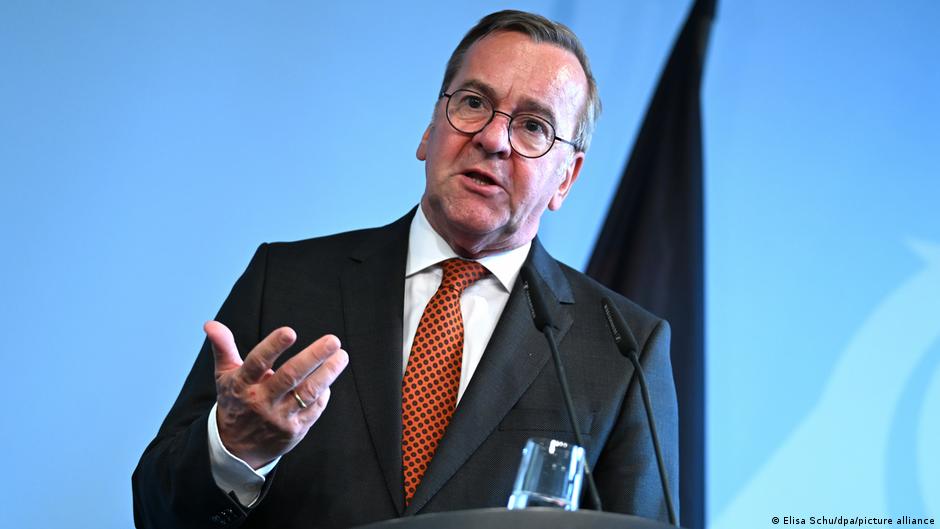
Germany has announced an additional allocation of €300 million to support a Czech-led initiative supplying ammunition to Ukraine’s armed forces. This funding, confirmed by German Defense Minister Boris Pistorius following talks with his Czech counterpart, Jaromír Zuna, is expected to purchase approximately 50,000 ammunition units, underscoring Berlin’s role as the largest donor to this effort.
Impact on European Budget Priorities and Consumer Finances
The German contribution is part of a broader €1 billion commitment for 2025 aimed at equipping Ukrainian forces. While the initiative reflects ongoing political solidarity, the increased defense spending raises concerns about the ripple effects on household budgets and economic conditions in Germany and the European Union.
European governments are balancing complex priorities, and the allocation of significant funds toward military aid inevitably impacts public spending on social programs, infrastructure, and economic support. For consumers, this can translate into adjustments such as higher taxes or constrained government services, potentially influencing disposable income and savings rates.
Moreover, currency markets have shown sensitivity to geopolitical tensions and fiscal policies related to defense expenditures. The euro’s fluctuations affect the purchasing power of consumers and investors alike, particularly those with diversified portfolios involving European assets.
"These funds are crucial for Ukraine’s defense, but they also remind us of the broader economic strain on European households and markets," said an economic analyst.
The Czech ammunition initiative, launched in February 2024 with support from former Prime Minister Petr Fiala, aims to centralize procurement from third countries to streamline supplies to Kyiv. Although political shifts in Prague briefly threatened the program’s continuation, the government ultimately maintained support without direct financial contributions.
Current contracts anticipate deliveries totaling around one million rounds by the end of 2026. Ukraine has already received approximately 500,000 units earlier this year, signaling a steady flow of military resources.
However, a notable reduction in participating donor countries—from 18 in 2025 to nine currently—highlights the challenges of sustaining long-term financial support. Czech President Petr Pavel has indicated that the initiative’s future will be a key topic at the upcoming NATO summit in July in Ankara.
For everyday investors and consumers, the evolving defense budget landscape reinforces the importance of monitoring government fiscal policies and geopolitical developments, as these factors directly influence economic stability, inflation expectations, and currency valuations.
As Europe continues to navigate these complexities, households may need to adapt their financial strategies to mitigate potential impacts on savings, spending power, and investment portfolios.