US House Approves Sanctions on Russia and Aid to Ukraine, Impacting Global Markets and Consumers
New US sanctions and aid measures against Russia may affect household budgets, currency stability, and everyday investors worldwide.
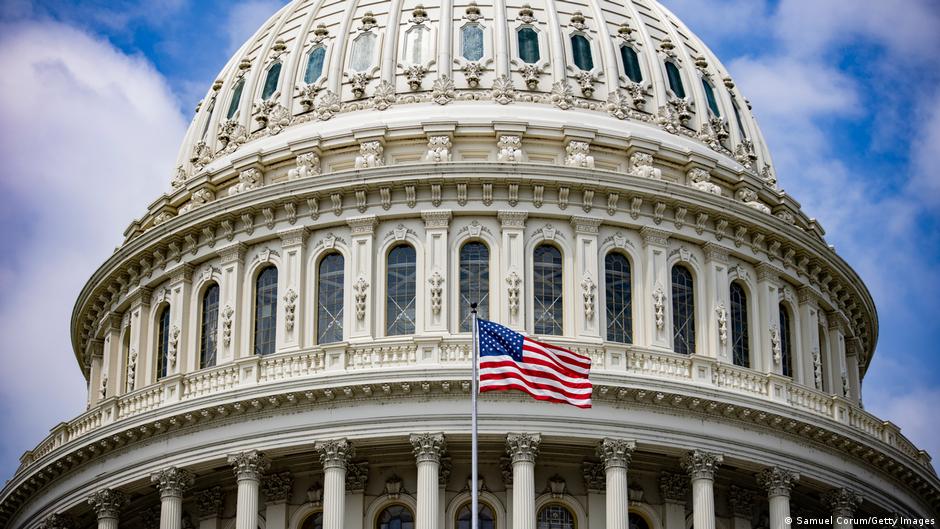
The US House of Representatives has approved a significant legislative package aimed at supporting Ukraine and imposing further sanctions on Russia. The bill includes military aid and enhanced economic pressure, but still requires Senate approval before becoming law.
Implications for Consumers and Investors
The bill, passed on June 5 by a vote of 226 to 195, authorizes the creation of a special fund for Ukraine's reconstruction and extends President Biden's powers to transfer defense equipment to Ukraine and Eastern European countries through lending or leasing arrangements. The Pentagon is granted authority to provide intelligence support to Ukraine through 2027, while the State Department will bolster Baltic nations' military and border security capabilities.
On the sanctions front, the president gains expanded authority to impose additional penalties, freeze assets of Russian individuals and entities, and enforce new export restrictions and tariffs aimed at limiting Moscow's economic capacity to sustain the conflict.
“This legislation signals continued bipartisan US support for Ukraine amid ongoing geopolitical tensions,” noted observers following the House vote.
For average consumers and investors, these developments could translate into increased volatility in currency and commodity markets, particularly energy prices, which are sensitive to geopolitical risks. Households may face pressure through rising inflation or higher costs linked to supply chain disruptions. Investors should also anticipate fluctuations in international equities and currency exchange rates as sanctions and countermeasures evolve.
Furthermore, the provision for enhanced military aid and intelligence support may extend the duration of geopolitical instability, potentially influencing global market confidence and investment strategies.
The next step sees the bill moving to the Senate, where its fate hinges on the political balance and differing views on the scale of foreign assistance. Some Senate Republicans advocate for reduced aid levels, which could reshape the final provisions.
Even if approved by Congress, former President Donald Trump could exercise his veto power upon a potential return to the White House in 2025. His previous administration notably slowed military assistance to Ukraine and emphasized maintaining executive control over sanction-related decisions.
Consumers and investors should thus remain alert to policy shifts and their economic repercussions, as US-Russia dynamics continue to influence global financial landscapes.