Rheinmetall Signs €5.7 Billion Arms Deal with Romania Funded by EU Defense Program
Romania secures extensive military equipment through EU-backed financing, impacting national budgets and investment flows.
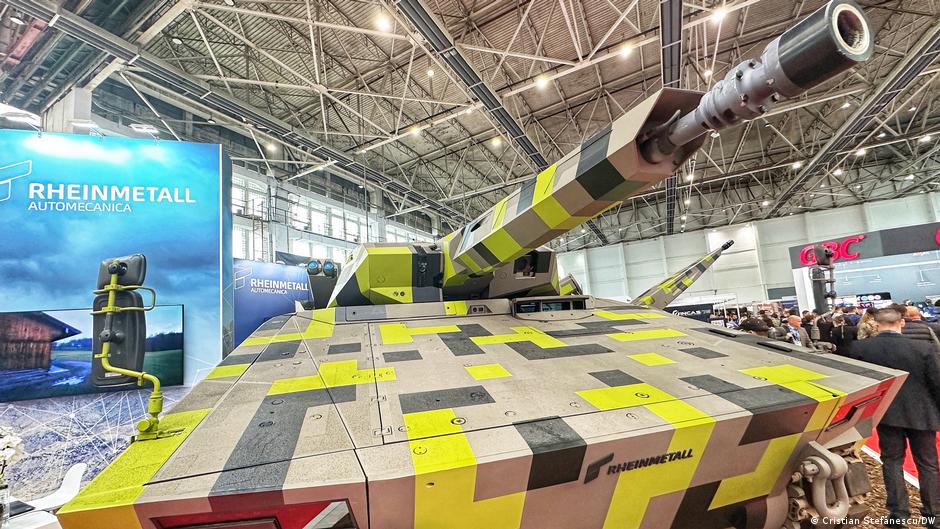
German defense giant Rheinmetall has officially signed a €5.7 billion contract with Romania to supply a broad array of military hardware. This deal, financed through the European Union's new Security Action for Europe (SAFE) fund, marks a significant boost in Romania's defense capabilities and signals important economic implications for households and investors alike.
Details and Economic Impact of the Deal
The contract includes the delivery of 298 Lynx combat vehicles, Skyranger air defense systems, various munitions, and four military vessels, with initial shipments expected to begin in 2028 and conclude by 2030. Rheinmetall plans to invest several hundred million euros to establish manufacturing facilities within Romania, aiming to localize production and create jobs.
From a personal finance perspective, this large-scale defense investment funded by the EU’s SAFE program—allocated €150 billion in concessional loans to member states—could indirectly affect household budgets and savings. Although Romania’s government uses EU program financing rather than direct taxation, the scale of defense spending may influence future fiscal policies, potentially impacting public services or tax structures.
Currency markets may also feel reverberations as such massive contracts can affect foreign exchange flows. The Romanian leu could experience fluctuations due to increased industrial investment and import demands associated with military equipment procurement and local production setup.
"This deal is the largest international order in Rheinmetall’s recent history and represents a historic milestone," said CEO Armin Papperger.
For everyday investors, Rheinmetall’s expanding order book, reportedly up to €16 billion with Romania included alongside Ukraine and Italy, could signal potential growth in defense sector stocks. The planned investment in Romania’s manufacturing base may also open avenues for related industrial sectors, potentially impacting stock valuations and investment portfolios.
The EU’s SAFE initiative was established in May 2025 to strengthen European defense amidst ongoing geopolitical tensions, notably the Russian threat. Its goals include reducing Europe's reliance on US defense capabilities and supporting Ukraine. While primarily a geopolitical and security program, the infusion of €150 billion into defense procurement fundamentally intersects with economic and financial considerations for EU nations, businesses, and citizens.
As this defense contract unfolds, monitoring its broader economic effects—including government spending priorities, investment patterns, currency stability, and stock market trends—will be critical for consumers and investors navigating the evolving fiscal landscape shaped by European security policies.