Drone Attacks in Russia and Ukraine Raise Concerns Over Economic Stability and Household Budgets
Recent drone strikes in Russian and Ukrainian regions highlight risks to local economies, consumer confidence, and personal finances amid ongoing conflict.
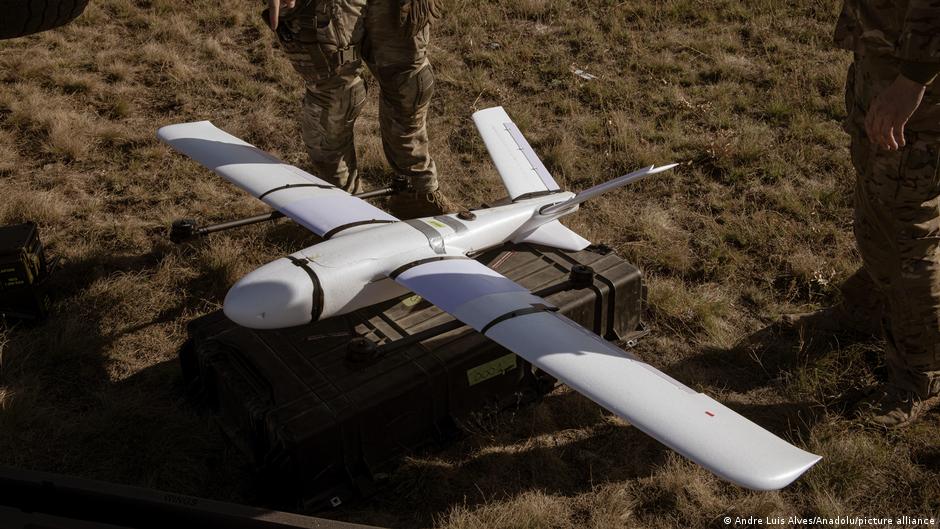
Recent drone attacks by Ukrainian forces on Russian territory, including the Tula region and Reutov near Moscow, have tragically resulted in civilian casualties and raised broader concerns about the economic impact on households and local businesses.
Impact on Local Economies and Consumer Confidence
On the night of June 15, several Russian regions faced drone strikes that damaged private homes and commercial properties. In the Tula region, three people lost their lives and three others, including an infant, were injured. The strikes targeted residential areas in the settlements of Yamny, Maslovo, Mikhalkovo, and Inshinsky, causing significant property damage.
In Reutov, a drone attack ignited a fire in an industrial zone. Initially thought to have targeted a military-industrial enterprise, the drone actually crashed on the premises of "Miritall," a frozen food manufacturer located just 700 meters from the defense plant. Disruptions to such manufacturing facilities can ripple through supply chains and local employment, affecting household incomes and consumer spending.
These attacks come amid ongoing conflicts, with reciprocal strikes by Russian forces hitting Ukrainian cities including Kharkiv and Kyiv, resulting in civilian casualties and widespread infrastructure damage. In Kyiv alone, around 140,000 electricity consumers lost power, and residential buildings were hit, killing at least four people and injuring dozens.
"The targeting of civilian sectors and industrial zones not only causes immediate human suffering but also undermines the economic stability of local communities," financial analyst Elena Petrov commented. "Households may face disruptions in income and increased uncertainty, affecting their savings and spending decisions."
Energy and infrastructure disruptions directly influence household budgets by increasing costs for essentials like electricity and heating. For everyday investors and consumers, heightened geopolitical risks and economic instability can translate into currency volatility and inflationary pressures. This environment may prompt increased caution in spending, saving, and investing behaviors.
Furthermore, damage to industrial enterprises like the frozen food producer in Reutov can lead to supply shortages or price hikes for consumer goods. The strain on local businesses may also reduce employment opportunities, further squeezing household finances.
In the broader context, ongoing hostilities and retaliatory attacks risk deepening economic uncertainty in the region. For consumers and investors, monitoring developments is crucial for managing financial risks and adjusting economic plans accordingly.