Greece Significantly Increases Schengen Visa Denials for Russian Tourists Amid Season Peak
Massive rise in visa refusals disrupts Russian travelers’ plans, impacting household budgets and travel-related finances.
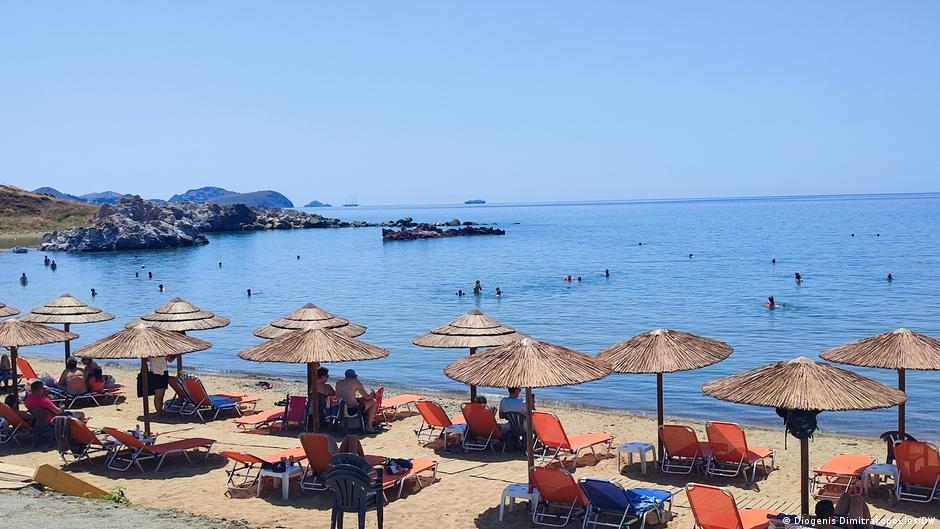
As Greece intensifies restrictions on issuing Schengen visas to Russian citizens, travelers from Russia face unprecedented challenges that ripple through personal finances and tourism-dependent sectors. According to data from the Russian Association of Tour Operators (ATOR), visa denial rates have surged sharply, with some tour operators reporting rejection rates as high as 50% at the peak travel season. Independent applicants fare even worse, with refusal rates reaching nearly 70%.
Impact on Russian Travelers and Household Budgets
Russian tourists who have fully paid for trips and secured confirmed accommodation in Greece are increasingly unable to obtain the necessary visas, creating financial uncertainty and potential losses. This sudden spike in refusals affects a wide range of households that budget annually for summer vacations, often a significant component of family expenditures and savings.
“Direct refusals on this scale have not been observed before,” said a representative from a Russian travel company, highlighting the stark new reality facing Russian tourists.
One notable case involved a Russian applicant with property ownership in Moscow and pristine banking documentation who was denied a visa twice. These experiences underscore that even financially secure applicants with strong ties to home are not exempt from stringent policies.
In 2025, Greece issued approximately 59,000 visas to Russian citizens, with 41.6% being multiple-entry visas. However, the official refusal rate stood at 11.2%, nearly double the average rejection rate of 6.4% across all Schengen countries.
Broader Schengen Visa Trends and Consequences for Consumers
Overall, Russian travelers received over 620,000 Schengen visas in 2025, marking a 10% increase compared to the previous year. The total number of visa applications rose by 8.42%, reaching 674,000. Yet, the issuance of multiple-entry visas plummeted from 57% to 12% within two months following the European Commission’s decision to tighten visa regulations.
Nearly 75% of all Schengen visa applications by Russians were submitted to France, Italy, and Spain, which together issued 68% of all Russian visas. Notably, France increased its issuance to Russian applicants by nearly 30%, while Italy reduced its numbers by 5.8%, and Spain’s figures remained stable.
The European Commission’s November 2025 ban on issuing multiple-entry visas to Russian citizens was implemented due to security concerns linked to the ongoing conflict in Ukraine. ATOR attributes the surge in single-entry visa applications to this policy, explaining that travelers must now apply more frequently, increasing both the financial and administrative burden on individuals and their families.
Consumer Finance Ripples and Currency Considerations
For Russian households, the visa restrictions translate into potential financial losses from non-refundable bookings, last-minute itinerary changes, and increased costs from repeated visa applications. Additionally, currency exchange fluctuations add complexity, as families must often convert rubles to euros or other currencies multiple times, incurring fees and exposure to volatile exchange rates.
Everyday investors and consumers who allocate funds for international travel savings are now forced to reconsider their plans and budget allocations. The intensified visa scrutiny and uncertainty may lead to reduced travel spending, impacting sectors reliant on outbound Russian tourism.
As visa policies evolve, Russian travelers and tour operators alike must navigate a more complex and financially demanding landscape, with broader implications for personal finance, savings strategies, and currency management.