Ukraine’s Loss of Fourth F-16 Fighter Raises Concerns Over Military Costs and Budget Impact
The crash of Ukraine’s fourth F-16 fighter jet underscores growing financial and operational burdens on the country’s defense spending and household economies.
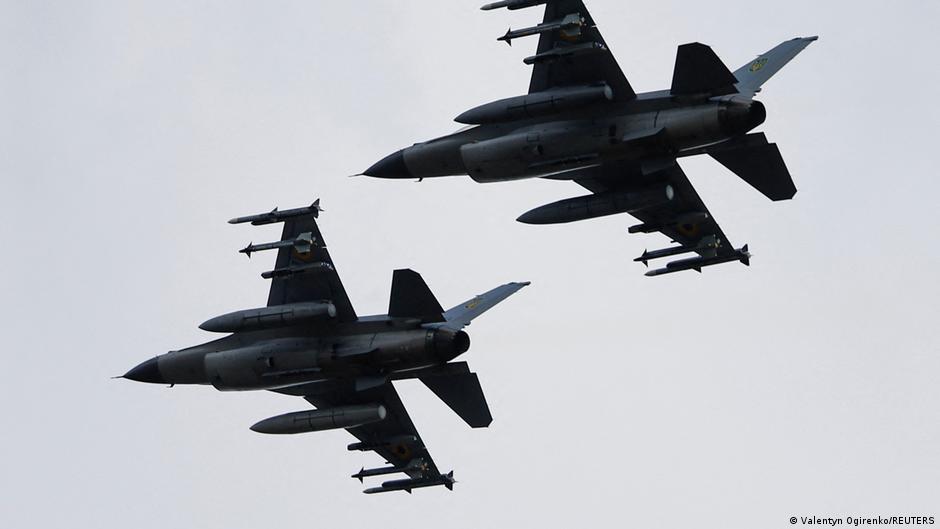
On July 29, 2026, the Ukrainian Air Force lost its fourth F-16 fighter jet amid ongoing military operations. The pilot successfully ejected and survived without life-threatening injuries, but the incident highlights the mounting costs and challenges tied to maintaining a modern air force during conflict.
Impact on Ukraine’s Defense Spending and Household Budgets
The F-16 fighter jets, supplied by a coalition of European nations including Denmark and the Netherlands, represent a significant investment in Ukraine’s aerial defense capabilities. Ukraine received the first batch of 10 jets in August 2024, with plans to acquire 20 more by the end of 2024 and reach a total fleet size of 79 by 2025.
However, the loss of four F-16s over the past two years signals not only operational risks but also growing financial costs. The complex logistics and maintenance of such advanced aircraft place considerable strain on Ukraine’s defense budget, a burden that can ripple into national financial stability and household economies.
Economists warn that sustained military expenditures, especially for costly Western-made equipment, may lead to pressure on public spending priorities, including social services and infrastructure, affecting everyday citizens. Currency volatility and inflation concerns may also arise as defense spending competes with economic development needs.
"Each lost F-16 represents not only a setback on the battlefield but also a substantial financial hit that reverberates through Ukraine’s economy," said a defense finance expert. "This raises questions about sustainable funding and its effects on citizens’ savings and purchasing power."
For ordinary Ukrainians, increased defense spending can translate into higher taxes, reduced social benefits, or inflationary pressures, challenging household budgets already strained by conflict and economic instability. Furthermore, currency fluctuations influenced by war financing can erode savings and complicate personal financial planning.
Operational Challenges and Future Outlook
Since receiving the jets, Ukraine has experienced multiple losses: the first F-16 was shot down during a major Russian missile attack in August 2024, resulting in the pilot’s death. Subsequent accidents in April and May 2025 further reduced the fleet. The latest crash in July 2026 occurred during an interception mission, with investigations ongoing.
While the Ukrainian government and military emphasize the critical role of F-16s in air defense, the cumulative losses raise concerns over pilot training, maintenance, and the sustainability of operating such advanced technology under wartime conditions.
These setbacks may influence future decisions on military procurement and defense budgeting, with potential implications for Ukraine’s broader economic and fiscal health.
As the conflict continues, balancing defense needs with economic stability remains a critical challenge for Ukraine. The financial implications of maintaining advanced military equipment like the F-16 highlight the interconnectedness of defense strategy and household financial well-being.