Russian Missile and Drone Attacks on Ukraine Raise Concerns for Household Budgets and Financial Stability
Recent missile strikes across Ukrainian cities threaten not only lives but also household financial security amid ongoing conflict.
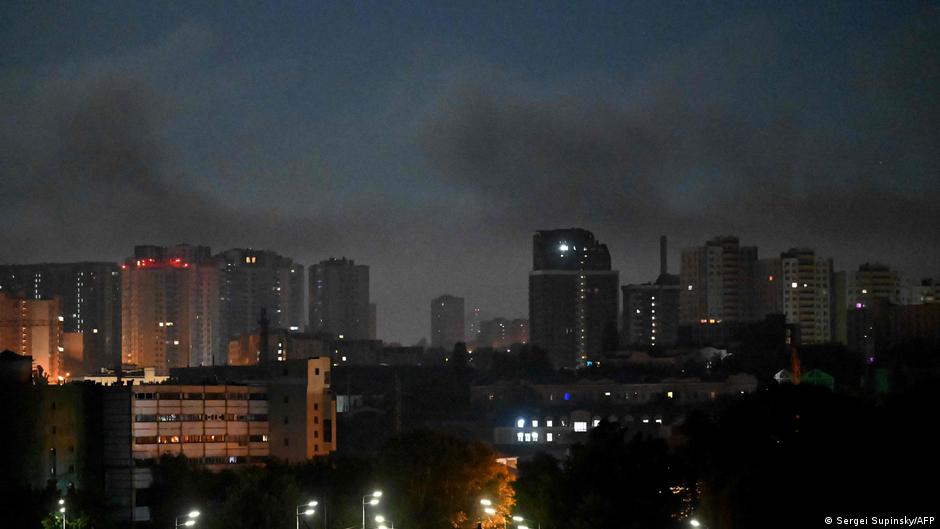
On the night of July 30, Russian forces launched a series of missile and drone attacks targeting multiple cities across Ukraine, resulting in tragic loss of life and widespread property damage. These attacks have profound implications not only for immediate safety but also for the financial well-being of Ukrainian households, potentially destabilizing savings, local currencies, and the broader consumer market.
Impact on Households and Consumer Budgets
In a suburb of Kryvyi Rih, a ballistic missile strike destroyed a private home, killing a large family including children aged 5 and 12. Several others were injured, and emergency operations continue to clear rubble. Damage in other urban centers includes destroyed residential buildings in Lviv and industrial zones targeted in Kharkiv. Explosions were also reported in Vinnytsia, Cherkasy, Sumy, and Ivano-Frankivsk regions.
Beyond the immediate tragedy, these attacks disrupt daily life and strain household budgets. Families face costs from property damage, medical expenses, and lost income due to displacement or unsafe work environments. The destruction of homes and infrastructure also drives up demand for repairs and replacements, increasing consumer prices and inflationary pressures on essential goods and services.
“The number of victims may increase as rescue operations continue, highlighting the ongoing human and economic toll of these strikes.”
Ukrainian President Volodymyr Zelensky emphasized the likelihood of massed airstrikes, underscoring the urgency of fortifying air defenses. He called on international partners, particularly the United States, to provide advanced missile defense systems such as the Patriot missile batteries. This defense support is critical to protecting civilians and by extension, the economic stability of households facing uncertainty.
Currency and Investment Implications
Continued Russian attacks can heighten volatility in the Ukrainian hryvnia, complicating financial planning for everyday investors and savers. Currency volatility often leads to increased inflation, eroding the purchasing power of wages and savings. As households scramble to safeguard assets, there may be heightened demand for foreign currency and tangible assets, which could further destabilize the local economy.
For individuals investing in local markets, the conflict introduces significant risk. Infrastructure damage disrupts supply chains and business operations, while uncertain security conditions dampen consumer confidence. Households dependent on investment income or savings may face diminished returns or loss of capital, affecting long-term financial security.
Looking Ahead: The Role of International Support
The conflict highlights the critical role of international military and financial assistance in stabilizing Ukraine's security and economy. Effective air defense reduces civilian casualties and infrastructure destruction, thereby limiting financial shocks to households. Financial aid focused on reconstruction and economic resilience can mitigate inflationary pressures and support consumer confidence.
As the situation evolves, Ukrainian households must navigate an increasingly complex landscape where physical security and financial security are deeply intertwined. Careful management of savings, diversification of assets, and prudent budgeting will be essential strategies for consumers facing the dual challenges of conflict and economic uncertainty.