US to Cut NATO Fighter Jets and Naval Assets, Impacting European Defense Commitments
Washington plans to reduce its military aircraft and naval presence in Europe, potentially affecting NATO operations and defense budgets.
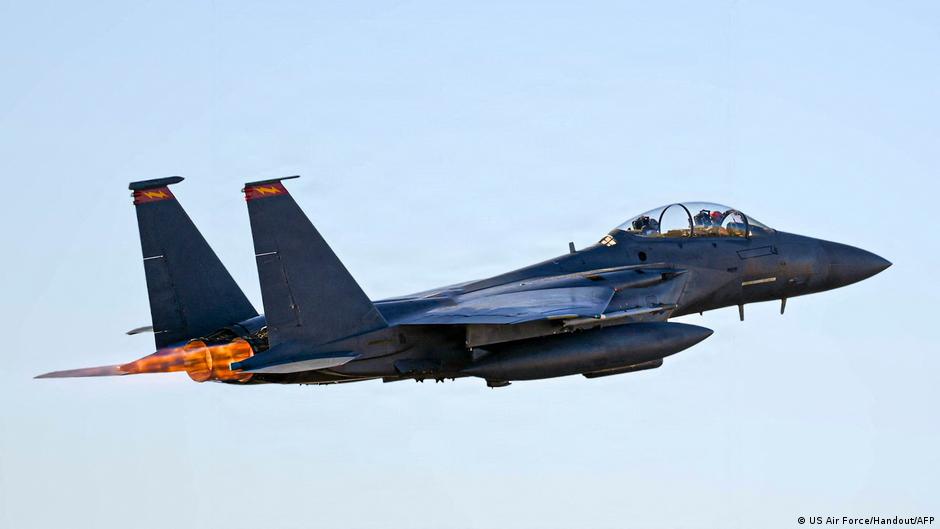
The United States is set to significantly reduce its provision of combat aircraft and naval vessels to NATO operations in Europe, a move that may have far-reaching implications for household budgets, currency stability, and everyday investors concerned with defense expenditures and geopolitical risk.
Reduction of Key Military Assets and Its Broader Implications
According to reports referencing senior European officials, Washington intends to cut the number of fighter jets supplied to NATO by about one-third. Specifically, the number of F-16 and F-15E fighter jets currently around 150 will be reduced to approximately 100. Additionally, the number of maritime reconnaissance aircraft will decrease from 26 to 15. The U.S. will also withdraw all eight aerial refueling aircraft and reposition a ballistic missile submarine, an aircraft carrier, multiple warships, and dozens of aircraft involved in carrier missions.
This strategic realignment, revealed to European partners earlier in June through confidential documents, aims to shift U.S. military focus towards the Indo-Pacific region. However, this shift will constrain NATO's ability to conduct long-range strikes and surveillance operations in Europe, potentially impacting the security environment and defense spending priorities within member states.
"This decision will limit NATO's capacity to deliver long-range strikes and conduct surveillance," one official noted, highlighting the operational challenges ahead.
The announcement has come as a surprise to European allies, with the drawdown expected to begin imminently—much sooner than anticipated. This rapid transition may require European nations to reconsider their defense budgets and strategies as they contemplate compensating for the reduced American military footprint.
Currently, the U.S. accounts for roughly half of NATO's military capabilities. As its presence contracts, European countries are expected to propose adjustments at the upcoming Force Sourcing Conference to fill the operational gaps left by American forces.
Economic and Consumer Impacts
The military realignment bears several consequences for household finances and everyday investors. Firstly, European defense budgets may face upward pressure as national governments seek to bolster their own military capabilities in response to the reduced U.S. support. Increased defense spending can influence government borrowing, taxation policies, and ultimately household disposable income.
Secondly, currency markets might experience volatility as geopolitical uncertainties rise. Investors often respond to shifts in defense postures and alliance commitments by re-evaluating risk exposures, which can lead to fluctuations in the euro and other European currencies against the dollar. Such movements affect import prices, inflation, and savings returns for consumers.
Finally, the defense sector itself, including manufacturers of aircraft, naval vessels, and related technologies, may see changes in demand patterns. Investors holding shares in these industries should monitor these developments closely, as contract volumes and government orders could be impacted by the strategic repositioning.
In May, the Pentagon also announced the withdrawal of one of four U.S. brigade combat teams stationed in Europe, reducing the American troop presence to levels last seen in 2021. Each brigade combat team comprises 4,000 to 5,000 soldiers, representing a significant shift in on-the-ground force allocation.
With around 100,000 U.S. troops previously deployed in Europe, including 65,000 permanent personnel, this drawdown marks a notable change in the transatlantic security landscape, a factor that may indirectly influence consumer confidence and investment decisions across allied economies.
As the U.S. refocuses its military resources, European nations, consumers, and investors will need to adapt to the evolving geopolitical and economic environment, balancing defense imperatives with fiscal realities in the years ahead.