US Senate Prepares to Vote on Expanded Russia Sanctions Amid Zelensky Visit
President Zelensky’s Washington visit coincides with Senate talks on sanctions impacting household finances and investment climates.
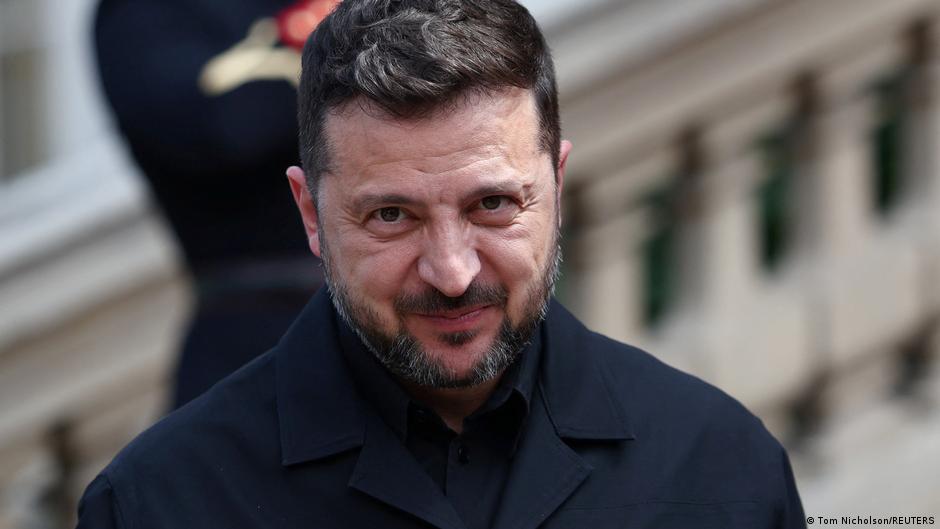
Ukrainian President Volodymyr Zelensky is set to visit Washington, D.C., to attend the funeral of Republican Senator Lindsey Graham and to meet all 100 members of the U.S. Senate. This visit arrives at a pivotal moment as the Senate is expected to begin voting on a new bill aimed at intensifying sanctions against Russia. The legislative move, which Senator Graham helped develop before his recent passing, signals significant geopolitical shifts with direct implications for American households and investors.
Sanctions Expansion and Its Financial Impact on American Consumers
The pending sanctions legislation against Russia, supported by President Donald Trump, proposes tighter restrictions designed to increase economic pressure. Trump has also advocated for broadening the bill to include sanctions against Iran and the Lebanese Shiite group Hezbollah. While aimed at geopolitical objectives, these sanctions could ripple through global markets, affecting currency valuations, commodity prices, and ultimately the wallets of everyday Americans.
Sanctions tend to disrupt trade flows, influence energy prices, and create volatility in currency markets. Consumers may experience higher costs for goods reliant on international supply chains or energy imports. Investors, particularly those holding assets in affected sectors or emerging markets, could face increased uncertainty and risk.
"Now is the time to end the war," a White House representative stated, highlighting the urgency behind the discussions.
President Zelensky's meetings, including a planned session with President Trump and Israeli Prime Minister Benjamin Netanyahu, will also address broader regional conflicts and peace negotiations. These talks touch on efforts to stabilize markets by resolving ongoing geopolitical tensions that influence global economic conditions.
For household budgets, the outcome of such diplomatic and legislative activities can translate to fluctuating fuel prices, shifts in investment returns, and changes in foreign exchange rates. Consumers and investors should remain alert to how sanctions-related policies might affect inflation and financial planning strategies.
Moreover, the engagement of U.S. lawmakers with international leaders underscores the interconnectedness of political decisions and personal finance outcomes. As sanctions become more stringent, individuals might consider reviewing their portfolios to mitigate risks associated with geopolitical instability.
In summary, while President Zelensky's visit centers on diplomatic and memorial obligations, it coincides with critical U.S. legislative actions that carry tangible consequences for everyday finances—from household costs to investment landscapes.