Radicalization Threats in Germany Pose Growing Risks for Households and Investors
Germany registers 410 individuals linked to Islamist extremism, raising concerns over security and economic stability affecting families and markets.
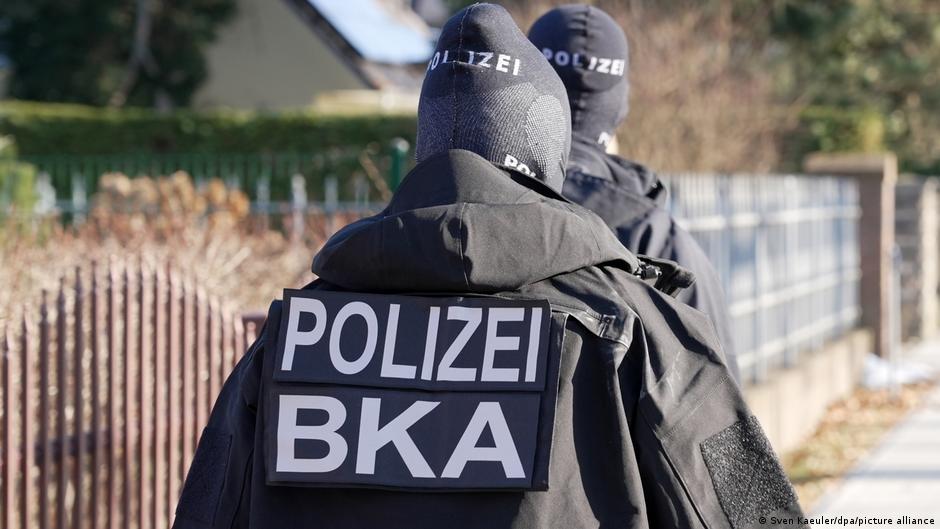
Germany's increasing number of individuals classified as threats due to Islamist extremism is creating ripples beyond security concerns, impacting household budgets, consumer confidence, and the broader economic environment. According to federal authorities, 410 people in Germany are currently identified as posing threats linked to Islamist activities, a figure that highlights the persistent challenge of radicalization and its wider effects on society and the economy.
Impact on Household Financial Security and Consumer Confidence
The Federal Criminal Police Office (Bundeskriminalamt, BKA) reported on July 28 that 410 individuals are deemed capable of committing serious violent crimes, including terrorism. This environment of heightened security risks influences consumer behavior and spending patterns, as families prioritize safety and often face additional costs related to security measures or insurance.
Moreover, the psychological impact of terrorism-related threats can reduce consumer confidence, leading to more cautious spending, which in turn affects retail sectors and small businesses. Public events, such as festivals and parades, may experience reduced attendance, directly impacting local economies and household incomes dependent on these activities.
"The persistent threat of radicalization necessitates ongoing vigilance and intervention, not only to protect public safety but also to maintain economic stability for everyday citizens and investors alike," a security expert remarked.
The case of Abdul B., a 21-year-old German citizen of Lebanese descent, exemplifies how radicalization can translate into tragic events with wide-reaching implications. After being released from detention despite suspicions of planning a terrorist attack, Abdul B. carried out a vehicle attack on participants of the Berlin LGBT Pride parade in July 2026. The attack resulted in one death and multiple injuries, highlighting failures in monitoring and intervention that can jeopardize public safety and investor confidence.
Financial and Social Costs of Radicalization and Extremism
The federal government’s efforts to monitor and deradicalize individuals remain critical but resource-intensive. The Federal Office for Migration and Refugees (BAMF) recorded 165 consultations in the first half of 2026, reflecting sustained demand for interventions to prevent extremist violence. These efforts, while necessary, contribute to increased public spending, which could impact taxation and government budgets.
Families dealing with potential radicalization cases face significant emotional and financial strain, with parents constituting the largest group seeking counseling. The average age of individuals at risk is under 19, indicating a need for early intervention programs that require funding and community support.
From a currency and investment perspective, heightened security risks can cause market volatility, particularly in sectors related to tourism, retail, and public transportation. Investors may respond to perceived instability with caution, potentially affecting stock market performance and currency exchange rates.
Authorities and experts have called for improved monitoring and deradicalization programs, starting during incarceration and continuing post-release, to mitigate risks more effectively. The criticism of judicial decisions allowing conditional sentences for high-risk individuals underscores the importance of a balanced approach between civil liberties and security measures to protect economic interests and public welfare.
Looking Ahead: The Need for Integrated Responses
As Germany grapples with the challenges posed by extremist threats, the interplay between security, social cohesion, and economic stability becomes increasingly evident. For households and everyday investors, the implications extend beyond immediate safety concerns to touch on savings, spending habits, and long-term financial planning.
Strengthening community-based prevention programs and ensuring robust government responses will be essential steps to safeguard not only lives but also economic confidence and consumer markets. The ongoing efforts to reduce radicalization represent a crucial investment in Germany's social and financial future.