Escalating Israel-Iran Conflict Raises Concerns for Global Markets and Household Budgets
Recent Israeli airstrikes in Iran and Iranian missile attacks on Israel threaten economic stability and impact currencies, savings, and investments worldwide.
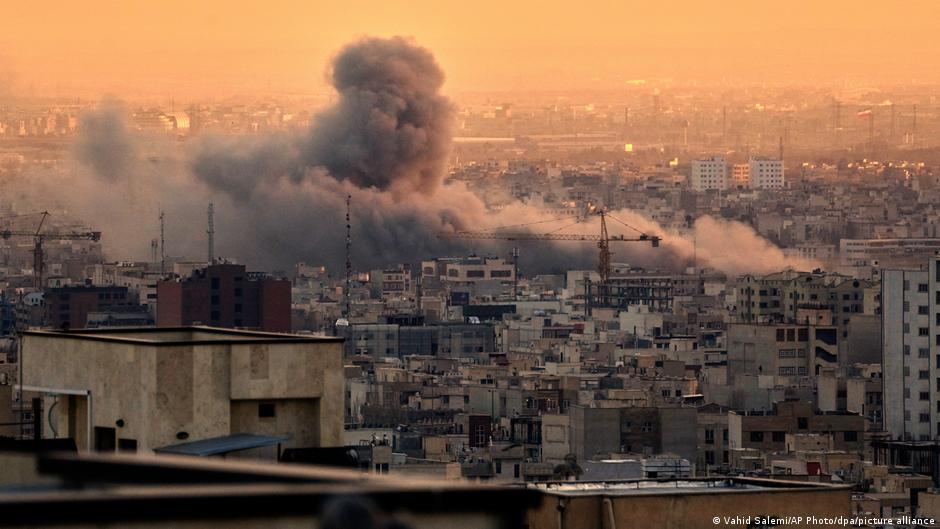
Recent military escalations between Israel and Iran are not only raising geopolitical tensions but also stirring concerns about their potential impact on global financial markets, household budgets, and everyday investors. After Iran launched missile attacks on Israeli territory, the Israeli Defense Forces (IDF) retaliated with airstrikes targeting locations in western and central Iran. While the precise targets remain undisclosed, the conflict's ripple effects are increasingly evident in economic spheres.
Economic Implications of the Israel-Iran Conflict
Financial markets are highly sensitive to geopolitical instability, especially in the volatile Middle East region, which is a critical hub for global energy supplies. The recent exchanges have prompted uncertainty in oil prices, foreign exchange rates, and investment risk appetites.
Household budgets can feel the strain as rising oil prices often translate into higher fuel and energy costs. This, in turn, can lead to increased prices for transportation, goods, and services, squeezing consumer spending power. For families and individuals, this means tighter budgets and less opportunity to save or invest.
Currency markets, particularly the U.S. dollar, Israeli shekel, and Iranian rial, are subject to fluctuations amid such conflicts. For example, the Israeli shekel may experience volatility, affecting import prices and local purchasing power. Meanwhile, the Iranian rial's value can be further destabilized by military conflict and sanctions, impacting everyday Iranians’ ability to afford essential goods.
"The ongoing conflict not only threatens regional security but also creates financial uncertainty that can impact everyday consumers and investors worldwide," says a market analyst.
For everyday investors, the conflict introduces risk factors that may influence portfolio performance. Stocks in affected regions can become unpredictable, and global investors might shift assets toward safer havens like gold or government bonds. Additionally, long-term investment plans could require adjustment due to changing economic conditions driven by prolonged instability.
Potential for Diplomatic Resolution and Market Stability
Amid rising tensions, U.S. President Donald Trump has expressed intentions to negotiate a peace agreement with Tehran. Such diplomatic efforts could help stabilize markets and reduce economic uncertainty. However, these talks remain tentative, with key issues like Iran’s nuclear ambitions still unresolved.
Until a lasting agreement is reached, consumers and investors should remain vigilant. Monitoring geopolitical developments can help in making informed financial decisions, whether that means adjusting savings strategies, reevaluating currency exposure, or managing investment risks.
In summary, while the Israel-Iran conflict unfolds on the political stage, its economic implications ripple through global markets, household budgets, and personal finances, underscoring the importance of proactive financial planning in uncertain times.