Middle East Conflict Escalation Poses Risks to Global Markets and Household Finances
Recent Israeli strikes on Lebanon and ensuing tensions threaten currency stability and investor confidence worldwide.
The recent escalation of conflict between Israel and Lebanon has reverberated beyond geopolitical spheres, raising concerns about its potential impact on personal finances, household budgets, and global investment markets.
How the Conflict Influences Financial Stability
On June 1, Israeli Defense Forces launched strikes on southern suburbs of Beirut amid escalating conflict with the militant group Hezbollah, supported by Iran. This military action followed an expansion of ground operations in Lebanon after Hezbollah targeted northern regions of Israel.
"The surge in military activity threatens to disrupt economic stability by unsettling regional currencies and undermining investors' confidence," financial analysts warn.
These developments have prompted concerns over the stability of regional currencies, such as the Israeli shekel and Lebanese pound, which can directly impact the purchasing power of ordinary households. A weakening currency often translates into higher prices for imported goods, inflationary pressures, and eroding savings, hitting household budgets hard.
Additionally, the situation has introduced volatility into global markets. Investors tend to seek safer assets during geopolitical uncertainty, leading to fluctuations in exchange rates and stock indices. This volatility can affect everyday investors, including those with retirement accounts or personal investment portfolios exposed to these markets.
Moreover, the conflict's impact extends to the price of commodities like oil, which can indirectly influence household expenses through increased fuel and transportation costs.
Diplomatic Tensions and Their Economic Repercussions
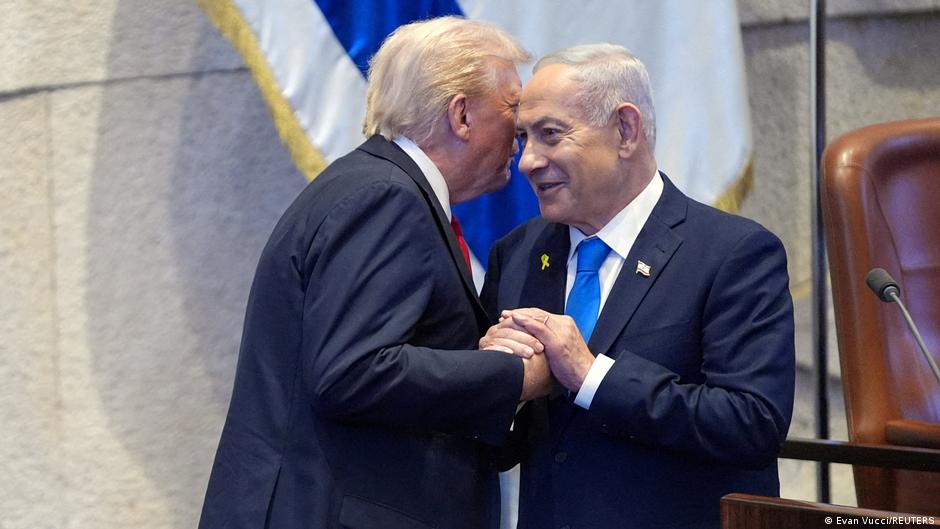
Diplomatic efforts have been strained, with US President Donald Trump reportedly expressing frustration towards Israeli leadership over the breakdown of ceasefire agreements. The United States has played a key role in mediating talks between Israel, Lebanon, and Iran to stabilize the region.
Negotiations brokered by the US seek to halt the exchange of hostilities, which is vital not only for regional peace but also for restoring economic stability. The ongoing conflict undermines these talks, increasing the risk of prolonged unrest that could further unsettle markets.
For households, sustained instability can mean continued inflationary pressures and unpredictable shifts in currency values. For everyday investors, it raises the stakes for portfolio management, emphasizing the importance of risk diversification amid geopolitical uncertainty.
Financial advisors recommend that individuals monitor developments closely and consider the potential impacts on their savings and expenses. Maintaining an emergency fund, reviewing investment allocations, and avoiding panic-driven financial decisions are prudent strategies during such periods.
In summary, while the geopolitical conflict is primarily a matter of international security, its ripples extend into the economic lives of individuals worldwide. The interplay between military actions, diplomatic efforts, and market reactions underscores the complex ways global events influence household finances and investment landscapes.