US Strikes on Iran Raise Oil Price Risks, Impacting Household Budgets and Savings
Renewed US-Iran conflict near Strait of Hormuz threatens energy prices, currency stability, and personal finances worldwide.
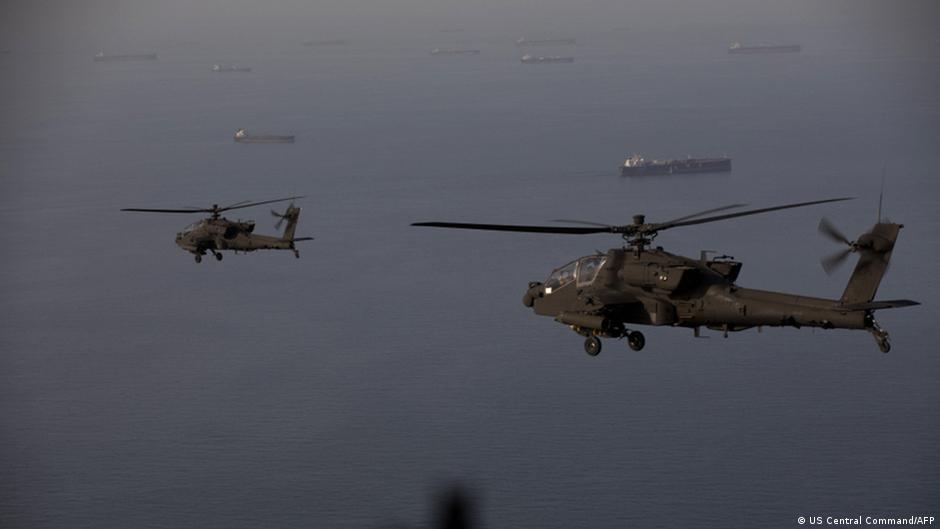
The recent US military strikes on Iranian targets following the downing of an American Apache helicopter near the Strait of Hormuz have escalated tensions in the critical oil transit region. This development carries significant implications for global energy prices, currencies, and everyday consumers' household budgets.
Potential Impact on Oil Prices and Consumer Spending
The Strait of Hormuz is a strategic chokepoint through which approximately 20% of the world's petroleum passes. Military action in this area often triggers volatility in oil markets, causing prices to spike due to concerns over supply disruptions. Higher oil prices translate directly into increased costs for gasoline, heating, and transportation, placing additional strain on household budgets globally.
"This operation is a proportional response to unprovoked Iranian aggression," stated the US Central Command, emphasizing the ongoing risk of further conflict escalation.
For consumers, rising fuel prices can lead to higher prices on goods and services, as transportation and manufacturing costs increase. This effect can erode savings and reduce discretionary spending, particularly impacting middle- and low-income households.
Currency Fluctuations and Investment Considerations
Geopolitical uncertainty often triggers volatility in currency markets. The US dollar may strengthen temporarily due to its safe-haven status, while emerging market and regional currencies, including the Iranian rial, remain vulnerable to sharp depreciation. Currency instability complicates financial planning and may affect inflation levels, further squeezing household finances.
Additionally, everyday investors should monitor these developments, as stock markets can react negatively to heightened geopolitical risks. Sectors linked to energy, defense, and commodities may experience increased volatility, requiring caution in portfolio management.
U.S. President Donald Trump framed the military strikes as a necessary and powerful response to the helicopter incident, reinforcing the administration's tough stance on Iran. Meanwhile, Iranian officials have vowed retaliatory measures, suggesting a protracted period of instability in the region.
While diplomatic efforts for a peace agreement remain ongoing, the immediate consequences for consumers and investors include potential spikes in energy costs and market uncertainty. Households should consider budgeting for possible increases in fuel and utility expenses, and investors may need to reassess risk exposure amid heightened geopolitical tensions.
As the situation unfolds, monitoring energy prices, currency movements, and market responses will be essential for managing personal finances effectively in the face of international conflict.